Only 1 in 10 people survive cardiac arrest. Here’s how to help if you’re a bystander.
In the Philadelphia region, only 26% of people suffering cardiac arrest receive bystander intervention.
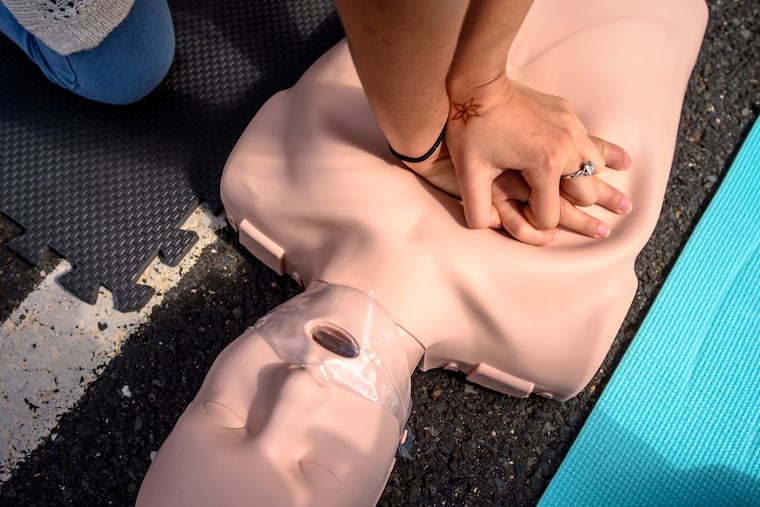
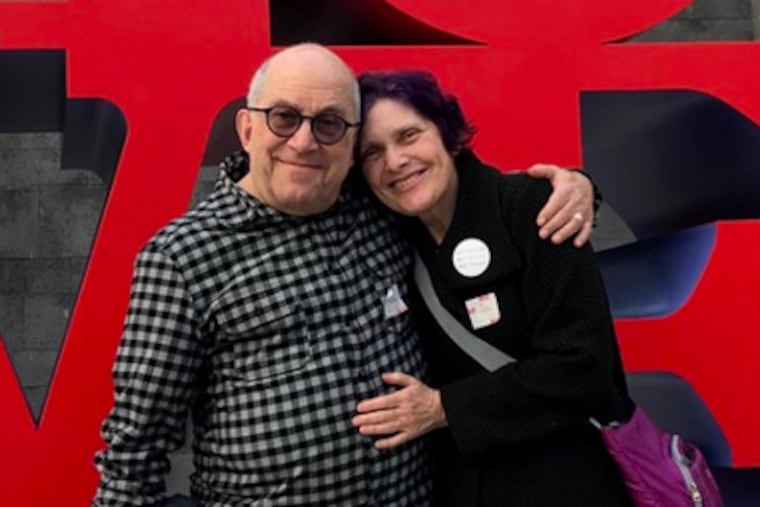
When Bob Borzillo collapsed a few months ago, he could have become a statistic: More than 350,000 people go into cardiac arrest each year, with a 90% fatality rate. But his wife’s quick response — and a calm 911 dispatcher — saved his life.
Bystanders could do this too, advocates say.
But in the Philadelphia region, only 26% of people suffering cardiac arrest receive bystander intervention, said Jeffrey Salvatore, the vice president of community impact for the American Heart Association of Greater Philadelphia. That’s much lower than the national average of 40%.
Though often used interchangeably, a heart attack and a cardiac arrest are not the same, and they warrant (slightly) different responses.
A heart attack is a “plumbing issue,” where there’s some blockage in the arteries that supply blood to the heart, Salvatore said.
But a cardiac arrest is an “electrical problem;” the heart pumps through an electrical system, and when something misfires or stops, that’s when a cardiac arrest occurs. It necessitates CPR.
“When the heart stops doing its job, we have to take over, and that’s when CPR comes into play,” he said.
That’s what happened to Borzillo.
» READ MORE: A Chesco man’s heart stopped. His wife’s fast response — and a steady 911 dispatcher — saved him.
Someone in cardiac arrest is unresponsive, and requires immediate intervention to prevent death.
You can check for unresponsiveness by tapping someone on the shoulder, rubbing their chest, or yelling loudly. If they don’t respond, call 911, and begin hands-only CPR, pressing hard and fast in the center of the chest.
In many cases, 911 operators have been trained to walk callers through delivering CPR.
A heart attack can lead to cardiac arrest, but it can also happen separately, and never result in the heart stopping, Salvatore said.
If someone is exhibiting signs of a heart attack — chest discomfort; or discomfort in other areas of the upper body, such as arms, back, neck, jaw and stomach; shortness of breath; cold sweats; light-headedness; rapid or irregular heartbeat — call 911, Salvatore said.
The American Heart Association is seeking to expand training in hands-only CPR for adults and teens, to increase low bystander-intervention rates.
Just doing chest compressions — no mouth-to-mouth contact required — and calling 911 can double someone’s chance of survival, Salvatore said.
“They are the first responder before EMS gets to the scene,” he said.
For more information, or to get CPR certified, you can go to cpr.heart.org