Former CHOP patient suing over transgender care draws attention of Trump DOJ
The DOJ recently reached out to a lawyer representing a client suing CHOP to ask if he would be a witness in its investigation into gender-affirming care.
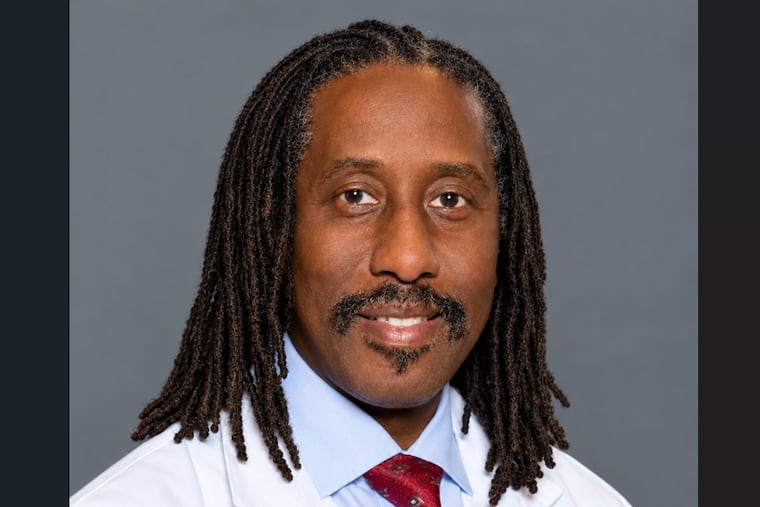
Earlier this year, Miles Shore filed a lawsuit claiming he suffered irreversible harm after receiving gender-affirming care at Children’s Hospital of Philadelphia roughly a decade ago.
Then his lawyer received an email from the U.S. Department of Justice.
The feds wanted to know if Shore would be a potential witness in its investigation into how CHOP’s medical providers are prescribing puberty blockers and hormones.
“It was two or three sentences, basically saying, ‘Would Miles be willing to undergo an interview with us in connection with an investigation we’re pursuing relating to these types of treatments?’” the lawyer, Tim Wojton, said earlier this month.
The DOJ says it is investigating off-label medication use and possible fraudulent billing by doctors. Advocates of transgender youth say the investigation is a pretext to fulfill President Donald Trump’s mandate to prohibit gender-affirming treatment for children and teens.
Shore could be a crucial witness to reinvigorate the DOJ’s unsuccessful attempts to force CHOP to hand over private patient records, legal experts said.
“His evidence would be extremely important,” said Bennett Gershman, a law professor at Pace University in New York. “If he’s claiming that they engaged in some kind of misconduct causing him serious harm, he would be a key witness for the government.”
Shore, now 28, filed a medical malpractice lawsuit in February in Philadelphia Common Pleas Court that says CHOP providers failed to treat his underlying medical conditions before “enthusiastically and somewhat aggressively” pushing him to take “experimental and harmful cross-sex hormones” beginning at age 17.
CHOP was one of 19 children’s hospitals and medical providers nationwide to receive from the DOJ last year an administrative, or civil, subpoena seeking detailed patient records.
CHOP successfully petitioned a U.S. District Court judge in Philadelphia to protect their patients’ privacy and block the DOJ from getting their medical records.
The DOJ appealed, only to unexpectedly drop its appeal earlier this month.
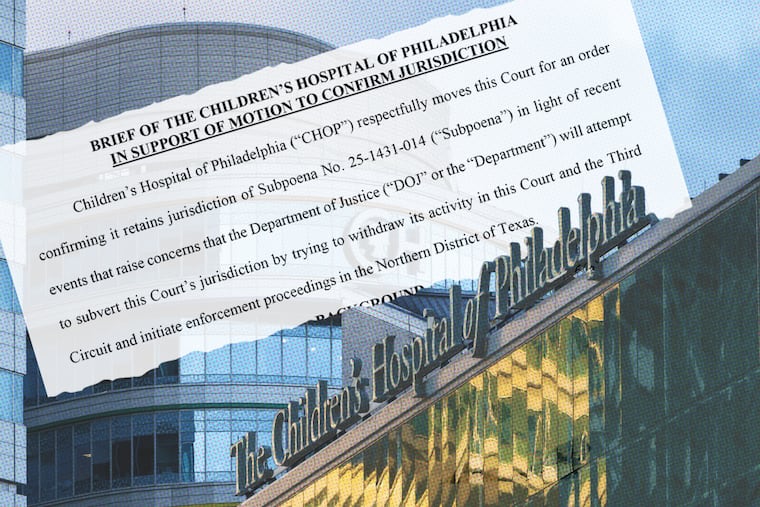
On the surface, it seemed a win for CHOP. But the hospital’s lawyers asked a federal court to keep its case in Philadelphia to prevent the DOJ from potentially “forum shopping,” raising concerns in a recent filing that the DOJ was planning an “end-run” to get before more conservative U.S. judges in Texas.
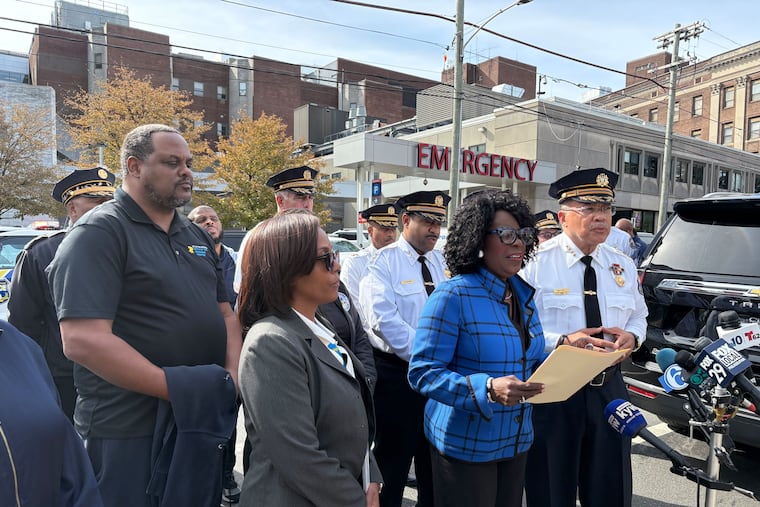
In recent weeks, two East Coast hospitals — one in New York, another in Rhode Island — are having to answer to federal judges and a grand jury in Fort Worth, Texas. The DOJ says in court filings that its investigations into hospitals and pharmaceutical companies nationwide are “being carried out in the Northern District of Texas.”
Many CHOP families and patients panicked earlier this month when a federal prosecutor in Fort Worth issued a grand jury subpoena to NYU Langone Hospitals from about 1,600 miles away. (A U.S. attorney can issue a grand jury subpoena from anywhere in the country for federal criminal investigations.)
The subpoena mirrored the administrative one sent to CHOP. It demanded detailed information on patients under age 18 who received gender-affirming care between 2020 and 2026, and the names of doctors and other employees involved.
NYU Langone told its patients it was “one of several institutions" that received a grand jury subpoena, which came the same day the DOJ dropped its appeal in Philadelphia federal court. An NYU Langone spokesperson declined to name the other institutions or elaborate.
The federal appellate court in Philadelphia has yet to weigh in on CHOP’s request to retain local jurisdiction. CHOP declined to comment on Shore’s lawsuit, the DOJ’s outreach to him, and whether the hospital has received a grand jury subpoena.
DOJ declined to comment when asked if a grand jury subpoena was issued to CHOP, or about its decision to drop the appeal in Philadelphia’s federal court.
Shore’s lawyer said he replied to the DOJ’s initial email to say he was unsure whether his client would want any additional attention outside of his lawsuit.
Earlier this week, Wojton said Shore had not made any decision, and there had been no additional contact with the DOJ.
“He’s thinking about it, but he doesn’t know yet,” Wojton said Tuesday.
The DOJ declined to comment about any outreach to Shore.
Shore, a devout Catholic, previously told The Inquirer the impetus for his lawsuit is not political.
“I’m not trying to be like a Fox News pundit and tell people no one can transition,” Shore said in a March interview. “It’s a personal medical issue for me.”
On a religious podcast with a nondenominational focus on mental health in April 2025, he said he had come to believe “it’s fundamentally dishonest to be transgender.”
Wojton, his Pittsburgh-based lawyer, describes his firm as one of the few in Pennsylvania that represents clients who “detransition,” or stop gender-affirming care and transition back to the gender assigned at birth.
“Our only motive here is to try to find some accountability for what we believe was too hasty of a treatment regimen‚” Wojton said during a March interview, noting that he took Shore’s case on contingency.
“We believe that the doctors did not do the right thing,” Wojton said.
`Somewhat aggressively pushed’
As a child, Shore recalled liking Barbies, his Easy-Bake Oven, dancing, and singing. Growing up in Bucks County, peers in middle and high school questioned his sexuality and gender. Their bullying made him think he “was born different,” he said.
“I was already leaning socially feminine, according to other people,” Shore said. “I was like, ‘Well, if I continue down that path and accentuate that, then probably life would be easier for me. People will get along with me better. People will understand me.’”
Shore said he was hospitalized for thoughts of suicide three times at ages 14 and 15. Doctors diagnosed him with depression and other conditions, including obsessive compulsive disorder, bipolar disorder, and autism spectrum disorder. He believes his mental health clouded his rationale for seeking gender-affirming care, he said.
On the internet, he read about medical transitioning, which he said was presented as a “cure” for the general “dysphoria” he felt. He told his primary care doctor that he wanted to transition to female and “go on hormones.” The doctor sent Shore to CHOP.
CHOP’s Gender and Sexuality Development Program is one of the nation’s largest clinics for transgender and gender-nonbinary children and teens. Since its founding in 2014, it has provided medical care and mental health support to hundreds of new families each year.
Just before his 17th birthday, Shore went with his mother to CHOP’s gender clinic. According to his lawsuit, providers “somewhat aggressively pushed” him toward gender-affirming care. One provider told his mother he would be at greater risk of suicide without the treatment, the lawsuit says.
Shore now believes CHOP providers missed signs in his blood work indicating an endocrine disorder, characterized by low levels of testosterone.
“There were no adults or medical professionals in my life at that time who said, `Maybe there’s another reason for this,’” Shore said.
Instead, they prescribed him a medication known as a hormone blocker, spironolactone.
Spironolactone is approved by the Food and Drug Administration to treat heart failure and high blood pressure, but it is also prescribed off-label to treat acne and hirsutism, or excess facial and body hair.
Doctors also prescribe it to treat gender dysphoria, a medical condition in which a person’s body does not match their gender identity.
It is a legal and widely accepted medical practice to prescribe medications, like spironolactone, off-label.
CHOP doctors later prescribed Shore estrogen soon after his 18th birthday, resulting in breast development, the lawsuit says.
In 2016, Shore complained to a CHOP doctor of fatigue, breast tenderness, and worsening depression.
In 2019, just before turning age 21, Shore expressed to a nurse practitioner uncertainty about transitioning and concern about future fertility, the lawsuit says.
The lawsuit claims Shore now suffers “persistent, lingering, and likely permanent effects” of the transgender treatments, including “sterility” and “an unnaturally ‘feminine’ body.”
In April 2024, Shore was diagnosed with a noncancerous tumor in his pituitary gland, which he attributes to his hormone treatments. He would not let The Inquirer review his medical records.
» READ MORE: READ MORE: Transgender kids' lives are on the line as CHOP fights Trump over patient medical records, parents say
Advocates for the transgender community note that the vast majority of people who transition never regret pursuing the care, which the medical establishment has widely supported.
The lawsuit names as defendants CHOP and four of its providers individually, as well as the Mazzoni Center, a Philadelphia-based LGBTQ+ health and wellness center that works with some CHOP patients, and a former Mazzoni therapist.
Shore said the Mazzoni therapist did not do her job. “I think the standard of treatment should not be immediate affirmation,” he said. ”It should be a real exploration of the real psychological issues that are going on.”
In a statement, Mazzoni CEO Simon Trowell said its work is patient-focused, respectful, and of high integrity. The agency takes “any alleged concern related to patient care extremely seriously” and is committed to high standards, Trowell said.
DOJ’s play in Texas
Last year, a top DOJ official said the agency had “evidence” of wrongdoing by CHOP doctors, citing a lawsuit “that details very concerning allegations of a minor” being hastily put on puberty blockers and cross-sex hormones “with no meaningful assessment.”
The assertion in an October 2025 sworn statement to the federal courts in Pennsylvania was part of the DOJ’s argument to obtain patient records from CHOP and Children’s Hospital of Pittsburgh.
Though DOJ did not name a plaintiff, the claims echoed those made by Shore in a July 2025 article in the New York Post in which he used a fictitious last name.
At the time, Shore had yet to file his lawsuit, and the reference was removed from court filings. CHOP later cited the DOJ’s error in a court filing challenging the DOJ’s investigation.
DOJ said it also reviewed anonymized insurance claims that raised questions about “fraudulent billing practices” at CHOP. Investigators were looking into whether doctors were fabricating diagnoses to get insurers to cover off-label drug prescriptions in violation of federal law.
At least eight federal district court judges nationwide have blocked the Trump administration from getting detailed patient records. Those judges have ruled the administrative subpoenas were overly broad, violated patient privacy rights, and were in “bad faith” — aimed to restrict medical care rather than investigate legitimate healthcare violations.
The DOJ is now finding a path forward in Texas.
Rhode Island Hospital was ordered on Monday to turn over patient records for safekeeping by Fort Worth-based Chief District Judge Reed O’Connor, who previously sided with the DOJ that the hospital must comply with the administrative subpoena.
And NYU Langone now faces a June 10 deadline to turn over its patient records under the grand jury subpoena issued by the Texas-based federal prosecutor.
With the DOJ’s appeal dropped in the Philadelphia case, a federal prosecutor in Fort Worth or another far-away court could now seek to open a federal grand jury investigation targeting CHOP.
A second bite at the apple?
A federal prosecutor does not have to present evidence of a crime to get a grand jury subpoena. Mere indication of possible wrongdoing is enough, and hearsay is allowed, legal experts said.
That means if a patient who is claiming harm, such as Shore, did agree to an interview with a federal agent, that agent could recount the interview before a grand jury, according to Gershman of Pace Law School and three other legal experts.
Kevin Washburn, law professor at UC Berkeley and former federal prosecutor, said additional information from a witness would help “legitimize” any potential second bite at the apple with a grand jury.
“If a federal judge [in Philadelphia] already told you that it’s not OK, you really shouldn’t go and present the exact same case to the grand jury to try to get a subpoena, because that’s sketchy,” Washburn said.
NYU Langone informed patients and their families about the grand jury subpoena because New York law requires hospitals to notify patients prior to any disclosure of protected health information. The law was enacted last year to strengthen legal protections for gender-affirming care and reproductive health.
Pennsylvania has no similar law.
‘Not a hateful person’
Now living in New York City, Shore told The Inquirer he had been too immature to make the decision to transition.
“I had no idea what I didn’t know as a teenager,” Shore said. “I felt like I could make those decisions, but I think that adults have a duty to protect minors from themselves and from other adults.”
Shore has been critical of homosexuality and “transgenderism” on social media and in podcasts. He embraces “conversion therapy,” saying “homosexuality is a misuse of the body.” He has said he believes “transgenderism is not God’s plan.”
In talking to The Inquirer, Shore said he is “not a hateful person” and maintains close relationships with transgender friends.
“I think it’s dangerous territory to halt someone’s development, and I think, ultimately, a war against nature can never be won,” he said. “We should tread very carefully.”