Treating chronic pain faces obstacles in light of the opioid epidemic
A new crisis has emerged among patients who truly suffer from debilitating pain: They cannot get the care that they need.

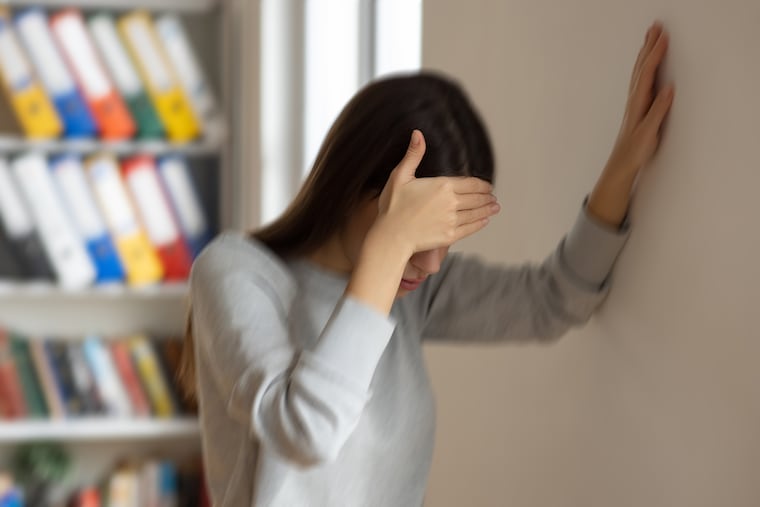
A woman in her mid-50s was my fifth patient on a long day treating people with severe chronic pain, all with similar stories. An automobile accident 25 years before left her with severe lower back and neck pain.
At the time of her accident, she was a mother with three small children. Her primary care physician had been treating her for all this time with a relatively high and stable dose of opioid pain medications.
Prescription painkillers were viewed differently when she first began taking these potent medications. It was a common and legitimate medical practice to offer higher doses of opioid medications — so long as the patients required them for pain relief, didn’t abuse them, and didn’t have any concerning side effects.
These medications had given this patient significant relief and had allowed her to raise her children and live a relatively normal life.
With her primary care physician now retiring, she was looking for a doctor willing to allow her to continue her medications, and even slowly taper them under supervision. But she couldn’t find a provider, not even one specializing in pain management, willing to take her on as a new patient.
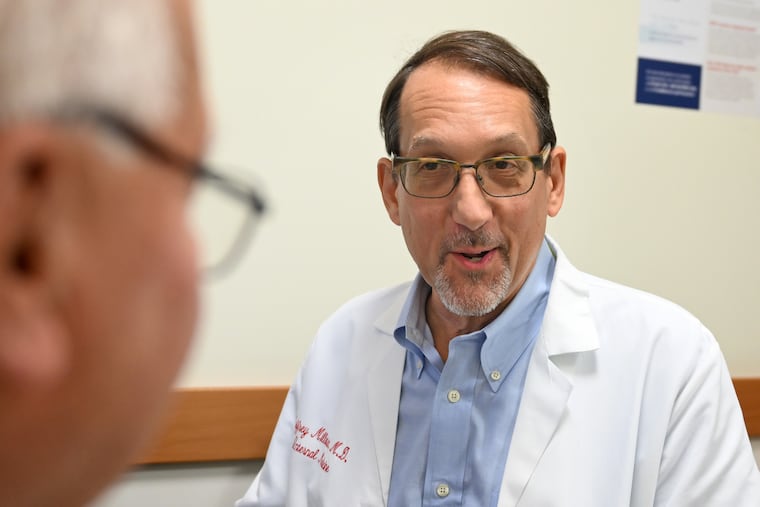
Eventually, she found her way to me through a referral. I specialize in carefully treating patients with severe pain with the medications that they require to relieve their suffering.
I had heard nearly identical stories from the four patients that I had already treated that morning, all suffering from severe chronic pain. They had previously sought relief through surgery or nerve blocks and procedures like spinal cord stimulators, but they still were suffering from unrelenting pain.
» READ MORE: Expert opinion: The other opioid epidemic is chronic pain patients in need of care
My medical opinion was that the only option available to them at this stage was opioid medication. They had ended up in my clinic, however, because the pain specialists they had been seeing were not willing to increase their doses, even under close supervision.
Twenty-five million Americans suffer from high impact chronic pain — defined as daily pain that negatively affects their quality of life and ability to work. In the 1990s and early 2000s, improper prescribing of opioids by inadequately trained healthcare providers — along with immoral actions and misleading information from some pharmaceutical and medication-supply companies — led to the “opioid crisis.”
Many unwitting patients became addicted to these substances and suffered great harm.
Today, however, I am seeing a new crisis among patients who truly suffer from debilitating, life-limiting, and sometimes life-destroying pain. They cannot get the care they need.
Chronic pain patients are maligned, misjudged, disrespected, and often treated in a punitive way. The overwhelming majority of patients with chronic pain, who are treated appropriately by highly skilled and empathetic physicians, use these medications to help ameliorate severe pain, not because they are looking to get high or satisfy an addiction.
When treated with expertise, they obtain great benefit, and many can resume something of a normal life.
The woman and the four patients whom I had already treated that morning each benefited from higher levels of medication. Each tolerated them without adverse effects, and none abused, diverted, or misused the medications. What had led to our medical system being unwilling to give them the treatment they needed?
Concern about regulatory oversight and potential civil and criminal legal issues have prompted many physicians, including pain specialists, to stop prescribing opioid pain medications. (I cannot explain this contradiction — how can a pain physician not prescribe effective pain medications?)
Many pharmacists also tell me that they are reluctant to dispense these medications, even if the patient has an appropriate prescription from a qualified physician. The pharmacists say that they are under scrutiny by the Drug Enforcement Administration and that their suppliers can be threatened with disciplinary actions if they fill even completely proper prescriptions above their quota.
It’s not unusual for my patients to tell me that they had to call 25 to 50 pharmacies before they found one to fill their prescriptions.
In Pennsylvania, the recent closure of Rite Aid pharmacies has exacerbated the problem. Patients who had been getting their pain medications from Rite Aid are now searching for alternatives. But most of the remaining pharmacies have reached their quotas of controlled medications such as opioids with established patients and are not able to serve new patients.
In some particularly egregious situations, pharmacies have had their entire supply of controlled substances suspended for seemingly minor issues.
I am a pain specialist, caring for many patients with severe pain. Most of my patients have exhausted or failed other potential therapeutic options. Over 90% of my patients who use opioid medications as their last available option get significant pain relief and have improved quality of life.
Yet due to the current situation, I now have many patients who are struggling to obtain these valuable medications, with many also having to deal with symptoms of withdrawal.
Many of my patients often wonder to me why they are punished because of others’ misdeeds and say that they have done nothing wrong and have simply been unfortunate to have suffered injuries and illness, that it’s not fair and is cruel.
It’s time that we begin to correct this travesty. We can treat these patients with expertise. The “opioid crisis” will not worsen by proper and dignified treatment of patients with chronic pain. They certainly deserve our care and their prescribed, helpful medications.
Ira Cantor, M.D., is an internal medicine physician specializing in pain management at Steiner Medical & Therapeutic Center in Phoenixville.