Philadelphia sues the nation’s largest pharmacy benefit managers over the opioid crisis
The city says CVS, UnitedHealth Group, and Express Scripts, through a network of subsidiaries, violated Philadelphia and Pennsylvania consumer protection laws.
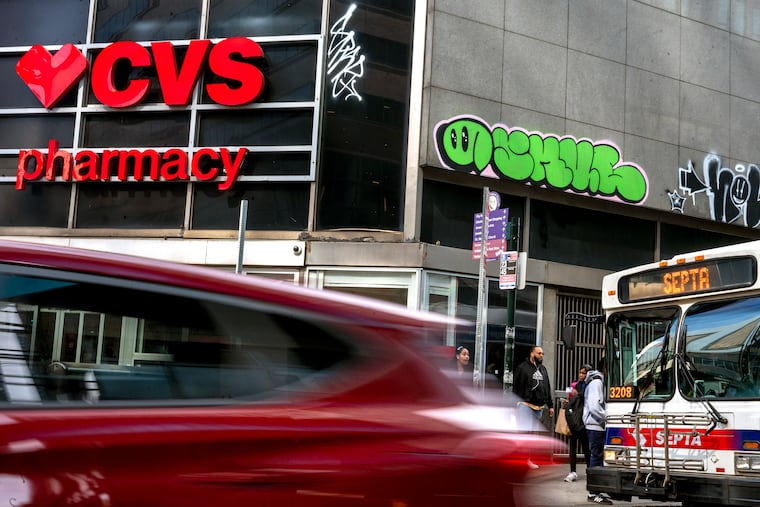
Philadelphia sued the country’s three largest pharmacy benefit managers Thursday for their role in the opioid crisis, alleging that they helped to spur a wave of addiction and overdose deaths in the city.
The city says CVS, UnitedHealth Group, and Express Scripts, through a network of subsidiaries, violated Philadelphia and Pennsylvania consumer protection laws and the federal Racketeer Influenced and Corrupt Organizations Act, known as RICO.
The lawsuit, which comes after major settlements with Purdue Pharma and other companies, calls the defendants “a group of indispensable participants in the country’s prescription opioid supply and payment chain” and says their “critical role in stoking and extending Philadelphia’s decades-long opioid epidemic had previously been fully, cleverly, and deliberately concealed.”
Pharmacy benefit managers work with drug manufacturers, insurers, and pharmacies, negotiating prices and developing formularies — lists of prescription drugs that are available on a given insurance plan.
The city’s complaint, filed in U.S. District Court for the Eastern District of Pennsylvania, says the PBMs named in the suit colluded with Purdue Pharma, the manufacturer of the painkiller OxyContin, and others in a deceptive marketing campaign about the risks and benefits of prescription opioids.
For example, the suit says, Express Scripts would reach out to Purdue “seeking help to quash” concerns from clients over OxyContin addiction and diversion of pills to people without a prescription. And CVS worked with Purdue on misleading training programs on pain management for pharmacists, the suit says.
The PBMs, the suit alleges, worked with manufacturers to increase opioid sales and fight efforts to restrict opioid prescribing.
OptumRx, a subsidiary of United Health, created a program in 2013 that allowed opioid manufacturers to pay to avoid prior authorization, a mechanism intended to prevent unnecessary treatment by requiring advance approval. Instead of requiring prior authorization that was clinically appropriate, OptumRx used the mechanism as “a threat to extract higher rebates from opioid manufacturers,” the complaint says.
The PBMs also allegedly dispensed “huge quantities” of prescription opioids through mail-order pharmacies without proper safeguards and accepted hundreds of millions of dollars in rebates and fees in exchange for “favorable placement” of opioid painkillers on formularies.
“As a direct result of the PBM Defendants’ misconduct [...] Philadelphia remains engulfed in an opioid epidemic that has led to a public health and safety crisis of an unprecedented nature,” the lawsuit says.
A spokesperson for CVS said that the allegations in the lawsuit were “without merit” and that the company intends to “vigorously” defend itself. UnitedHealth and Express Scripts did not immediately respond to a request for comment.
The city is asking for payments that would abate the harms of the crisis, compensatory and punitive damages, and court-ordered corrective action to prevent the behavior alleged in the suit from occurring again.
The suit is the latest salvo in the city’s long-running legal battle against opioid manufacturers and distributors that are widely blamed for sparking the country’s opioid crisis. More than 12,000 people died of overdoses in Philadelphia between 2010 and 2023.
Pennsylvania is set to receive more than $1 billion, paid out over 18 years, as a result of a national settlement negotiated by then-Attorney General Josh Shapiro with opioid manufacturers and distributors.
Thursday’s suit is based in part on confidential documents that PBMs turned over during the national opioid litigation, the city said in its suit.
“These court-ordered disclosures would ultimately reveal to the public — for the first time — precisely how the PBM Defendants worked closely with opioid manufacturers, distributors, and pharmacies to increase the prescribing, dispensing, and sales of prescription opioids across the nation for more than two decades," the suit read.
The companies targeted in the city’s lawsuit “chose profit over people,” Mayor Cherelle L. Parker said in a statement.
“We will not sit idly by while corporations boost their bottom line at the expense of the health and safety of Philadelphians,” she said.