Anomaly: My rare disease amid a crisis in science | Expert opinion
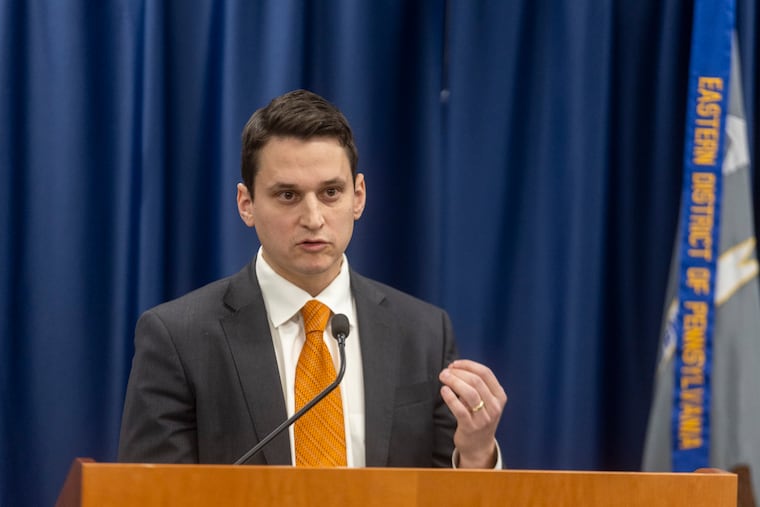
Brandon Satz-Jacobowitz was able to study his own rare genetic disorder, BMP2-related skeletal dysplasia spectrum disorder, in a Penn lab, until the Trump administration cut funding.
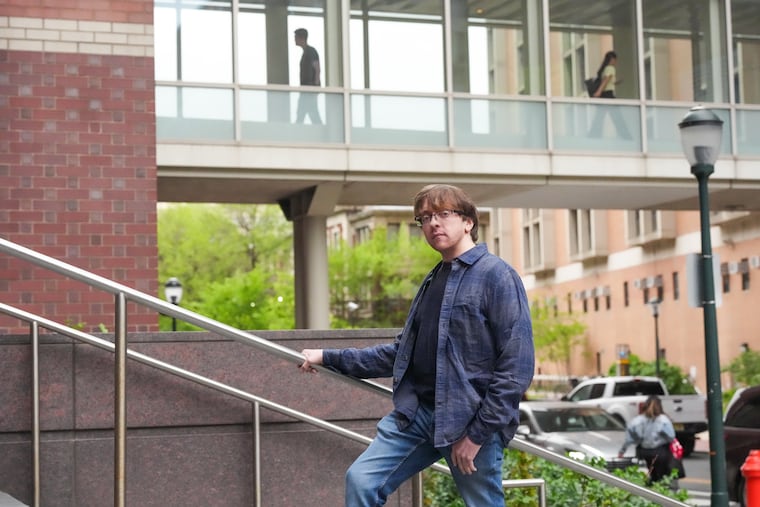
I was born with a rare genetic disorder, one of about 30 patients worldwide. The hallmark symptoms include a shorter stature, scoliosis, an irregular heartbeat, a missing pair of ribs, and minor abnormalities affecting bones in the face, hands, and feet.
My condition was formally named BMP2-related skeletal dysplasia spectrum disorder, though my longtime cardiologist called it “Satz-Jacobowitz syndrome,” based on my last name and the rarity of my diagnosis. I like to describe my condition more informally as “Baggins disease,” since the features resemble the fictional protagonists of J.R.R. Tolkien’s The Hobbit and Lord of the Rings trilogy.
Like the leading characters in the series, Bilbo or Frodo, I found myself on an unexpected journey.
Two years ago, I enrolled as a Ph.D. student in the University of Pennsylvania’s cell and molecular biology program, seeking a chance to study my condition. I’d love to dedicate my career to studying my rare disease, searching for answers to lifelong questions, and helping those few who share this disorder.
But my career path has been upended in the last year by cuts to federal funding for scientific research under President Donald Trump’s administration.
I have sent a dozen emails seeking placement in labs, experience that constitutes the majority of my six- to seven-year degree, only to receive apologies from several of the labs’ lead investigators citing reduced support from the National Institutes of Health and an inability to recruit.
I came through surgeries and a cardiac crisis last year. Now I find myself mourning the loss of a career and life-changing opportunities.
I was 24 years old and working my first science research job when I learned my diagnosis from genetic sequencing. The cause was a mutation in a bone morphogenic protein (BMP), part of an ancient, essential gene family that spans 500 million years of animal evolution. I appreciated the results, which offered more narrative intrigue than answers.
Genetics tells how DNA provides a code for RNA, which provides a code for proteins. Some of these proteins are messengers between cells. They move from one cell to the next, acting through protein “middlemen,” and eventually turning genes “on” and “off.” The cycle repeats as new rounds of DNA, RNA, and protein signals form feedback loops and gradients.
My results revealed a striking mutation in a key signal sent between cells. BMPs are required throughout development, from the earliest embryonic specialization of cells through key stages of neural, vascular, cartilage, and bone formation. They also have applications in stem cell research and orthopedic surgeries. A version of the protein was injected during my own scoliosis surgery 15 years ago to promote bone healing.
I had studied BMP2 in college biology courses. Now my own genetic results were notable enough to warrant a case report by my clinician. I also learned that both my lab mentor and a former college adviser had researched this gene in other contexts for their Ph.D.s long before I knew them. This coincidence underscored the relevance across topics and fields.
Around the same time, I faced several personal setbacks. I was working in a hospital-based lab that had to halt its experiments for worker safety during COVID-19. My research was put on pause.
Then, my clinician’s case report arrived unexpectedly. I was surprised that my medical information had been sent to a scientific journal without my knowledge or consent.
Still, I felt affirmed by its overall importance. I spent the next year seeking a chance to study my condition. I adore the narratives biology tells — its breadth of mystery, interweaving signals, and infinite potential for advancement.
When I arrived at Penn in 2024, the possibilities seemed boundless. Twenty years after science had finished mapping the human genome, we now had tools like CRISPR to efficiently edit and modify genes.
Conceivably, I could take skin cells from my arm, reprogram them into stem cells, and differentiate them into almost any other cell type. I could then use CRISPR to “fix” my genetic mutation in some of these cells. In theory, I could create my own perfectly matched controls for research.
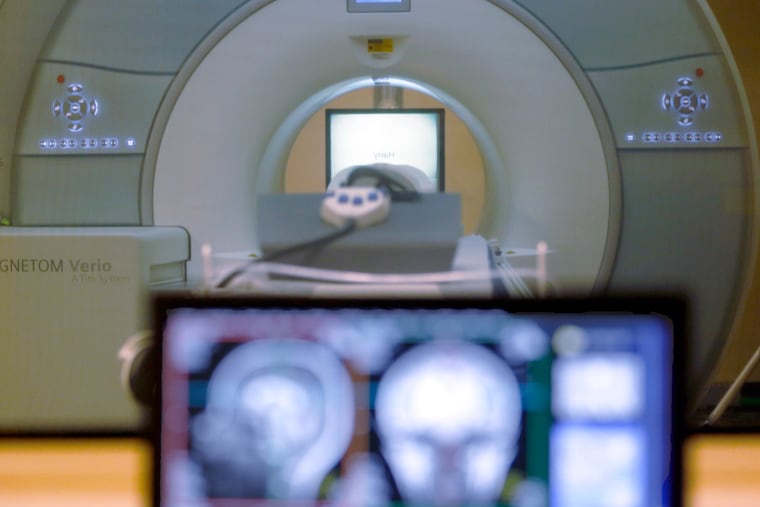
My health took an unexpected turn a week before the beginning of my Ph.D. program. A routine MRI showed “torrential” regurgitation from my aortic valve, a massive backflow of blood into the heart. I was a critical candidate for open-heart surgery.
I spent weeks consulting doctors, repeating exams, and even attending a conference for heart surgeons hosted by Penn. Thankfully, repeat tests showed milder results. I was able to postpone the procedure, but the interruption in my semester set me back in my pursuit of a Ph.D.
I had a brief chance to study zebrafish with mutations resembling my own, working for a pioneer in zebrafish biology. The research was exciting, meaningful, and fun. Then Trump’s administration cut NIH funding, and with it, my chance to remain with this lab.
The unexpected loss of NIH grants also impacted other Penn labs that I had referenced excitedly in Ph.D applications. Research was no longer the “playground” that I recalled faculty describing. It had become a maze in which I could not advance.
Researching my so-called “Baggins disease” remains my passion. Someday, I’ll likely need the heart procedure my physicians postponed. I have no idea where I’ll be then. Officially, I remain in the Ph.D. program, but I have struggled to find developmental biology labs seeking students, let alone one that could accommodate my specific interests.
Like Tolkien’s Bilbo or Frodo Baggins, I see an arduous road ahead. There is no solving science, and the search through its invisible ink requires resources and resolve.
I continue to seek out labs at Penn, increasingly worried that I may need to change institutions or even my field. But I will proceed on a path informed by my rare disease identity — onward and onto the next stage of my personal and professional development.
Brandon Satz-Jacobowitz is a graduate student from Brooklyn, N.Y., pursuing a Ph.D. in the University of Pennsylvania’s cell and molecular biology program.