Geisinger Health wants relief from financial condition on merger into Risant Health in 2024
The Pa. Insurance Department required Geisinger to maintain specific capital reserve levels as a condition of the deal. Geisinger wants the level to be reduced to free up $100 million.
Geisinger Health has asked Pennsylvania regulators for relief from financial conditions placed on its insurance business as part of its merger with Risant Health in 2024.
Relaxing the requirement for higher insurance reserves would release money that it could invest in services for residents of Central and Northeastern Pennsylvania, Geisinger said in a January Pennsylvania Insurance Department filing.
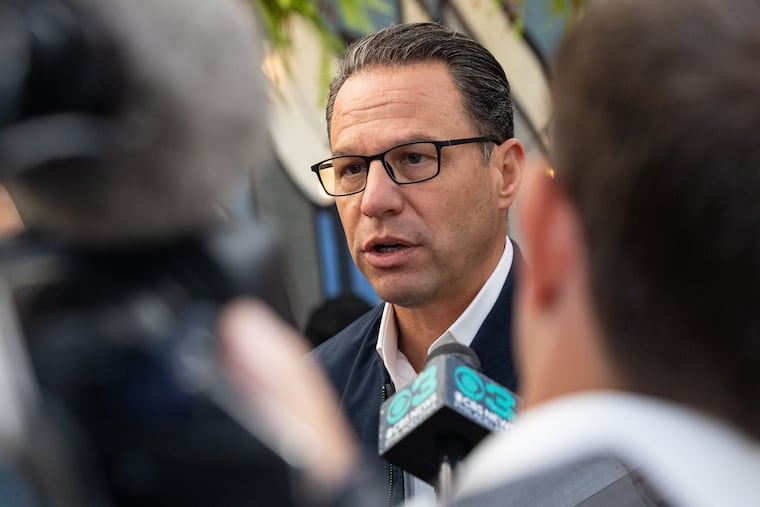
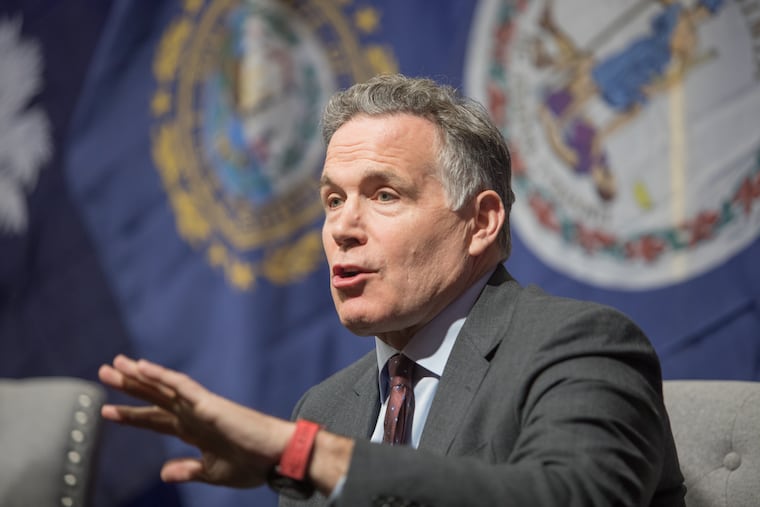
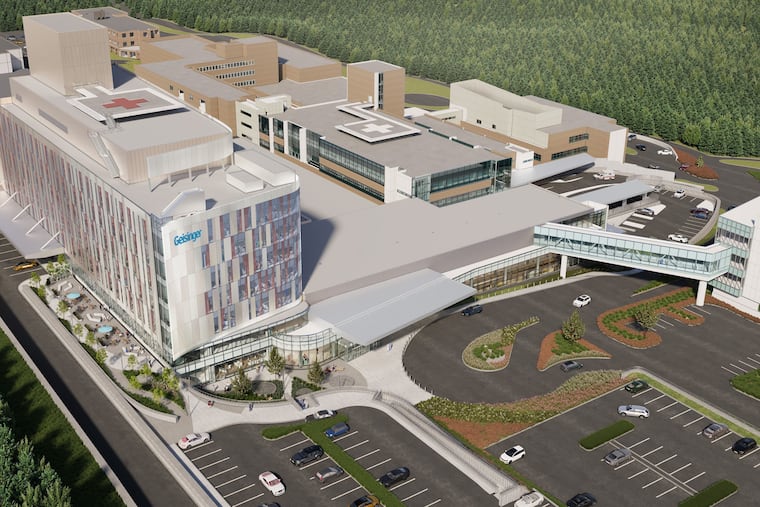
“What it effectively means is that you have less working capital on your balance sheet as a system to make investments in the community, like go build a tower,” Geisinger CEO Terry Gilliland said in an interview last week.
The relief Geisinger requested would free up $100 million, Gilliland said. It’s not clear when regulators will make a decision.
Geisinger’s merger with Kaiser’s Risant Health
Risant was a new nonprofit created in 2023 by Californian-based Kaiser Permanente, the nation’s largest nonprofit health system, to test its model with a reputation for better and cheaper care in more parts of the country.
In its first move, Risant acquired Geisinger, one of Pennsylvania’s biggest health systems and a crucial safety-net provider in rural areas. The system had $9 billion in revenue last year, according to an Inquirer calculation based on information in Kaiser’s audited statement.
Geisinger was financially weakened by a decade of expansion during which it acquired seven community hospitals, opened two joint venture hospitals, and added a medical school. Then the coronavirus pandemic added even more financial strain.
As part of the merger agreement, Geisinger promised to invest between $2 billion and $2.6 billion in Pennsylvania — money expected to come from its own cash flow, not from Kaiser.
Since the merger, construction has started on two major projects: an $880 million expansion in Danville, home to Geisinger’s flagship medical center, and a $900 million hospital tower on the Geisinger Wyoming Valley Campus in Wilkes-Barre.
Geisinger employs more than 26,000 people, according to its insurance department filing.
Financial strain in the healthcare sector
Risant’s request comes as Geisinger and other Pennsylvania Medicaid insurers have been struggling for several years with what they say are insufficient payments from the state to cover the health needs of their members.
The plans also anticipate significant Medicaid membership declines when new rules take effect next year making it harder for people to stay enrolled.
Geisinger had 264,466 people covered by its main Medicaid plan, not counting people in a separate Medicaid plan that covers long-term care, according to state data.
The organization’s January filing said it expects to lose 31,000 to 38,000 members — 12% to 14% of the total — under the new Medicaid rules.
Altogether, Geisinger expects a $185 million hit to revenue in 2028 from the enrollment changes and other impacts of last year’s massive tax bill, sometimes called the One Big Beautiful Bill Act, Gilliland said.
Insurance drain
Losses at Geisinger Health Plan in 2024 and the requirement for extra reserves forced Geisinger to contribute $279 million to the insurance subsidiary’s reserves over the last two years, according to financial filings.
The insurance department order did not specify why it required Geisinger to provide extra security that it would be able to pay claims after the nonprofit was taken over by an out-of-state organization.
That’s effectively moving reserve funds from one part of Geisinger to another, with a significant cost, Gilliland said.
Money parked in what’s called risk-based capital on the insurance side of the business can only be invested in low-yield bonds that might earn 2% interest, he said. If the money were kept on the main health system balance sheet, it might earn 5% to 7% interest.
“It’s a big deal,” he said. “It takes money away from the system.”