FDA is removing the ‘black box’ warning on hormone treatments for women in menopause. Here’s what you need to know.
For more than two decades, the FDA warned women of risks linked to estrogen, scaring them off hormone therapy. The FDA now says the benefits of HRT outweigh the risks for most menopausal women.
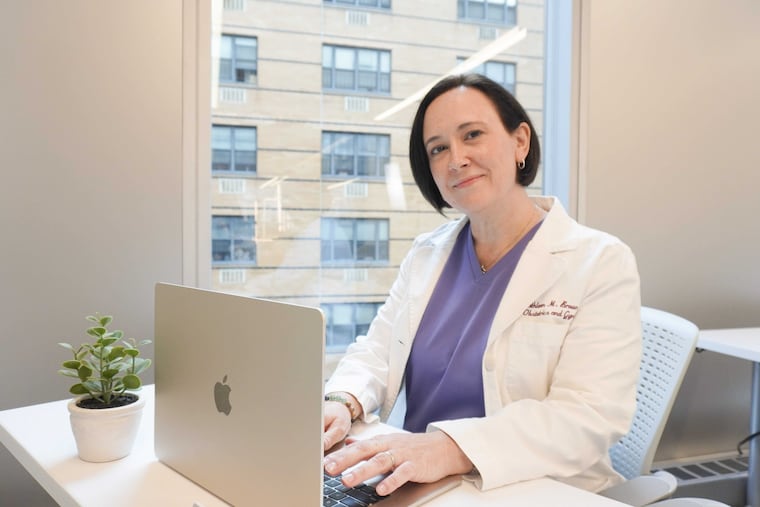
For years, Cathleen “Cat” Brown, a Philadelphia obstetrician and gynecologist, would listen to patients complaining of hot flashes, brain fog, and painful sex and prescribe estrogen as a safe option for easing their menopausal symptoms.
But when the women read the drug label and pharmacy package insert, they’d recoil at a “black box” warning, Brown said. The bold, black-bordered alert warned women that estrogen may put them at higher risk of breast cancer, cardiovascular disease, stroke, and dementia.
“It was making liars out of doctors,” Brown said. “It frankly scared the crap out of patients, and it really caused distrust between the patients and the providers.”
A black box warning is the highest safety alert that the U.S. Food and Drug Administration requires drug manufacturers to include on medications in which clinical data shows the drug can cause death or serious health risks.
But the warning label placed on all estrogen-based treatments since 2003 was based on an outdated and flawed government-funded study, known as the Women’s Health Initiative.
Newer scientific research shows that the benefits of hormone replacement therapy, or HRT, far outweigh the risks for most women, experts say, particularly those who are younger than 60 or within 10 years of menopause.
More recent evidence also suggests that estrogen can reduce the risk of breast cancer, cardiovascular disease, Alzheimer’s, bone fractures, and cognitive decline, extending women’s lives by about 10 years.
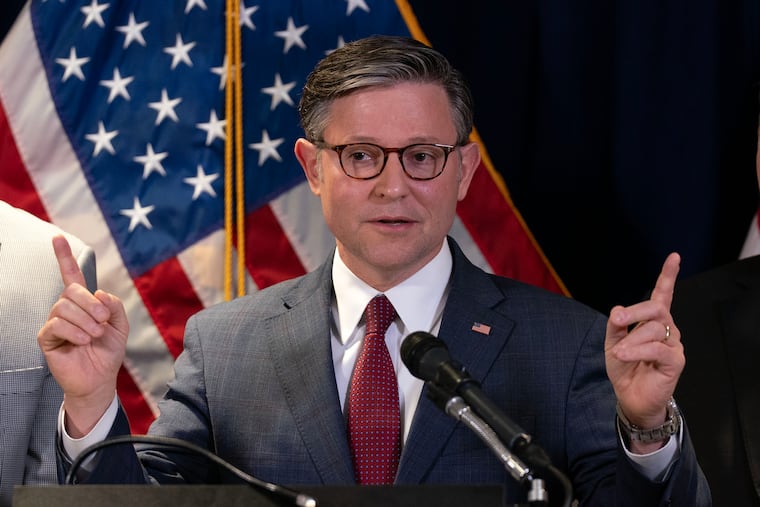
In November, FDA Commissioner Martin Makary announced that the agency was taking steps to remove the black box warning on hormone treatments for women.
“We are going to stop the fear machine steering women away from this life-changing, even life-saving treatment,” Makary said at a news conference.
Brown, an ob-gyn at Jefferson Abington Hospital, said the FDA’s reversal will lead to more medical schools teaching doctors how to treat menopause and provide women with more access to hormone therapies.
“It’s causing kind of a tidal wave in the medical community,” Brown said. “It was a relief to see the FDA catching up with the science.”
The Inquirer spoke with Brown, who also serves as the medical director for a national menopause telehealth provider called Winona, about the FDA’s shift on HRT and what that means for aging women. This conversation has been edited for length and clarity.
What prompted the FDA warning on estrogen treatments?
The black box warning was one of the aftereffects of the whole Women’s Health Initiative study released in 2002. They basically published the results before they really had a chance to have it peer-reviewed and really analyze the data, and it went all over the news, and suddenly there was this widespread panic. Doctors across America got scared. Patients got scared, and everyone was taken off their HRT.
Why was the 2002 study misleading?
In that study, they were giving HRT to much older women, like in their late 60s, who weren’t great candidates to start it. They were also using different forms of HRT than we’re using now, so a lot of more synthetic hormones. The most popular one back then was Premarin, which came from a pregnant mare’s urine, so horse estrogens.
We were also giving these women higher doses of hormones, and it was causing more medical problems.
What has changed since?
Now we really lean toward giving you bioidentical hormones, like the same compounds that your ovaries were making on their own. It’s much safer. Our body processes it better, and we’re able to use lower doses to have the same effectiveness than those old synthetic hormones that they had to do at higher doses before. We also learned from that study that there’s a magic window — the safest time to initiate hormone replacement therapy is within 10 years of a woman going through menopause.
It was a relief to see the FDA catching up with the science.
What led to the FDA’s reversal?
So the FDA held an expert panel last July. They invited all these experts on hormone therapy to speak and basically give their justification for why that black box warning needs to be removed. It’s really been a disservice to women, because all the women who were taken off HRT ended up with bad osteoporosis, weak bones, and more medical problems from the loss of estrogen from their bodies.
They also talked about the fact that we should not have this black box warning on estrogen products, especially estrogen vaginal cream, which is so safe that it really could be over the counter. For women in nursing homes, a little bit of vaginal estrogen could have prevented recurrent urinary tract infections. So many women die of urinary sepsis and bacteremia that has come from a UTI. Topical vaginal products also significantly improve sex life for women.
What is HRT?
We’re actually starting to call it hormone therapy, because we’re not trying to replace your levels back to what you were making on your own in your 20s or 30s. It’s about giving you enough dosage of hormone to give you the health benefits and mitigate bothersome symptoms and help women with that menopausal transition.
When we are aging, within our 40s and into our 50s, we lose estrogen at a dramatic rate. We also have testosterone in our bodies as women and that drops, too. That fluctuation of hormones causes this whole litany of symptoms, like hot flashes, night sweats, brain fog, joint pain, dry skin, brittle hair, hair loss, so many things.
Estrogen is a powerhouse hormone that keeps all the tissues in our body healthy.
Why is this a win for women’s health?
More women are demanding better and not wanting to go gently into old age and suffer anymore. This is also pushing more medical education institutions to start infusing menopause into the curriculum. Women’s health has never been in the forefront.
It’s always been something we do secretly and quietly, which I think is kind of a parallel to the gender disparities in the world, like once we’re done childbearing and we’re no longer in our fertile peak, it’s like we’re less important to the world, and nobody wants to focus on it. This is causing a trend where more women are going to get educated and more doctors are going to start learning.