Philadelphia sues drugmakers and pharmacy benefit managers over high insulin costs
About 14% of adults in Philadelphia have diabetes, one of the highest rates in the country, the city said, and Black and brown residents are particularly affected.
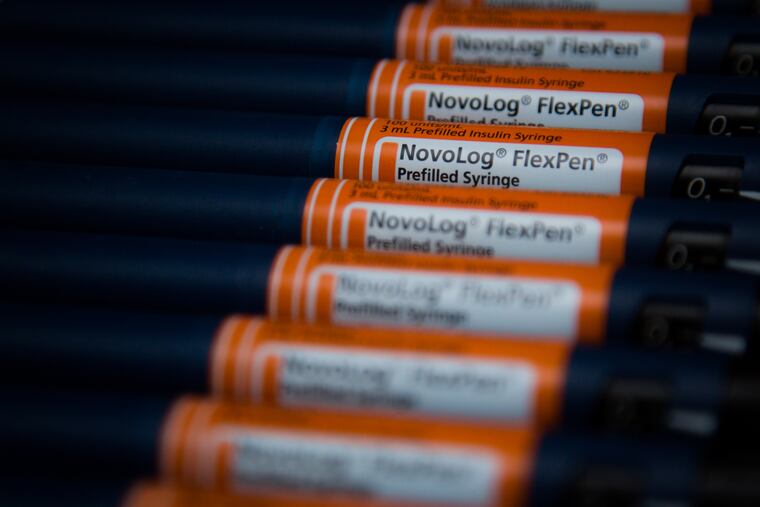
Philadelphia is suing a host of drug manufacturers and pharmacy benefit managers in federal court, alleging that they conspired to increase insulin prices to drive sky-high profits as patients struggled to afford life-saving medications.
City officials said rising diabetes medication prices have caused the city to “significantly overpay” for diabetes medication for city employees and their families, noting in a news release that insulin prices have increased from $20 per vial in the 1990s to $300 to $700 per vial today.
About 14% of adults in Philadelphia have diabetes, the city said.
“Philadelphia suffers from one of the highest rates of diabetes in the United States, especially in our Black and brown communities,” Health Commissioner Palak Raval-Nelson said in a statement.
“When people cannot afford their insulin, they frequently go without or cut back, leading to disastrous consequences both for themselves and Philadelphia as a whole. Their lives are degraded, and we all pay the associated health costs.”
The suit, filed Tuesday, follows similar litigation filed by District Attorney Larry Krasner in 2024. Hundreds of companies, unions, and other local and state governments, including Bucks County, have also filed suit alongside Philadelphia as part of a wide-ranging lawsuit in federal court in New Jersey, the city said.
In the suit, the city accuses drugmakers and pharmacy benefit managers, or PBMs, of colluding to drive up profits on diabetes drugs. PBMs work with drug manufacturers, insurers, and pharmacies, negotiating prices and developing formularies — lists of prescription drugs that are available on a given insurance plan.
To ensure their drugs were included on formularies, drug manufacturers increased prices on diabetes drugs and then paid “a significant, yet undisclosed” portion of the resulting profits back to the PBMs, the city’s lawsuit said.
That meant lower-priced or generic diabetes medications received “less favorable placement” on formularies, passing higher costs onto consumers, according to the lawsuit.
The suit names nearly two dozen prominent drugmakers and PBMs, including Eli Lilly & Co., Optum RX, Sanofi, Novo Nordisk, and CVS Caremark. Optum officials did not immediately return a request for comment.
In a statement, a Lilly spokesperson said the company has worked for years to lower costs for people with diabetes by capping prices at $35 per month. The average out-of-pocket Lilly insulin cost was $14.86 a month for patients in 2024, the spokesperson said.
“These copycat lawsuits are baseless,” the spokesperson wrote.
Sanofi officials declined to comment on the allegations but said in a statement their “pricing practices have always complied with the law.” The company said it works to lower costs for patients, but that in the U.S. healthcare system, “savings negotiated by health insurance companies and PBMs” aren’t often reflected in patients’ co-pays.
CVS officials said in an email that “pharmaceutical companies alone” are responsible for setting insulin prices and that they would welcome efforts from drug manufacturers to lower prices.
“Allegations that we play any role in determining the prices charged by manufacturers for their products are false, and we intend to vigorously defend against this baseless suit,“ officials said.
Novo Nordisk officials similarly called the allegations in the suit “meritless” and said the company has a number of initiatives to make insulin more affordable for patients.
Staff writer Sarah Gantz contributed to this article.