One year of inspections at Jefferson Einstein Montgomery Hospital: February 2025 — January 2026
The Jefferson Health facility was cited for not documenting a patient's risk of aspiration and failing to properly monitor another for vital signs.
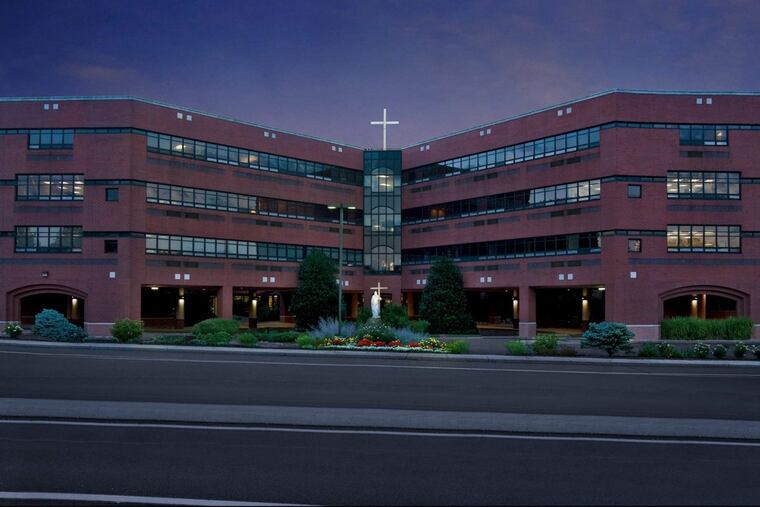
Jefferson Einstein Montgomery Hospital was cited by the Pennsylvania Department of Health for failing to properly monitor a patient’s vital signs and another patient’s aspiration risk last year.
The incidents were among 10 times inspectors visited the East Norriton hospital, which is part of Jefferson Health, to investigate potential safety problems.
Here’s a look at the publicly available details:
Feb. 3, 2025: Inspectors visited for a special monitoring survey and found the hospital was in compliance.
March 10: Inspectors came to investigate a complaint but found the hospital was in compliance. Complaint details are not made public when inspectors determine it was unfounded.
March 14: Inspectors came to investigate a complaint and found the hospital had violated safety rules but fixed the problem before they arrived. The safety violation related to checking critical lab values for a patient in December 2024. The hospital’s correction plan included updating its verbal and electronic notification process for lab results.
May 7: The hospital was cited for failing to properly document a patient’s aspiration risk in May 2024. Inspectors found that staff had failed to record in the patient’s file that they were at risk of accidentally breathing food or liquid into their lungs. Staff also failed to monitor the patient’s temperature, a key vital sign, every 8 hours as required. Administrators retrained staff on protocol for communicating to peers that a patient is at risk of aspiration and instructed nurses to take patients’ vital signs during every shift.
Aug. 27: The hospital was cited for failing to properly monitor a patient in the emergency department. Inspectors found that emergency department staff had assigned a patient a triage ESI level 3, meaning they needed care urgently but were stable and should be re-evaluated at least every four hours, according to Jefferson’s policies. Emergency patients are evaluated on a standard Emergency Severity Index scale of 1 to 5, with a higher number indicating more urgent needs. The patient arrived at 10:44 a.m. on April 9, and was re-evaluated six hours later, shortly before 5 p.m., and another six-plus hours after that, and reminders were posted at the triage desk.
Sept. 3: Inspectors followed up on the May complaint regarding aspiration risk and found the hospital in compliance.
Sept. 24: Inspectors came to investigate a complaint but found the hospital was in compliance.
Oct. 17: Inspectors followed up on the August complaint regarding emergency department monitoring and found the hospital was in compliance.
Dec. 15: Inspectors visited for a special monitoring survey and found the hospital was in compliance.
Dec. 23: Inspectors came to investigate a complaint but found the hospital was in compliance.

The Pennsylvania Department of Health routinely inspects hospitals to ensure the facility is safe for patients and that staff are following all safety protocols. Inspectors may also visit when a hospital staff member or patient files a complaint.
Not all safety violations spark an on-site investigation from inspectors. Hospitals are required to self-report the most serious safety violations and often work directly with the state to address them. Complaint details are not made public when inspectors determine it was unfounded.
The Inquirer tracks publicly available hospital reports related to a complaint, special monitoring, and general safety inspections. The Inquirer does not track inspections for new equipment or occupancy surveys, unless problems are identified.
Inspection reports are publicly available online and are released 40 days after the report is completed.
The Inquirer is publishing roundups of state inspection reports for Pennsylvania hospitals in our coverage area.