Delaware County detected measles in wastewater samples, health officials say
No one in the county has been diagnosed with measles, said Lora Siegmann Werner, the director of the county’s health department.
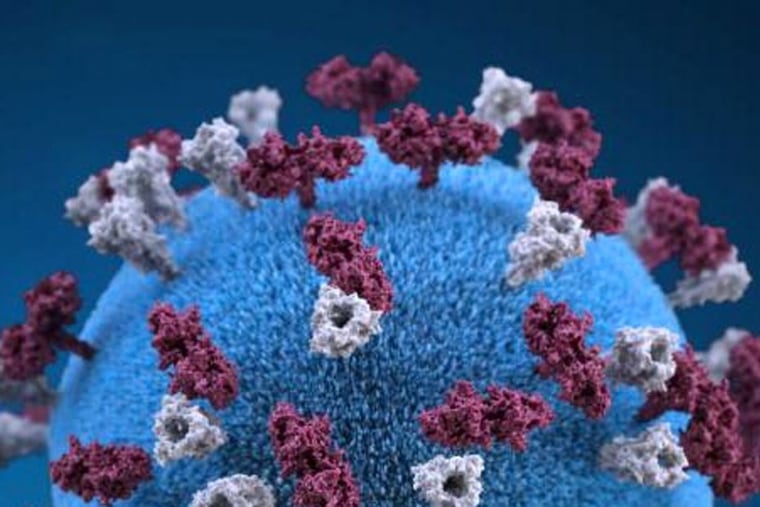
Measles was detected in wastewater samples taken in Delaware County on two days last week, local health officials said Wednesday.
This means someone infected with measles used a bathroom connected to the county’s public water supply, although no one in the county has been officially diagnosed with measles, said Lora Siegmann Werner, director of the county’s health department.
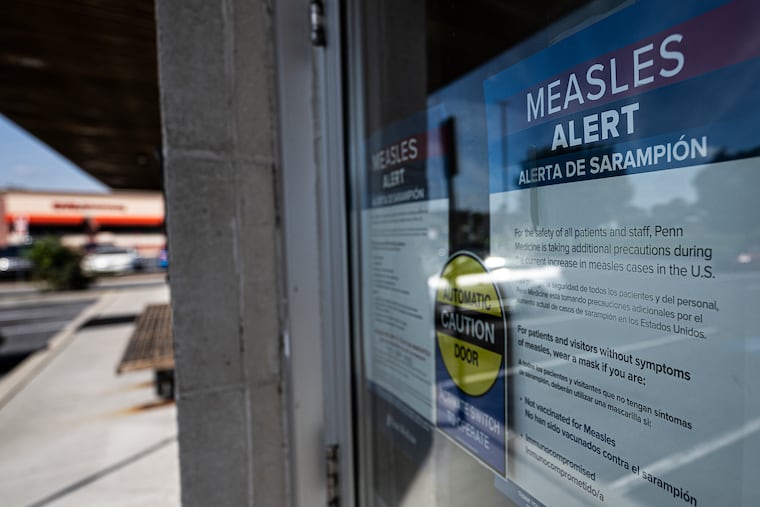
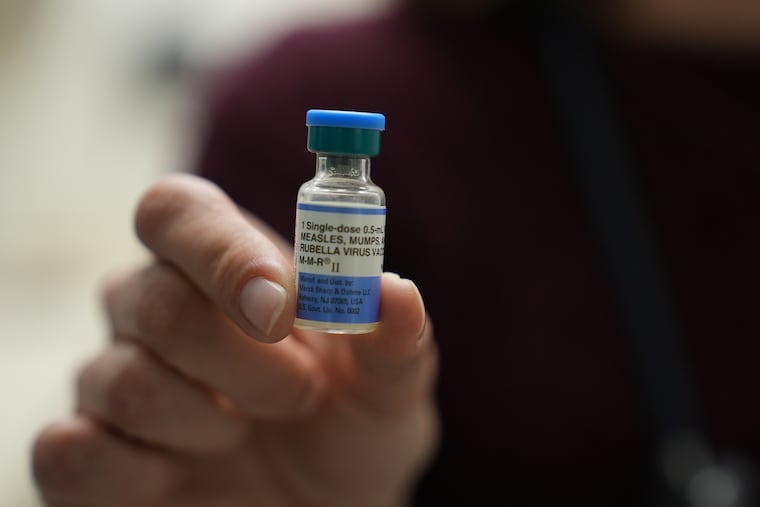
Detecting the highly contagious disease in wastewater can serve as a reminder for parents to vaccinate their children, and for health providers to be on the lookout for people experiencing measles symptoms.
“We’re not trying to scare people, but we thought it was a good opportunity to raise awareness,” she said.
Health officials around the country regularly monitor wastewater for various diseases, including measles and COVID-19.
The treatment plant where measles was detected in samples on June 9 and June 11, DELCORA Western Regional Treatment Plant in Chester, serves about 500,000 people in Delaware and Chester Counties.
Health officials were able to determine the positive samples came from Delaware County, Siegmann Werner said. But it was impossible to tell whether that person was passing through the county or lives there.
It was also unclear whether the infected person was connected to a measles outbreak in four counties west of Philadelphia, including Lancaster County, just over the border from Chester County.
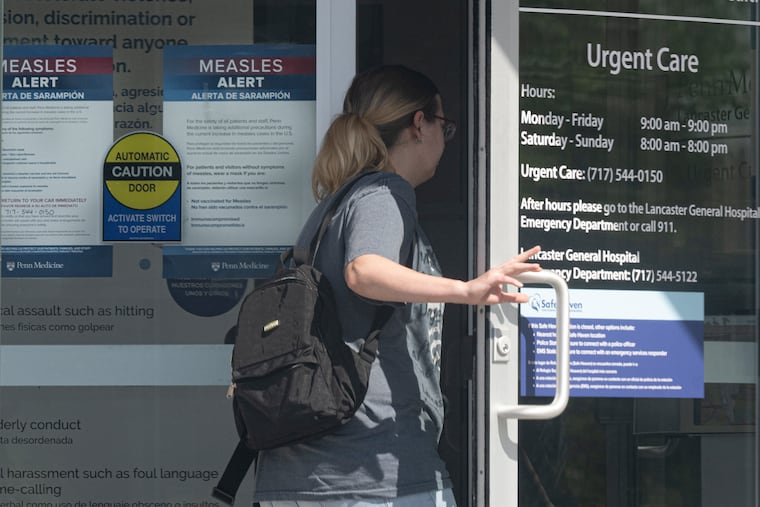
As of Wednesday, state health officials had identified 55 cases in that outbreak, with 32 in Lancaster County. Physicians there have said they fear more cases are circulating in the community among people who avoiding seeking medical care or notifying the state health department.
“We’ve been tracking the outbreaks that occur, knowing it’s likely a matter of time before we have our own cases,” Siegmann Werner said.
The county is engaging in planning exercises and reaching out to healthcare providers to prepare for potential cases in the area.
» READ MORE: More than 200 Philly-area schools are vulnerable to measles outbreak
Measles spreads through the air, lingering in a room for up to two hours after an infected person has left it. About nine in 10 unvaccinated people who come into contact with the virus will contract it themselves.
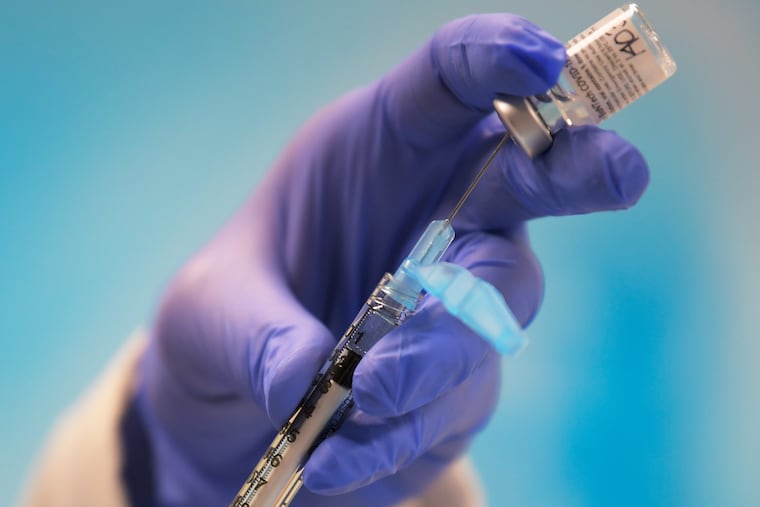
Two doses of the measles, mumps, and rubella vaccine are 97% effective against the disease.
The virus’ early symptoms include a fever, cough, runny nose, red and puffy eyes, and a rash. In serious cases, measles can lead to pneumonia, brain infections, and death.
There is no evidence it is spread through contact with untreated wastewater, Delaware County health officials said.
Without a confirmed measles case in Delaware County, Siegmann Werner said, the detection of measles in its wastewater will not trigger an investigation into its origin.
“It’s really limited to saying there was someone who was ill” who either passed through the county or lives there, she said. “Please be vigilant and get vaccinated.”