Pennsylvania Medicaid stopped covering GLP-1s for obesity this year, but it's not all savings
The cost of GLP-1s for Pa. Medicaid soared to $1.3 billion from $233 million during the three years they were covered for obesity alone.
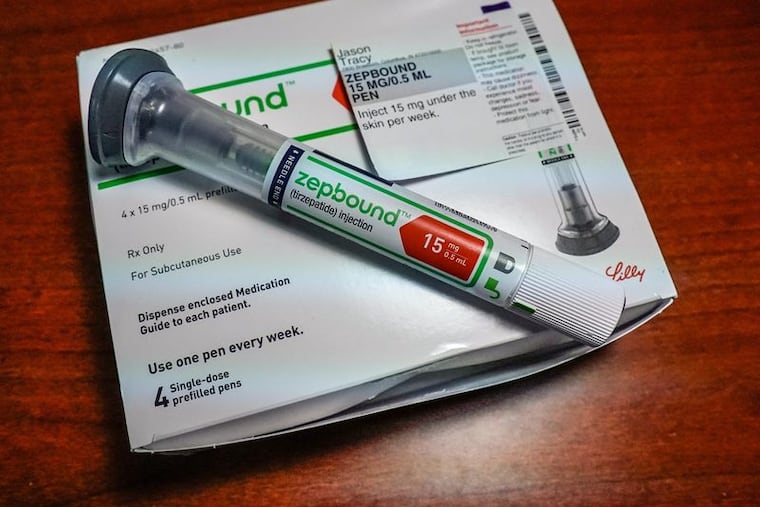
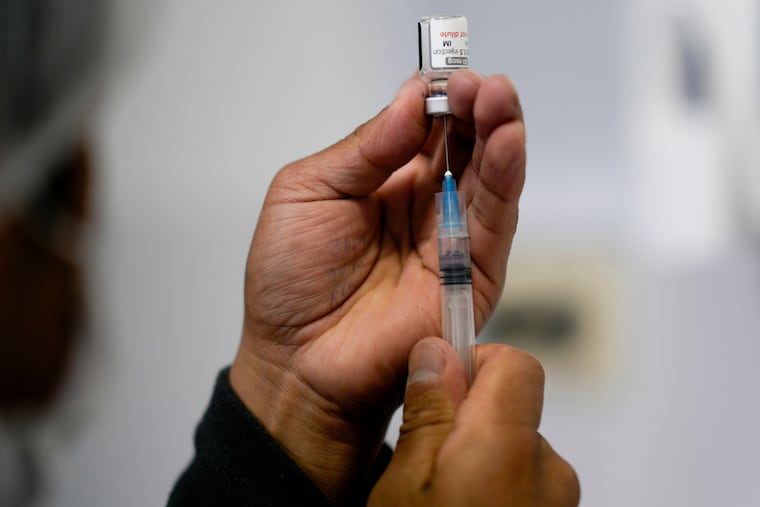
Pennsylvania’s Medicaid spending for GLP-1s like Ozempic, Wegovy, and Zepbound exploded to an estimated $1.3 billion last year — from $233 million in 2022, the year before Medicaid started covering the drugs for obesity.
That translates to an increase from 5% of overall drug spending to 22% over the same time period. Total Medicaid drug spending rose to $6 billion in 2025 from $4.8 billion in 2022, according to data provided by the Pennsylvania Department of Human Services.
Pennsylvania was among 16 states that covered GLP-1s for obesity treatment last year, according to KFF’s Medicaid budget survey in October. Since then, California, New Hampshire, and South Carolina stopped doing so, likely because of the drugs’ high costs and budget challenges, KFF said.
The rapid rise of GLP-1 expenses led state officials to announce in December that Medicaid would stop paying for the drugs when they are prescribed for obesity alone. The state still covers GLP-1s for diabetes and certain other conditions.
The human services department predicted that the coverage change would trim spending by $836 million in the fiscal year that starts July 1.
That spending reduction became another budget issue that attracted attention in Harrisburg.
State Sen. Tracy Pennycuick noted that Gov. Josh Shapiro’s fiscal 2027 budget proposal was asking for $84 million to backfill a reduction in pharmacy rebates.
”What’s going on there? $84 million is a lot of money," Pennycuick asked Human Services Secretary Val Arkoosh said during a Senate budget hearing in February.
The biggest factor is the reduction GLP-1 coverage, Arkoosh said. “It is still a net savings despite that reduction in the rebates,” she said.