New Jersey officials confirm 2026’s first case of bird flu in a commercial flock
The Burlington County farm’s owner contacted agriculture officials after birds on their farm began dying.
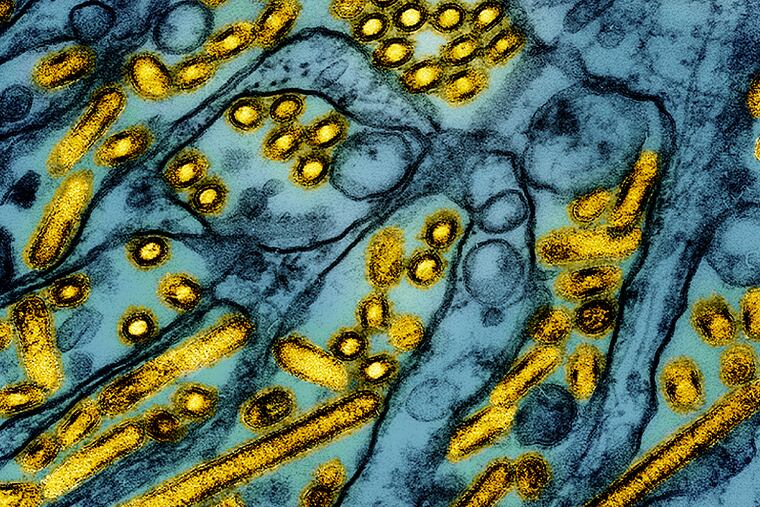
Federal and state agriculture officials announced Thursday that they have identified a case of highly pathogenic avian flu on a commercial bird farm in Burlington County.
The New Jersey Department of Agriculture said in a news release that the case was the first confirmed in the state in 2026.
The farm’s owner contacted agriculture officials after birds on the farm began dying, and highly pathogenic avian influenza was later found in samples submitted to state officials.
The farm has been quarantined and no new birds will arrive there until a “thorough cleaning and disinfection” to eliminate the virus, officials said in a news release.
Health and agricultural officials have been monitoring outbreaks of HPAI in commercial flocks across the country since 2022, including in the Philadelphia area. Though the virus has also spread in dairy cattle elsewhere in the country, it has not been detected in cattle in Pennsylvania or New Jersey.
HPAI has infected humans, although none in either state, and New Jersey officials said there is little risk to the public.
Human infections typically occur after close or lengthy unprotected contact with infected birds or cattle, or the places they have touched, officials said.
People who have had unprotected contact with infected birds should monitor themselves for symptoms for 10 days, including fever, cough, a sore throat, eye irritation or redness, aches, and diarrhea. If symptoms emerge, they should call a doctor.
Poultry farmers should notify state officials if they notice their birds exhibiting symptoms of avian flu, including coughing, sneezing, lethargy, eating or drinking less, or dying suddenly, officials said.
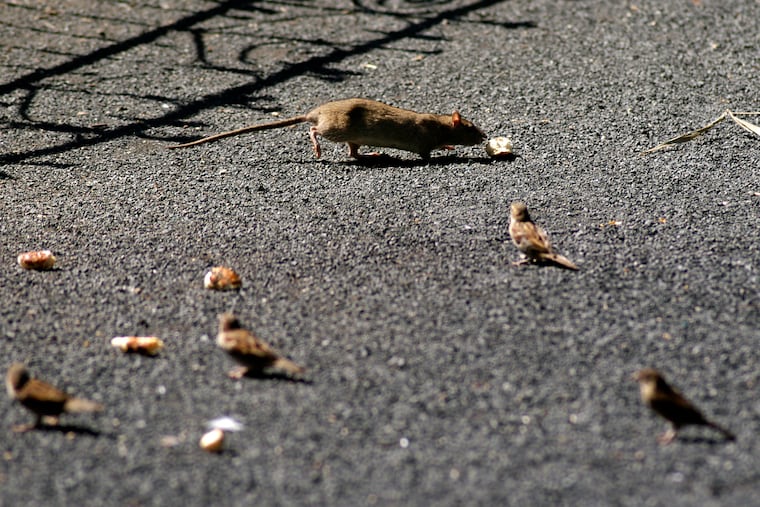
State officials said they are also monitoring cases of avian flu in wild birds after “an outbreak of wild bird deaths in various parts of the state.”
The rise in cases in wild birds, which started in November, affects a number of species of wild birds, “including but not limited to waterfowl, raptors, and scavenger birds,” officials said.
The New Jersey Department of Environmental Protection asked residents to avoid directly touching sick or dead wildlife. If they find a dead wild bird on their property and want to dispose of it, residents should wear personal protective equipment and thoroughly wash their hands and disinfect non-disposable gear afterward.
Dead birds should be double-bagged in trash bags with a zip tie and placed in an outdoor trash can that pets or other wildlife cannot access.