Penn Medicine reported a $109 million operating gain in the first quarter of fiscal 2026
The nonprofit health system had $3.3 billion in revenue in the three months that ended Sept. 30.
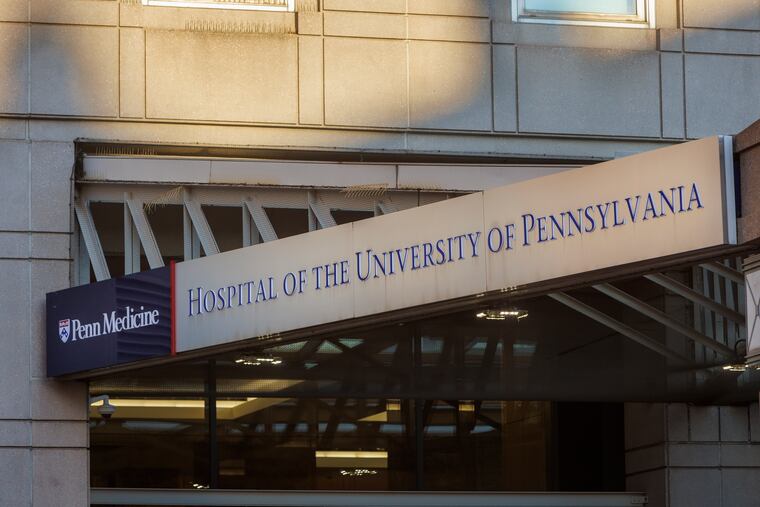
The University of Pennsylvania Health System had an operating gain of $109.3 million in the three months that ended Sept. 30, up from $49.3 million in the same period a year ago, the nonprofit reported to bondholders Friday.
Here are details:
Revenue: Total revenue was $3.3 billion, up from $2.8 billion a year ago.
This year’s results include Doylestown Health, which Penn acquired April 1. Doylestown Health’s total revenue in the corresponding quarter a year ago was $109 million. Doylestown also had an operating loss in that quarter.
Penn’s results in the first quarter of fiscal 2026 benefited from about $15 million in unusual gains, mostly settlements with insurers, the health system’s chief financial officer, Julia Puchtler, noted in a Nov. 6 presentation to a committee of the University of Pennsylvania’s board of trustees.
Patient volumes: Excluding Doylestown, Penn’s hospitals had a 5.2% increase in admissions, Puchtler told the trustees. Total admissions, including Doylestown, were 40,172, up 15% from 34,789 a year ago.
The health system saw some declines in outpatient orthopedic and general surgeries, but the drop-off was not as steep as it was last year, Puchtler said. Overall, Penn doctors, including those at Doylestown, performed 22,956 outpatient surgeries, up 10% from 20,814 last year.
Also notable: The average amount of time a patient spent in one of Penn’s seven hospitals was 5.91 days, down from 6.16 days in the same quarter last year. “That helped bolster our performance during the quarter,” Puchtler said.
This year’s average length of stay was the lowest in the first quarter since fiscal 2021, according to Penn’s reports to bondholders.