Penn opens $376 million immunology center with federal funding for research uncertain
A Penn researcher leading immunology research in the new facility wants to develop a portfolio approach to research funding.
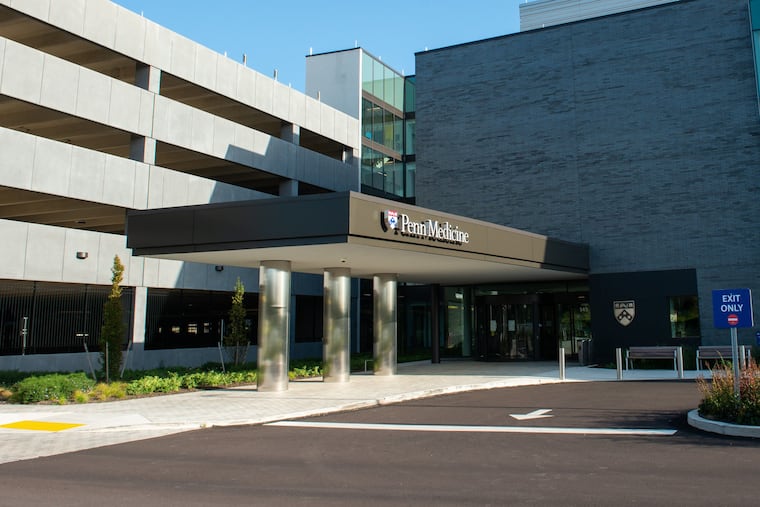
Penn Medicine’s new $376 million research facility, focused on immune health, was planned years before the administration of President Donald Trump this winter began slashing federal scientific research funding.
The changed funding climate has become a significant aspect of daily life for researchers who celebrated its official opening last week, said E. John Wherry, director of Penn’s Institute for Immunology and Immune Health.
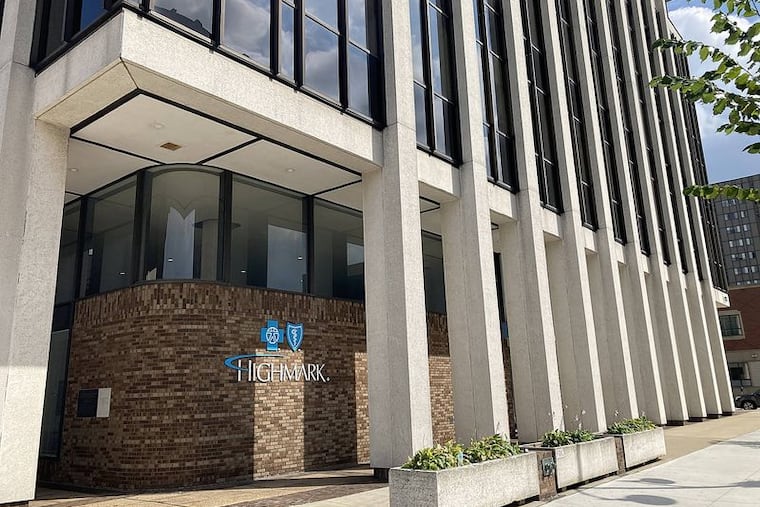
Penn’s eight-story expansion, built on top of an existing office building at 3600 Civic Center Blvd. in University City, will provide a new home for several hundred researchers in immune health, the Colton Center for Autoimmunity, and infectious diseases.
Penn is consistently among the nation’s top recipients of National Institutes for Health grants. The university’s total in fiscal 2024 was $691 million, according to NIH. The White House had proposed cutting NIH funding by 40%.
“We have to adapt,” Wherry said.
Penn paid construction costs with some of its roughly $2 billion in royalties from COVID-19 vaccines. Nobel Prize-winning Penn researchers Drew Weissman and Katalin Karikó developed technology that helped make the quick development of vaccines that saved millions of lives during the pandemic.
One strategy behind bringing together researchers with different specialties is to increase the chances of creating a platform for further research and development that will be attractive to the private sector, foundations, and philanthropists, Wherry said.
The goal is to “build a portfolio of research funding that’s much more like what you think of as your retirement portfolio, not just any one investment,” he said. It differs from the NIH model, which Wherry described as “as very individual shots on goal, very specific projects for specific purposes.”
The Colton Center for Autoimmunity is the centerpiece of the new research complex. It is named for philanthropists Stewart and Judy Colton, who gave Penn a total of $60 million in 2021 and 2022. Penn matched the Coltons’ gifts with $50 million.
The center researches treatments for autoimmune conditions such as multiple sclerosis, rheumatoid arthritis, lupus, and type 1 diabetes. Such disorders cause the immune system to attack healthy cells. About 8% of the U.S. population has an autoimmune disease.
Since the Coltons made their donations to Penn, autoimmunity researchers there have secured $10 million in federal grants, Wherry said. A separate gift of more than $4 million additionally funded work on a specific autoinflammatory disease, he said. Researcher Jonathan Miner is leading that effort.
“We’re seeing some foundation money coming in as well in areas related to immunology because of these efforts,” Wherry said.
The Colton Center at Penn is part of the Colton Consortium for Autoimmunity, which includes researchers at New York University, Yale University, and Tel Aviv University.
The new facility will also house the High-Throughput Institute for Discovery, a specialized lab enabling testing on patient samples to help make diagnoses and guide treatments, and a Biosafety Level 3 lab, which is specially equipped to handle infectious disease specimens.