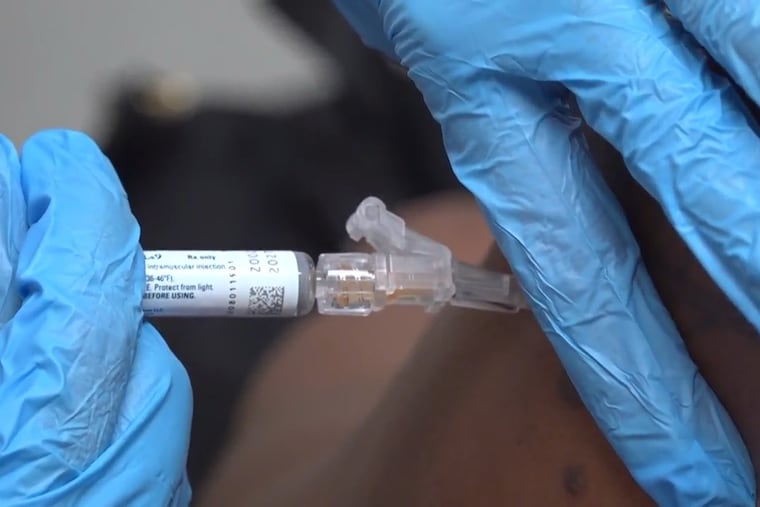
Quality Community Health Care, a North Philly clinic, had a troubled record before suspension
The health center has until May 2 to file its financial audit for fiscal 2021, federal regulators said in their letter suspending the clinic for 30 days.
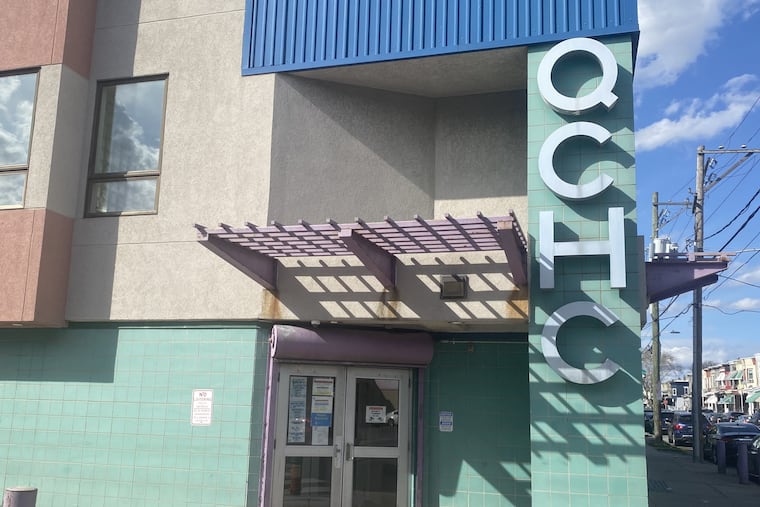
Federal regulators warned Quality Community Health Care Inc. 14 times over 3½ years that the clinic was delinquent on filing four audited financial reports covering a time period when the clinic collected nearly $13 million in federal grants.
The warnings started in May 2022, about six months after the North Philadelphia clinic lost its nonprofit status — a requirement for federally qualified health centers like Quality, which are meant to provide primary and dental care for low-income and underserved communities.
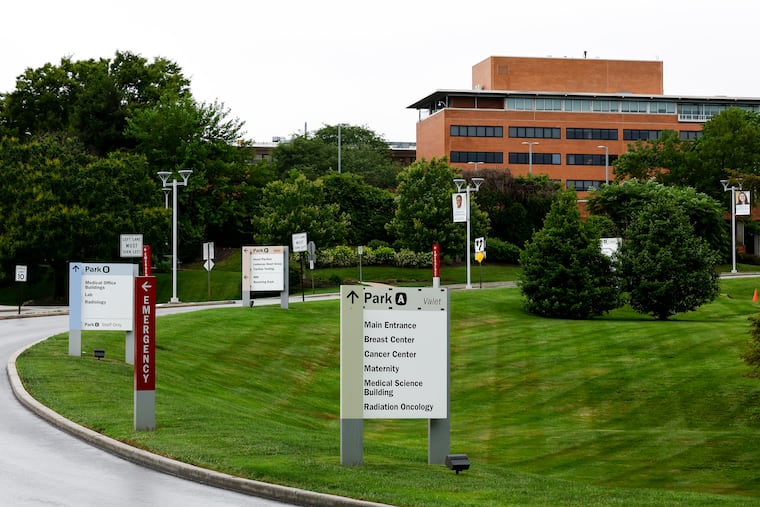
Following a rare 30-day suspension this month, the clinic at 2501 W. Lehigh Ave. now faces a May 2 deadline to produce an audit for fiscal 2021, or risk the termination of the annual grants.
The clinic also has overdue audits covering 2022 to 2024. The most recent audit, for the year ended July 31, 2020, was completed in March 2024. The audits are required to ensure that the grants are being used as intended.
The clinic’s most recently filed nonprofit tax return was for the year ended July 31, 2018. Nonprofit tax returns are designed to allow the public to monitor who is on the board, how the institution is faring financially, how much it pays executives, and whether related parties, such as family members, are benefiting from the nonprofit.
The suspension follows years of turmoil at the clinic that opened in 1981.
During a period of time in 2024, employees got paid by Venmo or Cash App, according to former employees and management emails. After paychecks bounced in September 2024, CEO Helen Wilkinson said in an email that the organization would pay employees an extra $100 to make up for bank penalties “as a token of respect, caring, and appreciation.”
Wilkinson agreed to meet with an Inquirer reporter on Monday, having promised “total transparency” in an earlier text. At that meeting, she and other managers refused to answer a reporter’s questions.
Current board chair, Lenore Sears-Gay, was invited by Wilkinson to Monday’s abbreviated meeting but did not attend. She also did not respond to an earlier request for comment.
Ala Stanford, a physician who is running for Congress, is the best-known member of the board, which has 10 members according to recent minutes. Through a spokesperson, Stanford declined to comment.
Two other board members, Sears-Gay and Hank Bookard Jr., are running for state party roles, according to the Feb. 19 minutes. Other members are less prominent. Federally qualified health center rules require that a majority of board members must be patients. Others are supposed to be from the community served by the clinic.
Federal regulators did not respond to a question about why they allowed the clinic to be out of compliance for so long. The suspension means that the clinic no longer has access to higher Medicare and Medicaid rates and federal medical malpractice insurance.
Long-running challenges
The current troubles at Quality Community Health Care are unusual, experts said.
“Suspension of a health center’s federal funding is a very rare event. In fact, I am not aware of any similar instance in Philadelphia in recent decades,” said Natalie Levkovich, CEO of the nonprofit Health Federation of Philadelphia, an advocacy group for community health clinics.
Missing audits aren’t the only problem for Quality Community Health Care.
To comply with the grants they receive as nonprofits, federal clinics have to make annual data submissions showing how many patients they treated, along with clinical, demographic, and financial information about their patients. At Quality Community Health Care, those reports have been a source of turmoil.
In 2023, Quality Community Health Care settled a whistleblower complaint by a former chief medical officer who said she was fired after refusing to sign a data submission containing what she suspected were inflated patient numbers. The terms of the settlement were not disclosed.
Feb. 19 board meeting minutes indicate that the clinic sent in its 2025 patient data on time. Those numbers are separate from the financial audits.
But an outside reviewer hired by the government responded on March 8 with questions directed to the clinic’s director of finance and other staff members about numbers that didn’t mesh, according to a document obtained by The Inquirer. For example, total patients decreased 5%, but total visits increased 14.6%, the reviewer noted.
Staff turnover, delays in ensuring that temporary doctors had proper credentials, and problems capturing proper billing codes during the first half of the year may have been factors in the clinic’s reporting problems, the reviewer said.