How to shovel a ton of snow safely
About 100 people a year die from heart attacks brought on by shoveling snow. Thousands more wind up in the emergency department with chest and back pain and other problems.
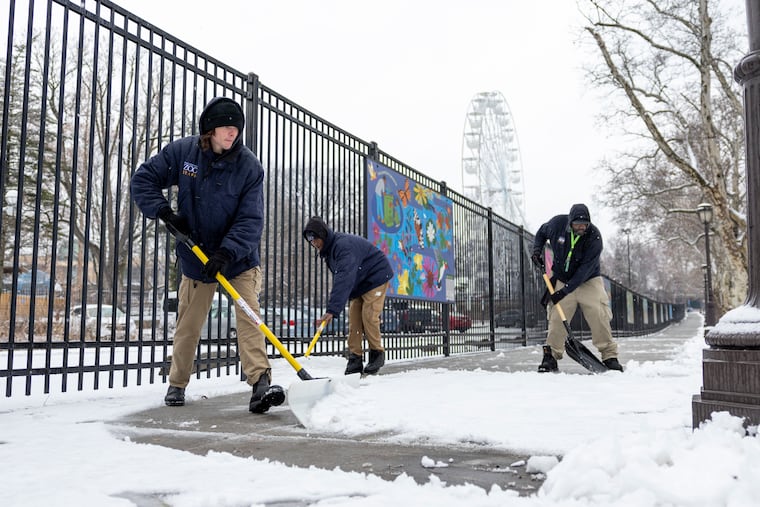
With a significant snowfall expected in the Philadelphia region this weekend, doctors are urging people to be cautious when digging out.
About 100 people a year die from heart attacks brought on by shoveling snow. Thousands more wind up in the emergency department with sprains, strains, chest pain, and other heart problems.
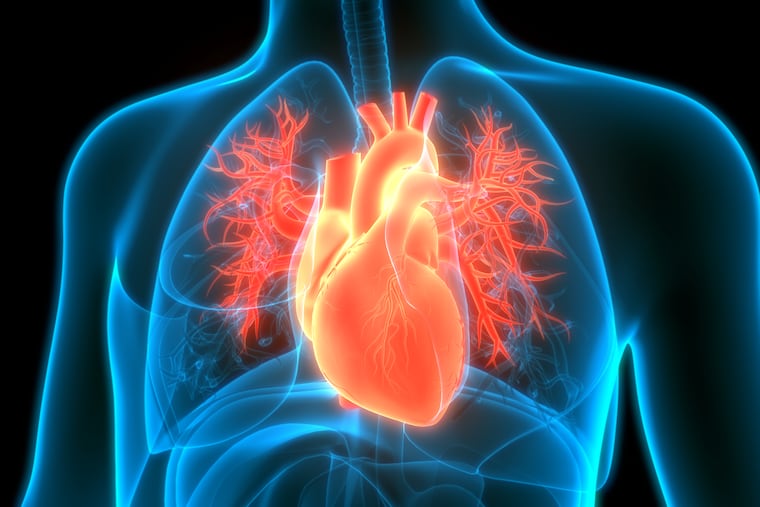
Shoveling may not seem like a cardio workout, but it can put as much strain on your heart as a treadmill stress test, according to the American Heart Association. People often mistakenly lift with their arms, which is more taxing on the heart than lifting with their legs. In extreme cold, blood vessels constrict to conserve heat, but that can further elevate blood pressure.
People with a history of heart problems, smoking, or obesity may be especially at risk.
In the Philadelphia area, shovelers are more accustomed to an inch or two of powder or slush. This weekend’s storm, which could bring several times that, will be a bigger and more dangerous challenge, said Jonathan Stallkamp, a senior vice president and chief medical officer for Main Line Health, a nonprofit system with four hospitals in the Philadelphia suburbs.
“All of a sudden your heart goes from beating normally, and now you’re putting in this additional heavy work of shoveling,” said Stallkamp.
Here’s how to shovel safely and make sure the upcoming storm isn’t your downfall.
Ask for help
The best way to prepare for clearing massive amounts of snow is to make sure you’re in good physical shape, said Stallkamp.
Shoveling uses muscles people may not be accustomed to exercising, and puts stress on the heart.
“A lot of our older community members aren’t in as good shape as they think,” Stallkamp said.
He encouraged people to be realistic about their abilities, and ask for help from a younger neighbor or relative, if possible.
Some cardiologists say that anyone over age 45 should use extra caution when shoveling.
Treat it like a sport
Prepare to tackle snow the way an athlete would prepare for a big game: Drink lots of water, avoid caffeine (which can raise blood pressure), and wear the right gear (mittens are generally warmer than gloves). And don’t forget to stretch. Warming up your joints, and muscles in your legs, arms and back will reduce the risk of injury, according to Mayo Clinic.
Lift with your legs
Bending your knees to scoop and lifting with your legs will reduce strain on your back. Lifting with arms and back are more likely to result in a pulled muscle.
Shovel often
Stallkamp recommends getting out early, clearing snow as it falls, rather than waiting for the big event to be over. It’s easier to shovel an inch of snow multiple times than to dig out of a foot of snow. While the forecast for the Philadelphia region is still in flux, some forecasts suggest snow could turn to ice, which adds to the challenge of clearing driveways and sidewalks.
Ice will be easier to clear if it falls on a thin layer of snow, than directly onto pavement, Stallkamp said.
Keep fingers away from snowblowers
This maybe goes without saying, but Stallkamp said he’s seen it enough that he’s sending a clear warning: Do not put your hands inside the opening of a snowblower.
When a stick or chunk of ice gets stuck in a snowblower, people may instinctively reach in to try to dislodge the object.
“But once that jam clears, those blades spin and your fingers go with it,” he said.
Take breaks and warm up
Mayo Clinic experts recommend taking breaks to check in with your body. If you feel out of breath, lightheaded, or just off, go inside to warm up and relax.
With ice in the forecast, Stallkamp recommends taking steps to keep your house warm if your home uses electric heat and you lose power.
Generators can help restore enough electricity to turn the heat on, but they should be kept as far from the house as possible and never used inside. Generators produce large amounts of carbon monoxide that can be deadly, especially in the winter when windows and doors are closed up.
If possible, turn up the heat in advance, so your home stays warm longer if power goes out.