Temple’s new AI tool helps keep blood sugar in check for patients with diabetes
EndoTool Sub-Q analyzes patient data to make custom insulin dose recommendations.
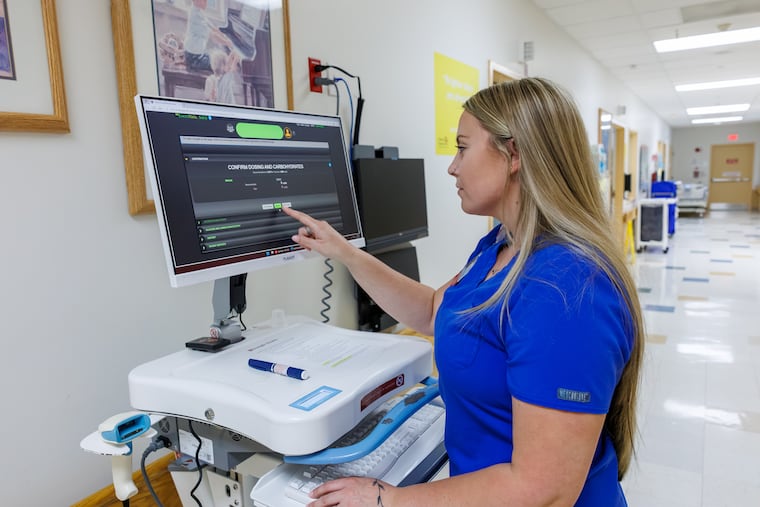
Artificial intelligence is helping Temple Health prevent patients with diabetes from experiencing dangerous swings in their blood sugar levels, administrators say.
The North Philadelphia health system has seen a more than twofold reduction in the number of patients who develop a low-blood sugar condition known as hypoglycemia using an AI tool that anticipates when a patient is at risk.
Dangerously high or dangerously low blood sugar levels — called hyperglycemia and hypoglycemia, respectively — can cause seizures, kidney failure and can be deadly if untreated. Temple’s interest in AI solutions come as federal regulators cast an increasingly discerning eye toward monitoring the health of diabetic patients as a measure of hospital safety and quality.
Yet despite their increasing popularity in healthcare, AI applications like Temple’s are rolling out with unknowns. Some nurse advocates have raised concerns about whether these tools are as beneficial as they claim.
At Temple, administrators say they are taking a measured approach to adopting new AI by first testing tools in small-scale pilot programs, and reviewing their overall AI strategy every three months.
“Our goal is not to chase shiny objects, but to approach these tools with thoughtful evaluation,” said Ben Slovis, chief medical information officer at Temple University Hospital.
Temple’s tool for diabetic patients is among the growing ways hospitals are using AI in an attempt to improve patient care. St. Luke’s Health Network is using an AI monitoring tool to anticipate cardiac arrest and reduce ICU transfers. Jefferson Health and Penn Medicine use ambient listening tools to record doctor-patient conversations, distilling the critical details into a well-organized visit note.
Diabetes is a particular focus at Temple because as of this year, hospitals must report more data to the U.S. Centers for Medicare and Medicaid Services about patients who experience these complications, and could face financial penalties if CMS determines they aren’t doing enough to prevent extreme swings in blood sugar levels.
Custom diabetes monitoring
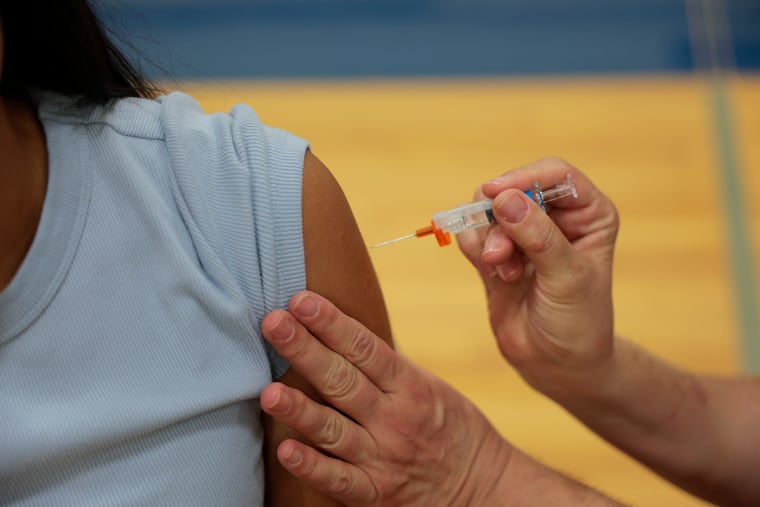
People with diabetes meticulously monitor their blood sugar levels, giving themselves injections of insulin when needed to keep blood sugar from rising too high.
But blood sugar can be more difficult to regulate in the hospital, away from their routine activity and diet. Depending on how sick they are, some patients may be eating very little or not at all.
That can lead to unexpected changes in blood sugar levels, which is why hospitals must monitor closely.
Temple began testing the program, called EndoTool Sub-Q, in 2022 and completed rolling out the program to all hospitals in 2025.
Typically, doctors and nurses use a standardized sliding scale to determine how much insulin a patient needs based on their current blood sugar levels.
EndoTool uses so-called predictive modeling to analyze many more patient characteristics, such as height, weight, metabolism, and kidney function to create custom insulin dosing recommendations for nurses to review.
The tool becomes more responsive to each patient the longer it is used and the more it “learns” about the patient.
“It takes insulin dosing from reactive to proactive,” said Samantha Messick, a neuroscience intensive care unit nurse at Temple, who thinks the customized analysis helps her better monitor patients.
Maintaining human touch
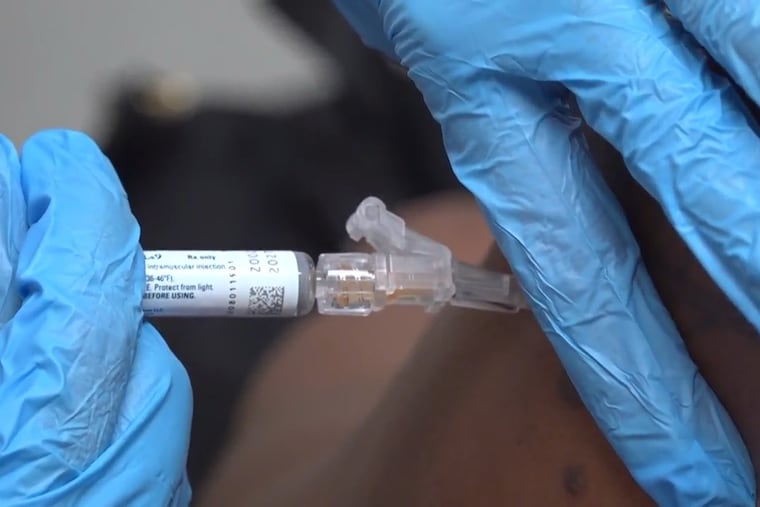
EndoTool requires a doctor or nurse to approve the dose and administer it — a check on the technology that ensures human contact remains a key part of the process, Slovis said.
Still, some nurse leaders worry that increased reliance on artificial intelligence will compromise critical thinking skills that are crucial for nurses who often must think quickly and respond intuitively to patients’ needs.
“You cannot take away the human aspect of care,” said Maureen May, a nurse at Temple who serves as president of PASNAP, the region’s leading nurses union. “AI can provide algorithms and tools that help, but the human eye is the most important.”