An Indonesian man was deported on Christmas after being arrested at a routine immigration appointment in Philly
The Trump administration has sought to enforce old deportation orders, and what were once routine meetings with federal authorities have become risky for immigrants, advocates say.
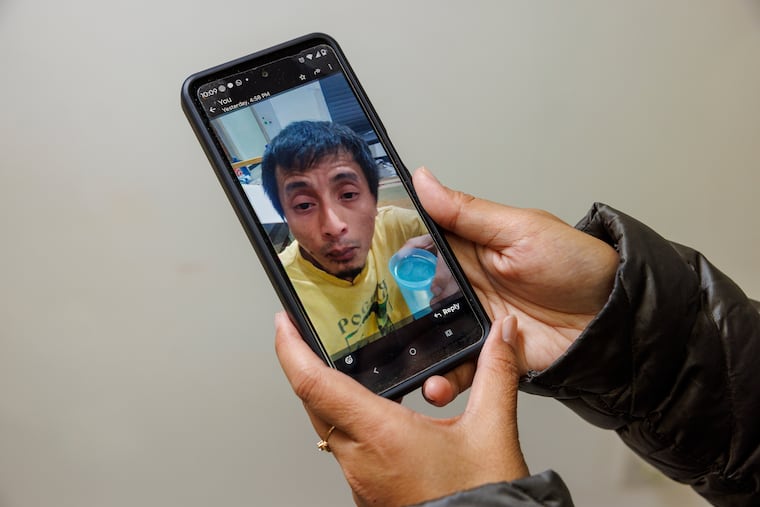
A longtime Philadelphia resident who was arrested by ICE at a routine immigration appointment has been deported to Indonesia, his family said.
Rian Andrianzah, 46, walked into a Philadelphia office of U.S. Citizenship and Immigration Services on Oct. 16, expecting to be fingerprinted and photographed and sent home, but instead was taken into custody and placed in detention.
On Christmas night he was flown to Jakarta, the Indonesian capital, leaving behind his wife, also of Indonesia, and two children who are American citizens.
The case angered the city’s Indonesian community ― and placed Andrianzah among a growing number of immigrants who have shown up for routine immigration appointments or check-ins, only to be handcuffed and taken into detention.
Green-card applicants, asylum-seekers, and others who have ongoing legal or visa cases have been unexpectedly detained in what lawyers and advocates say is a Trump administration strategy to boost arrests and deportations.
“It’s frustrating, because we’re going to be able to bring him back in the next few months,” said Philadelphia immigration attorney Christopher Casazza, who represents Andrianzah and his family. “They deported him simply [to gain] a statistic.”
He expects Andrianzah could be able to return to the United States in the summer, via a legal process that could grant status to his wife and, through her, to him.
Andrianzah’s wife, Siti Rahayu, 44, has a strong case to be awarded a T visa, the family’s lawyer said. That visa offers permission to live in the U.S. and a path to permanent residency and citizenship. As her husband, Andrianzah would receive those same benefits under her visa, said Casazza, of the Philadelphia firm Palladino, Isbell & Casazza LLC.
Rahayu said in a text message that she was distressed and not up to discussing her husband’s deportation. Others said his removal hurts the family and the community.
“Rian’s absence means a family without their father and our community without a friend,” said Kintan Silvany, the civic-engagement coordinator at Gapura, which works to empower local Indonesian Americans. “A warm, friendly face will no longer be seen at our annual festivals and cultural events. ICE has taken a beloved member who helped us and the folks around him.”
Andrianzah, meanwhile, like other deportees faces a return to a homeland transformed by time, where family ties have dwindled and emotional and financial hardship looms, his lawyer said.
Immigration and Customs Enforcement officials were unable to immediately reply to a request for comment.
A T visa can be available to people who have been victims of human trafficking. It offers a near-blanket waiver on past immigration violations. Authorities say the issuance of T visas offer protection to victims while enhancing the ability of law-enforcement agencies to detect and prosecute human trafficking.
Andrianzah legally entered the United States on a visitor’s visa in February 2000, but did not return to Indonesia before it expired. He was placed in removal proceedings in 2003, and a judge issued a final order of deportation in November 2006. His appeal was denied two years later.
The removal order was never enforced, as had been common for those the government then saw as low-priority immigration violators. Some people with final orders have lived in the U.S. for decades.
Since then Andrianzah worked factory and warehouse jobs, and married. He and his wife made a home in South Philadelphia and became parents of a son, age 8, and a daughter, 15, both U.S. citizens.
Andrianzah and his wife went to USCIS that October day as part of her T-visa application. In an interview with The Inquirer, Rahayu said she was sent to the U.S. in 2001 by relatives who saw her as a means to pay off a debt, delivering her to an underground organization that puts people in low-paying jobs, then keeps them working indefinitely. Her work would help pay the debt owed by her relatives.
Rahayu said that on Oct. 16, she completed her own biometrics appointment, then grew concerned when her husband did not appear. She soon learned he had been arrested.
Some immigrants are required to appear every couple of weeks, some once a month, others once a year. The appointments help immigration officials keep track of people who in the past have been low priorities for deportation.
Biometrics appointments are usually brief sessions at which the government captures fingerprints, a passport-style photo, and a signature. The immigrant may also be asked to provide information like height and weight.
Despite the fresh risk of being arrested on the spot, immigrants have little option except to show up. Many types of immigration applications require in-person appearances. And failure to appear for a required ICE appointment can by itself result in an order for removal.