Philly’s Carnaval de Puebla canceled again amid ICE concerns
“We are not scared of ICE; it is not fear that drives us,” said Edgar Ramirez.
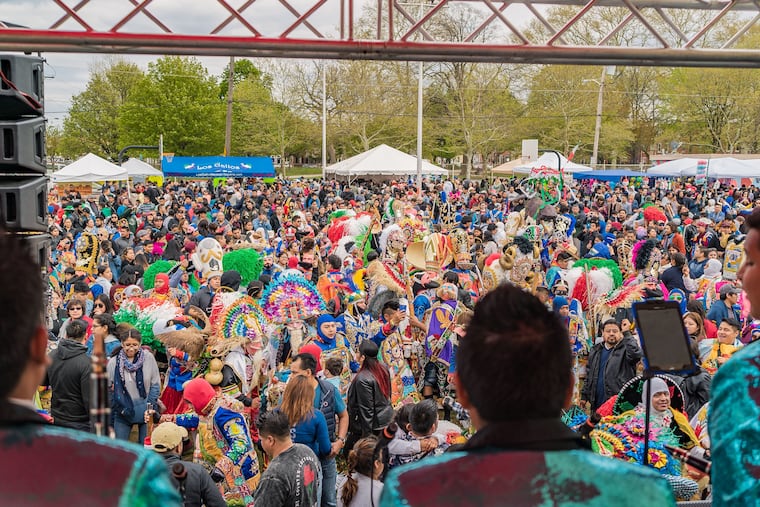
El Carnaval de Puebla, one of the biggest yearly celebrations of Mexican culture in Philadelphia and on the East Coast, is not returning in 2026.
For the second year in a row, the current immigration policies have overshadowed the festival that commemorates the Battle of Puebla traditionally celebrated on May 5, but not for the reasons one might expect.
“We are not scared of ICE; it is not fear that drives us,” said Edgar Ramirez, founder of Philatinos Radio and a committee member for San Mateo Carnavalero. “Many of the people who attend the carnival are second or third generation, but we are living at a time where the feeling of rejection is palpable, and it is not a suitable environment.”
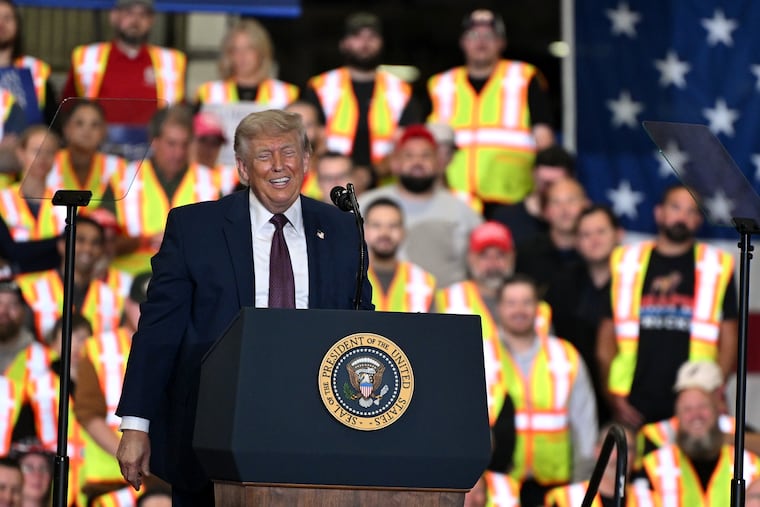
El Carnaval de Puebla has been a long-standing tradition for the city since 2005, stopping only during the pandemic, the first year of Donald Trump’s presidency in 2017, and last year following his reelection, as concerns for attracting immigration enforcement actions arose.
Since Trump’s reelection, the number of immigrants in federal detention facilities has increased beyond 65,000, a two-thirds increase since he took office last January.
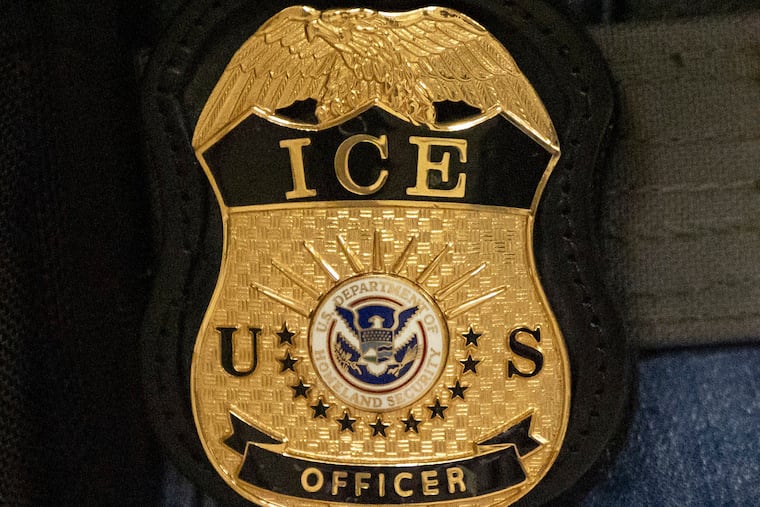
South Philadelphia has been particularly affected by Immigration and Customs Enforcement raids. Most recently, five men were arrested in a South Philly Park in September, when they stopped for a drink in celebration of Mexico’s Independence Day before going to work.
Such uncertainty over when ICE might strike puts festival attendees at risk, making it harder to find sponsors and generate enough revenue to pay for city permits and requirements to hold the event, said committee member Olga Renteria.
“It’s hard to ask people to invest when there is no certainty that the carnival will be able to drive the success of previous years,” said Renteria, who noted that over 15,000 people attended the carnival in 2024. “The carnival is about family, sharing, drinking, enjoying yourself, and right now, any excuse is good enough to arrest someone; one incident is enough.”
For the community, this feels like a loss of space, both literally and figuratively.
Longtime carnival attendee Alma Romero looked forward to seeing people in traditional attire, dancing and parading on Washington Avenue, triggering memories of her home in Puebla once a year.
“The carnival would have been good to lift our spirits, just as the Day of the Dead celebrations did,” Romero said, referring to the Ninth Street Corridor festivities in November that commemorate loved ones who passed away. “Without it, it feels like a sense of pride and unity is missing; now we just carry it in our hearts.”
After having attended the parade at all 19 past El Carnaval de Puebla events in Philly, Karina Sanchez, too, feels that sense of loss.
“I understand it’s important for the community to feel safe, but it’s sad to see us shrinking ourselves,” Sanchez said. “When that sentiment grows, it is not a loss just for us, but for Philadelphia as a whole.”
Currently, there are no plans to replace El Carnaval de Puebla, but there is hope among many for a return.
“We have to come back,” Ramirez said. “We must because we are part of this city too, and things have to get better at some point.”