Roundup cases led to eye-popping Philly verdicts. Will that change because of the Supreme Court?
There are 462 active cases in Philadelphia against Monsanto, the agricultural giant owned by Bayer, over claims that use of Roundup weedkiller caused cancer.
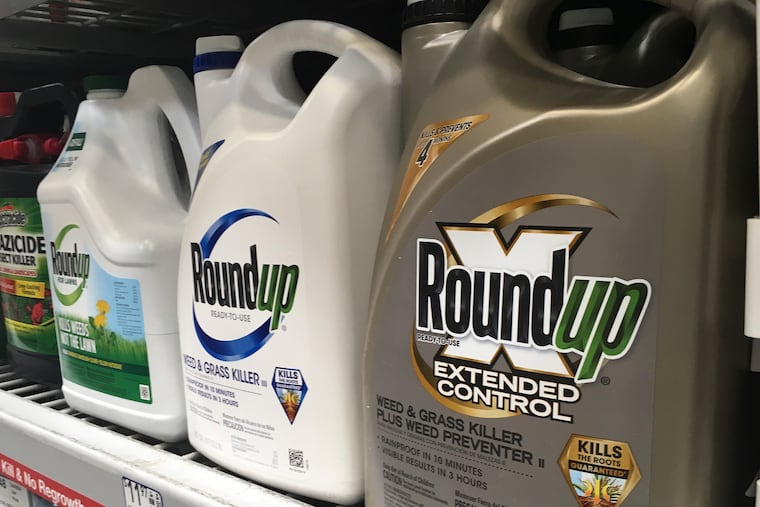
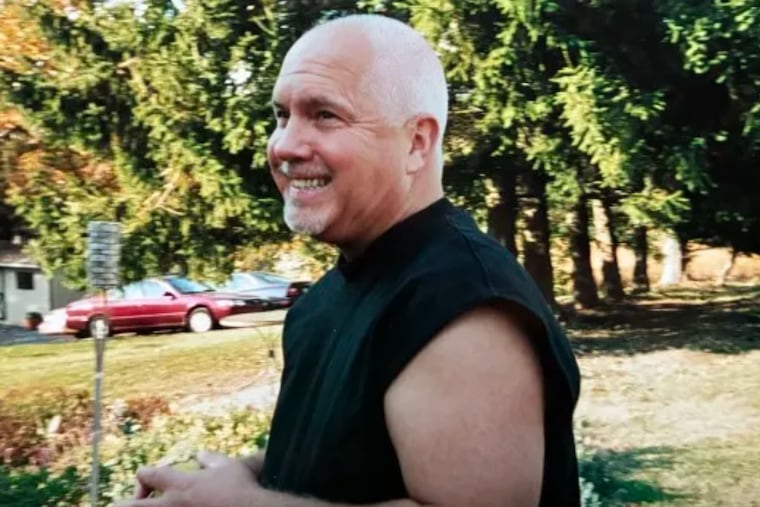
The largest verdict issued by a Philadelphia jury in recent years came out of a trial in which a Pennsylvania man accused agricultural giant Monsanto’s weedkiller, Roundup, of causing his blood cancer.
The jury awarded John McKivison $2.25 billion in 2024.
The Lycoming County man was not the only one who has sued the German company. Thousands of cases are pending against Monsanto nationwide, including 462 active lawsuits in Common Pleas Court in Philadelphia alone.
But on Thursday, the U.S. Supreme Court limited the types of claims that people who believe they developed cancer because of Roundup can argue in state courts.
Here is what you need to know about the Monsanto Co. v. Durnell ruling and how it will affect Monsanto litigation in Philadelphia.
What did the Supreme Court decide in ‘Monsanto v. Durnell’?
In a 7-2 ruling, the Supreme Court held that lawsuits against Monsanto in state courts cannot include a failure-to-warn claim.
The case arose out of Missouri, where a state court jury found that Roundup use caused John Durnell’s cancer, and that Monsanto should have included a cancer warning on the product’s label. Durnell was awarded $1.25 million for the company’s failure to warn him.
Monsanto appealed, arguing that the Environmental Protection Agency had concluded that glyphosate — the main chemical in Roundup — is not cancer-causing, so the label did not need a warning.
The case went all the way to the highest court in the land, which decided that states cannot force Monsanto to add anything to the EPA-approved label. So failure-to-warn claims cannot proceed in state courts, the Supreme Court said.
“In sum, federal law requires Monsanto to sell Roundup with the label that EPA approved at the initial registration and that EPA has subsequently reapproved on multiple occasions — that is, the label without a cancer warning," Justice Brett M. Kavanaugh wrote for the majority.
When it comes to pesticide labeling, Kavanaugh said, federal law preempts any state labeling requirement because it would force companies to deviate from the EPA-approved label.
Not all justices agreed. Justice Ketanji Brown Jackson wrote in a dissent, which Justice Neil M. Gorsuch joined, that adding a cancer warning would be in line with the federal law’s prohibition on misbranding.
What does the ruling mean for lawsuits in Philadelphia?
The ruling does not erase the 462 lawsuits in Philadelphia overnight.
Lawyers usually included multiple claims in each lawsuit in an attempt to advance different theories that could convince a jury a company is liable.
In the $2.25 billion case, the jury found that Monsanto did not adequately warn McKivison of Roundup’s cancer risk. But jurors also found that the company was negligent and that it sold a defective product.
While the ruling prohibits failure-to-warn claims from moving forward, Monsanto can still face lawsuits under other claims.
The Supreme Court ruling “narrowed the playing field,” said Tom Kline, the Kline & Specter attorney who represented McKivison. But “it’s not the end. It’s not lights out. It’s not game over,” he said.
Juries will have to answer fewer questions moving forward, Kline said.
Whether the ruling affects trial outcomes remains to be seen. So far Monsanto has lost four of the seven Roundup trials held in Philadelphia.
The ruling could also affect other product liability lawsuits against pesticide manufacturers, such as those against manufacturers of weedkillers that contain paraquat, a toxic chemical that has been linked to Parkinson’s disease.
“I think it’s part of a larger part of an industrywide strategy to piece-by-piece dismantle the tort liability for defective products,” Kline said.
What is Monsanto saying about the ruling?
The company said that the ruling would result in a dismissal of failure-to-warn claims, which according to Monsanto make up the “vast majority” of the litigation.
Bill Anderson, the CEO of Monsanto’s parent company, Bayer, said in a statement that the decision provides “regulatory clarity” and brings “overdue justice on an issue that should have been clarified much earlier.”
“This litigation has enormous costs for the company and has impacted public trust,” Anderson said.
The executive affirmed the company’s commitment to a proposed nationwide class-action settlement of up to $7.25 billion as part of the company’s “multi-pronged containment strategy” on Roundup lawsuits.
How does ‘Monsanto v. Durnell’ relate to the MAHA movement?
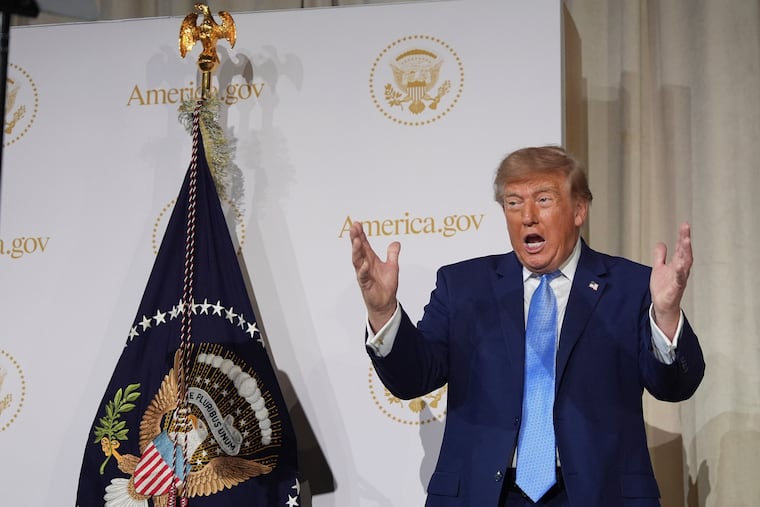
The case has put President Donald Trump’s administration in an uncomfortable position with the Make America Healthy Again movement.
Trump courted the movement during his campaign by recruiting Robert F. Kennedy Jr., whom he later appointed as his Department of Health and Human Services secretary. Before his turn to politics, Kennedy was an environmental lawyer who, in 2018, helped secure a $289 million verdict in the first Roundup cancer trial.
And while the Trump administration has adopted some of the MAHA movement’s rhetoric on ultraprocessed foods, it took a different approach to pesticides.
Trump’s solicitor general, John Sauer, filed briefs to the Supreme Court in support of Monsanto’s position on behalf of the White House, which drew the ire of MAHA supporters.
After the ruling, MAHA influencers expressed anger at the administration.
Kelly Ryerson, who is known online as Glyphosate Girl, posted Thursday on X that “never in history has an administration so blatantly and willingly sold out our fertility, vitality, and health to corporate interests.”
Vani Hari, another MAHA influencer who posts to millions of followers as the Food Babe, said on Instagram she was “devastated” by the ruling.
“We will remember who fought with us and who didn’t.”