Residents could be given bottled water after a ‘significant’ amount of gasoline leaked at Delco tank farm
The state DEP has ordered that nearby homes with wells be provided bottled water and that the company "begin an interim cleanup plan and thorough investigation."
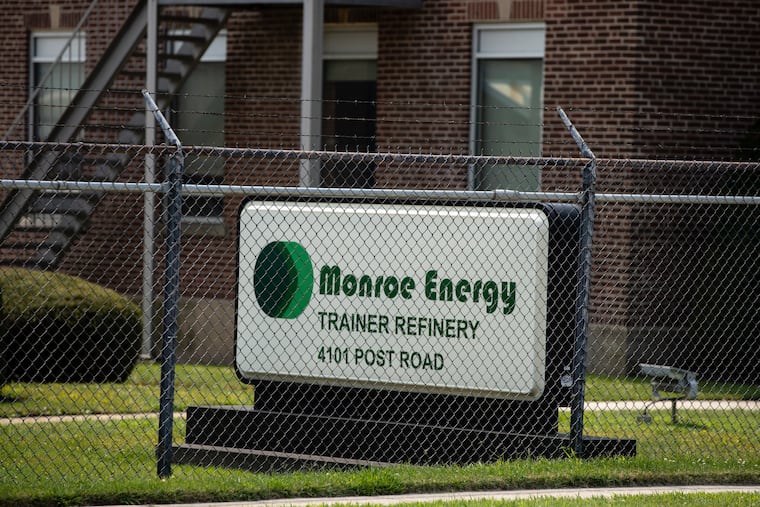
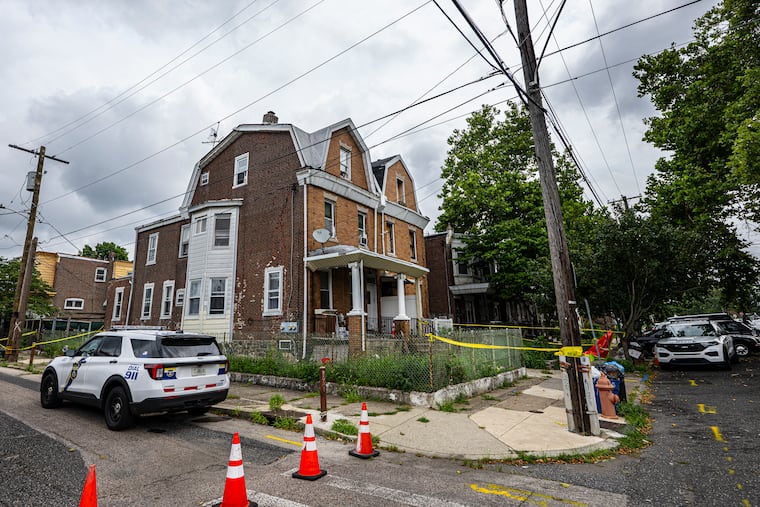
Hundreds of thousands of gallons of gasoline leaked over a period of months at a Monroe Energy petroleum tank farm in Aston, Delaware County, according to company and state officials.
The leak was first identified in August, and it was traced in December to a one-quarter-inch hole in the bottom of a tank. It totaled about 9,000 barrels, or 378,000 gallons, at the Chelsea Pipeline Station and Tank Farm.
The facility contains 12 aboveground tanks and is operated by MIPC LLC, a subsidiary of Monroe Energy. It is about five miles north of the company’s Delaware River refinery, which is in Trainer, Delaware County.
The Pennsylvania Department of Environmental Protection (DEP) said Tuesday it has ordered that some nearby homes with wells within 1,000 feet of the facility’s western border be provided bottled water if requested. And it ordered that the company “begin an interim cleanup plan and thorough investigation.”
MIPC said in a statement that it had notified local, state, and federal authorities. It said that on Dec. 13 crews determined that the source of the spill was traced to one tank.
It further said that an EPA-approved lab it had contracted tested residential wells, “and all results have shown no petroleum related compounds.”
MIPC said that the tanks are routinely inspected and that the company is conducting daily testing of monitoring wells along its fence line and inspecting local waterways.
“No further releases have been found,” the statement said.
“We sincerely apologize for any concern that this may be causing our neighbors,” the statement continued. “MIPC is committed to ensuring that the entire affected area is remediated and returned to its original condition.”
Adam Gattuso, a Monroe Energy spokesperson, said the leak is “considered one cumulative event, over the course of several months.”
He said that if people are within 1,000 feet of the facility’s western border and have a potable groundwater well and would like bottled water delivered to their home, the company would do so within 24 hours. He said the company will soon mail letters to those residents.
DEP Secretary Jessica Shirley said in a statement Tuesday that “swift action by the company is necessary to fully investigate the extent of damage and address the community’s needs.”
According to the DEP order, the first report of an issue came over the summer at the facility, where a series of aboveground tanks are part of a pipeline network.
The company notified county officials on Aug. 19 of hydrocarbons found in a storm sewer at the facility. It said no leaks were found, but there was “sheening” on the water.
MIPC did not know the source of the gasoline on the water and said it would continue investigating.
On Sept. 3, the company notified officials it “had discovered water with petroleum odors discharging from a concrete drainage pipe” leaking unleaded gasoline at a rate of five gallons per minute.
The DEP ordered MIPC to treat and discharge the contaminated water.
The agency said the company’s investigations from September through November found no signs of additional leaking.
The DEP had not heard from MIPC regarding any leaks until Dec. 5, when the company reported to the U.S. Environmental Protection Agency’s National Response Center “that the amount of gasoline released may be significant and was impacting soil and groundwater.”
It notified officials that the source of the leak had been found in the tank.
As a result, the DEP has ordered MIPC, in addition to supplying bottled water, to identify residents with private wells within 1,000 feet of the facility that spans Bethel, Upper Chichester, and Aston Townships.
And it ordered the company to sample private wells for petroleum, submit a plan to detect potential vapors near homes, schedule environmental investigations, submit a remedial plan, and communicate with officials and the public.
As of yet, the DEP has not cited any violations or issued any fines.
Editor’s Note: This story has been updated to include additional information about water bottle availability for residents.