Gladwyne Market is closing after its building sold for $5 million
The store will shut down by the end of October, and all employees will be transferred to the Market of Lafayette Hill.
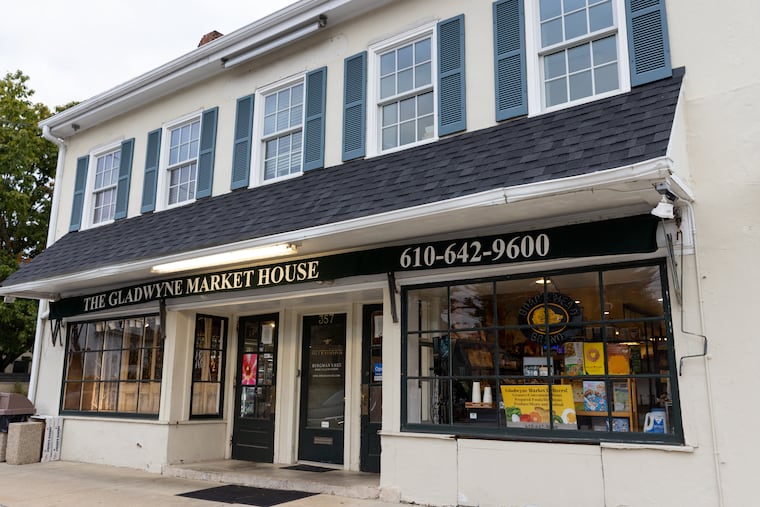
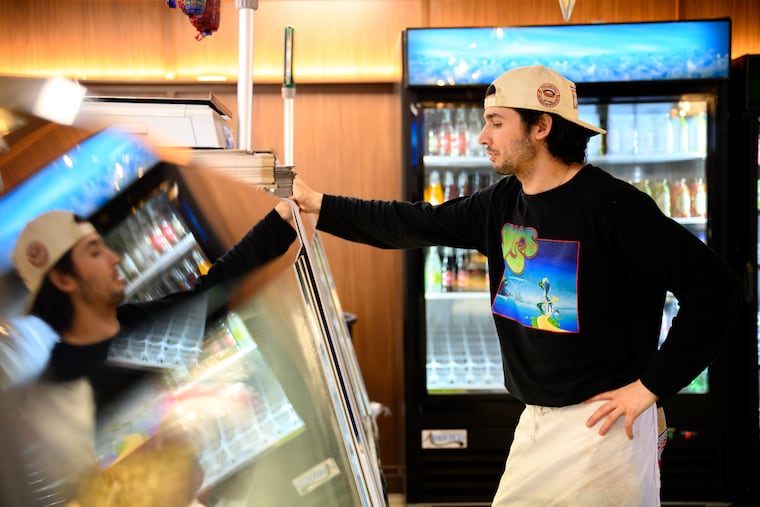
Gladwyne Market, a beloved community grocery store in Lower Merion, is closing.
Gladwyne Market’s building, located at 359 Righters Mill Rd., was purchased by RMR Property Holdings in April for $5 million, according to property records. In June, RMR Property Holdings purchased an adjacent parcel, 358 Righters Mill Rd., for $10.25 million.
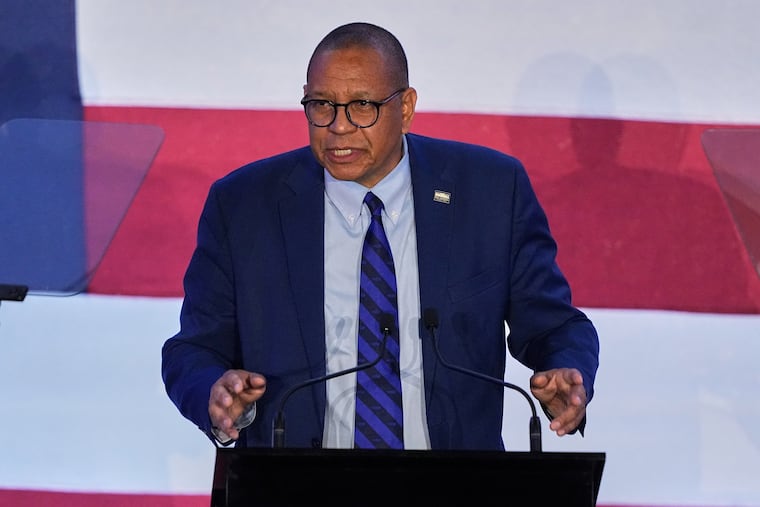
Gladwyne Market owner Pete Liccio said the building’s new owners want to use the space for something else and told the business they had to vacate.
“We tried to keep it open,” Liccio said.
Andre Golsorkhi, founder and CEO of Haldon House, the developer of the two properties, said there are no plans to bring residential development or chain stores to the site. Haldon House’s focus will be on creating “a bespoke community hub, that is consistent with historical architecture, and that is distinctly Gladwyne,” according to an email from Golsorkhi.
The mailing address listed for RMR Property Holdings on property records is the same Bryn Mawr address registered to Haldon House. Golsorkhi did not respond to questions about the relationship between RMR Property Holdings and Haldon House.
Golsorkhi said Haldon House plans to work “closely with existing and long-standing tenants to reimagine their spaces while supporting their continued presence in the village.”
Haldon House is owned by Golsorkhi and his wife, Autumn Oser. Golsorkhi grew up in Bryn Mawr.
Michael Daly, president of the Gladwyne Civic Association, said the new owners reached out “proactively” to start a dialogue and offered to attend a public meeting to present their plans.
“Our residents love the village, its historic buildings, and its mom-and-pop shops. They are right to be curious — even concerned — about how the properties will be used," Daly said in an email. “Based on what we’ve heard and seen so far, we’re hopeful that the historic buildings will be preserved tastefully and used thoughtfully. But we are very much in trust-but-verify mode.”
All employees of the Gladwyne Market will be transferred to the Market of Lafayette Hill, one of the Liccio family’s other businesses in the area. The Liccios own the Mainline Marketplace in Wayne, the Market of Lafayette Hill, and Knishes & Dishes deli in Lafayette Hill. Liccio said Gladwyne Market has around 11 employees.
“It’s not even about the money,” he said. “It’s about the people. It’s about the employees.”
358 Righters Mill Rd., the second parcel purchased by RMR Property Holdings, is currently home to Homeroom, a cafe by chef Henry Morgan. Morgan said the restaurant remains open for business and that he has had “nothing but positive communication with the new owners and are excited about their future plans.”

Inquirer Lower Merion
The corner of Righters Mill and Youngs Ford Roads, where Gladwyne Market is located, has been the site of local commerce for over a century. Its roots reportedly go back to the turn of the 20th century, when it was home to John Breen’s General Store.
The Liccios bought the market in 2009. At the time, the previous owners were experiencing financial troubles and called Liccio, their seafood deliverer, to ask him to take over, he said.
“We put 15 hard years into that place,” he said.
Sarah Keating, a Villanova resident who previously lived in Gladwyne for over 30 years, said Gladwyne Market “had the best prepared food ever.”
Though it was “ridiculous,” she said, her family bought nearly all of their groceries there. They kept a charge account and made use of the store’s grocery delivery service on busy days. Keating remembers the best bagels in the mornings, sandwiches for lunch, and hot grab-and-go dinners. The regular barbecue nights, complete with ribs and macaroni and cheese, were the best.
On Facebook, residents lamented the closure of the market, which they described as an institution in the small community. Some described “freshly prepared, delicious food.” Others said they would have “never survived” without the market’s grocery delivery, which predated now-ubiquitous services like DoorDash and Instacart.
This suburban content is produced with support from the Leslie Miller and Richard Worley Foundation and The Lenfest Institute for Journalism. Editorial content is created independently of the project donors. Gifts to support The Inquirer’s high-impact journalism can be made at inquirer.com/donate. A list of Lenfest Institute donors can be found at lenfestinstitute.org/supporters.