Lower Merion may raise parking meter rates for the first time since 1999
The township is set to pass multiple new ordinances next month, potentially raising parking costs, reducing the speed limit on Lancaster Ave., and regulating smoke and vape shops.
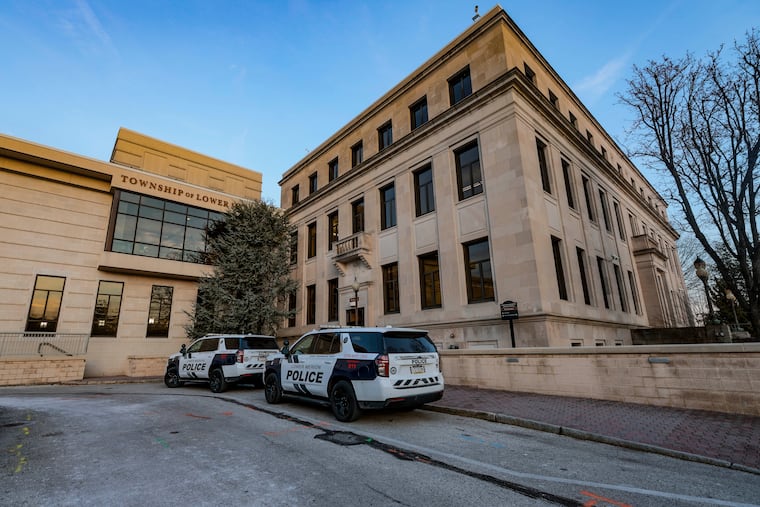
Lower Merion’s board of commissioners is set to put multiple new ordinances on the books next month, including policies raising parking meter rates for the first time since 1999, lowering the speed limit on parts of Lancaster Avenue, and regulating where smoke and vape shops can open in the township.
The smoke and vape shop regulation moved ahead last month, and the commissioners advanced the parking meter and speed limit changes Wednesday evening. Lower Merion’s assistant township manager, Brandon Ford, said the commissioners are poised to formally vote on all three proposals in December. Here’s everything you need to know.
Parking meter rate may go up
Commissioners on Wednesday moved forward an ordinance that would raise parking meter rates across Lower Merion for the first time in more than 25 years.
Under the proposed ordinance, parking would increase from 50 cents per hour to $1 per hour across the township, with the exception of six locations in Ardmore. Parking would go up to $1.50 per hour at Rittenhouse Place, Cricket Avenue, Cricket Terrace, and township-owned parking lots five (Cricket Terrace) and six (Schauffele Plaza). The Cricket Avenue Parking Garage would stay at 50 cents per hour.
Township staff say the proposed meter rate increase would generate around $900,000 annually and would likely drive quicker turnover in Lower Merion’s commercial corridor, generating more economic activity for local businesses.
“The rates that we are charging have not kept up with the overall cost for maintaining those parking meters, as well as our overall parking services program,” Ford said during a Nov. 5 meeting.
The ordinance, if passed, would not change how parking meter fees are collected. The township collects parking fees through meters, kiosks, and a mobile app.
Commissioner Scott Zelov, who represents Bryn Mawr, Haverford, and Gladwyne, said: “It certainly is time to do this.”
Lancaster Avenue speed limit reduction
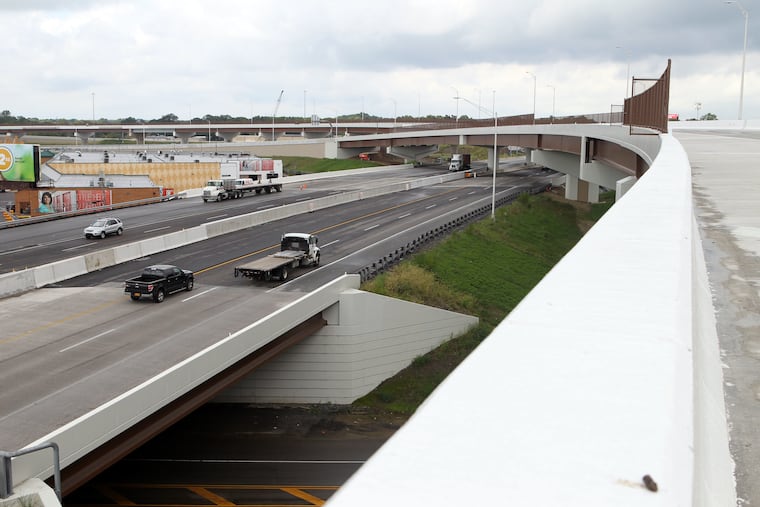
Lower Merion is set to reduce the speed limit on parts of Lancaster Avenue from 40 mph to 35 mph, bringing township code in compliance with an earlier speed limit change by the Pennsylvania Department of Transportation.
PennDot has already placed 35-mph speed limit signs on the selected strip of Lancaster Avenue. The board’s approval will bring the township in line with the state and allow township police to start enforcing the reduced speed limit. The speed limit change is the latest development in a major redesign of Lancaster Avenue by the state and the township.
A study conducted by PennDot earlier this year found that, out of nearly 20,000 vehicles traveling on Lancaster Avenue between Wynnewood Road and City Avenue during a 24-hour period, only 57% were driving at or below the 40-mph speed limit. PennDot considers the intersection of Lancaster Avenue and Remington Road to be a “high crash location.”
The ordinance, approved for advertisement on Wednesday, also bans right turns on red at three intersections: Lancaster Avenue and Remington Road for eastbound traffic, Lancaster Avenue and Haverford Station Road for westbound traffic, and Montgomery Avenue and Airdale Road for east-west traffic.
The township aims to place automated red-light cameras at all three intersections. The first red-light camera, at Remington Road and Lancaster Avenue, is in the process of being installed. Andy Block, Lower Merion’s superintendent of police, said the camera should be up and running by the end of the year.
» READ MORE: Red-light enforcement cameras set to come to Lower Merion
Smoke and vape shop zoning
Following a lengthy discussion that stretched across two meetings, the board of commissioners on Oct. 22 moved forward an ordinance that would decide where tobacco and vape shops can operate in Lower Merion.
Under the proposed ordinance, if a tobacco or vape shop wanted to open in Lower Merion, it would have to be situated at least 1,000 feet from any other tobacco or vape shop and 1,000 feet from any public or private school. The rule would also apply to hookah lounges.
Township staff said the 1,000-foot buffer would dramatically decrease the opportunity for smoke shops to operate in Lower Merion. Ford said there are currently around 1,000 properties in Lower Merion where smoke shops could operate. If the buffer ordinance were to be implemented, that number would drop to 300.
While some commissioners inquired about creating a larger buffer, officials said doing so would likely zone smoke shops out of Lower Merion entirely, which would give smoke shop owners the legal claim to build anywhere in the community.
During an Oct. 17 discussion of the ordinance, Commissioner Anthony Stevenson, who represents Ardmore and Haverford, said: “We need to avoid the continuation of making our township, and particularly in the Ardmore area, a vape central.”

Inquirer Lower Merion
This suburban content is produced with support from the Leslie Miller and Richard Worley Foundation and The Lenfest Institute for Journalism. Editorial content is created independently of the project donors. Gifts to support The Inquirer’s high-impact journalism can be made at inquirer.com/donate. A list of Lenfest Institute donors can be found at lenfestinstitute.org/supporters.