The lower Schuylkill is up for Pennsylvania’s River of the Year. Voting is open.
Online voting is open through Jan. 16 for Pennsylvanians to choose next year’s winner from three nominees: Chillisquaque Creek, Conestoga River, and the Lower Schuylkill.
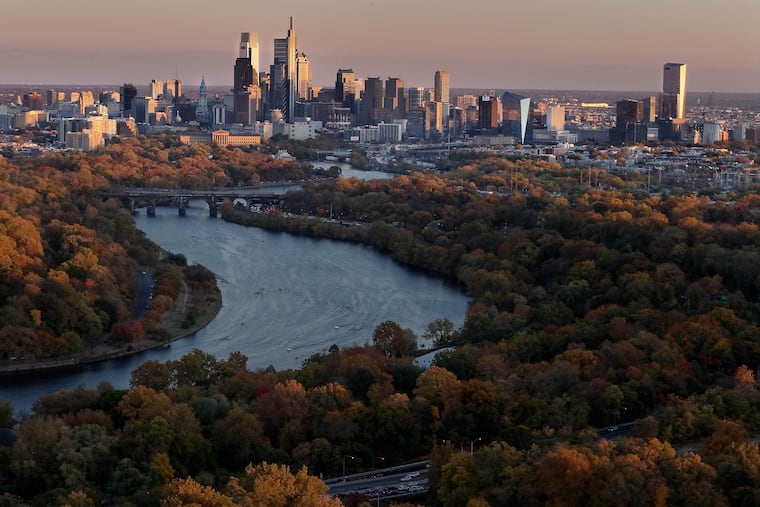
The lower Schuylkill winds 36 miles from Phoenixville in Chester County to its tidal meeting point with the Delaware River at Philadelphia’s Navy Yard, sheltering more than 40 species of fish along the way.
In Center City, the river doubles as a striking urban backdrop, bordered by a trail that can draw thousands of hikers and cyclists daily.
This year, the waterway is vying for the title of Pennsylvania’s River of the Year, an annual competition spotlighting the state’s most significant waterways.
Online voting, which began Dec. 9, runs through Jan. 16, giving Pennsylvanians the chance to select the 2026 winner from three contenders: Chillisquaque Creek, the Conestoga River, and the lower Schuylkill in the Philadelphia region.
The River of the Year program is administered by the Pennsylvania Organization for Watersheds and Rivers, with funding from the Pennsylvania Department of Conservation and Natural Resources (DCNR).
The contest is meant to draw public attention to rivers and their environmental importance. The winning river’s nominating organization receives a $15,000 DCNR grant to fund yearlong celebrations, including paddling events and community activities. The DCNR produces a commemorative poster in honor of the river.
Jackson Quitel, river programs coordinator for the nonprofit LandHealth Institute, said his organization nominated the Schuylkill along with a plan to educate the public “in the many wonders in this unique body of water.”
“While the Schuylkill River is widely known, not many people are aware of the immense recreational activities and ecological wonders that are present on the river today,” Quitel said.
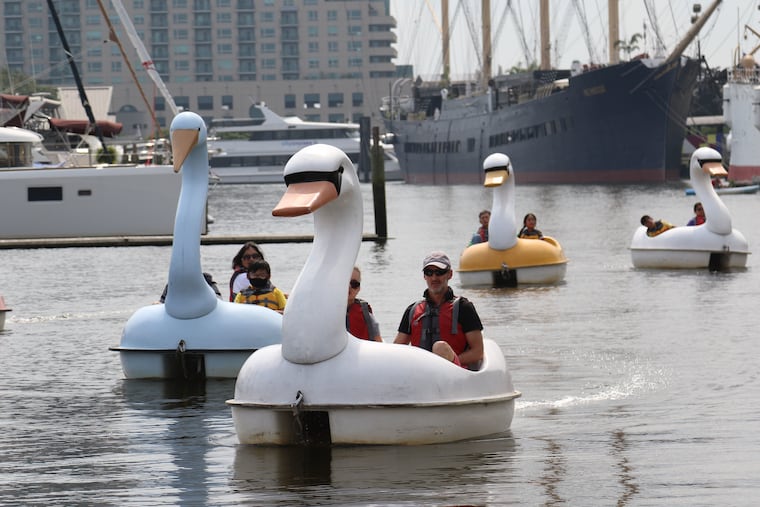
The LandHealth Institute helps increase awareness of the river through guided walks, fishing, and kayaking, taking more than 500 people out on the water in 2025. If the Schuylkill wins, Quitel said, it would allow the group to double its reach.
Joe Syrnick, executive director of the nonprofit Schuylkill Development Corp., which helped develop the Schuylkill Banks trail along the river, called the river “a great asset to the region.”
“It would be nice to see it get the recognition it deserves,” Syrnick said.
Once a vital waterway for the Lenni-Lenape, the river later endured severe pollution from upstream coal mining and industrial waste, eventually rebounding through years of efforts, including the protections of the federal Clean Water Act.
The Schuylkill became the nation’s first municipal‑scale water system through Fairmount Water Works and continues to provide drinking water to 1.5 million people through two intakes along its banks.
The Schuylkill River Trail, a continuous corridor running alongside most of the lower Schuylkill, has broadened access to the river’s views for residents, giving them more insight into a river many were once cut off from.
Most recently, the Schuylkill Banks section in Center City debuted a new $48 million cable‑stayed, pedestrian‑only bridge, anchoring a trail extension known as the Christian to Crescent Trail Connector. The 2,800‑foot segment delivers sweeping, unobstructed views of the river.
The DCNR describes the lower Schuylkill as an “urban oasis surrounded by bustling roads and a backdrop of a gorgeous skyline.”
Pennsylvania has 25 rivers. Of those, six are federally designated as wild and scenic and 13 are state-designated scenic rivers.
Contest nominees can also include tributaries within river watersheds. For example, Chillisquaque Creek is a 20 mile-long tributary of the Susquehanna River’s west branch. It flows through Northumberland and Montour Counties.
The Conestoga, meanwhile, feeds Chesapeake Bay.
Overall, Pennsylvania has 85,000 miles of waterways, which is the highest stream density in the continental United States.
The Delaware was the 2025 river of the year.