Sesame Place’s future is in flux as lawsuit accuses park owner of failing to pay royalties
Sesame Workshop, a nonprofit that owns the rights for the beloved Sesame Street brand, is accusing SeaWorld of having failed to pay park royalties.
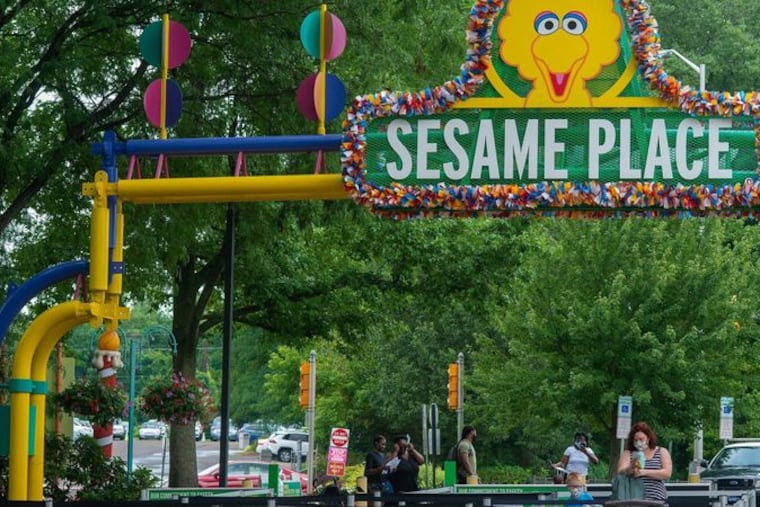
Not everyone has been a friendly neighbor on Sesame Street recently, according to a federal lawsuit.
Sesame Workshop, the nonprofit that owns the rights to the Sesame Street brand, says theme park owner SeaWorld is not paying the royalties it owes as the exclusive licensee for the beloved muppets, including from Bucks County’s Sesame Place.
In response to efforts to recoup those payments, the theme park conglomerate launched a retaliation campaign, the lawsuit says.
After nearly half a century, Sesame Workshop is asking a federal judge to terminate the licensing agreement, placing the future of the Langhorne attraction at risk.
Sesame Workshop determined that the only path forward was to exit the partnership, a spokesperson for the nonprofit said in a statement.
“SeaWorld’s actions have harmed Sesame Workshop, wrongfully withholding royalty payments that are vital to supporting our charitable mission and undermining our ability to oversee SeaWorld’s use of our beloved characters and brand,” the Sesame Workshop spokesperson said.
A spokesperson for United Parks & Resorts, SeaWorld’s parent company, said it was looking “forward to setting the record straight in court.”
The relationship between Sesame Workshop and SeaWorld was positive from the early 1980s until 2022, when the theme park conglomerate began withholding millions of dollars it owed the nonprofit, according to the complaint, which was filed last week in the Southern District of New York, where Sesame Workshop is based.
SeaWorld declined to pay even after a federal judge in 2024 ordered the company to do so, the suit says. Court records show that SeaWorld owed nearly $10 million plus interest.
The nonprofit eventually received those royalties in October 2025.
But in response to Sesame Workshop’s efforts to recoup the royalties, SeaWorld launched a retaliation campaign, the suit says. For example, the company abruptly closed the Sesame Street Bay of Play section in SeaWorld San Antonio after 13 years and replaced it with another brand, according to the complaint.
And new royalties continue to be withheld, the suit says, without specifying how much is owed. The nonprofit claims it has not received any payments for the Langhorne park since Aug. 31, 2025, beyond the court-ordered payment for previous royalties.
The nonprofit says SeaWorld violated the licensing agreement in other ways, including unilaterally changing park schedules and using the Sesame Street intellectual property without approval or permission on social media (at times with typos).
Sesame Street is the most-trusted preschool brand in the United States and SeaWorld’s actions are undermining it, the lawsuit says.
“SeaWorld is also tarnishing the reputation of Sesame Workshop’s brand through abruptly closing a beloved standalone park and Sesame Street themed attraction, disappointing children and families who already made plans to visit, and sending unapproved marketing materials using Sesame Workshop’s name, characters, and [intellectual property],” the suit say.
SeaWorld accused Sesame Workshop in September of having breached the licensing agreement by failing to invest in the brand’s exposure. The company cited the end of a distribution agreement for a new season of Sesame Street on HBO Max.
Sesame Workshop had already entered into an agreement with Netflix for the 56th season of the show.
“SeaWorld’s accusations are nothing more than a thinly veiled pretext for SeaWorld to try to justify its failure to fulfill the Agreement,” the complaint says.