A community of South Philly families rejoice after hearing the new I-76 ramp will not destroy its beloved ball fields
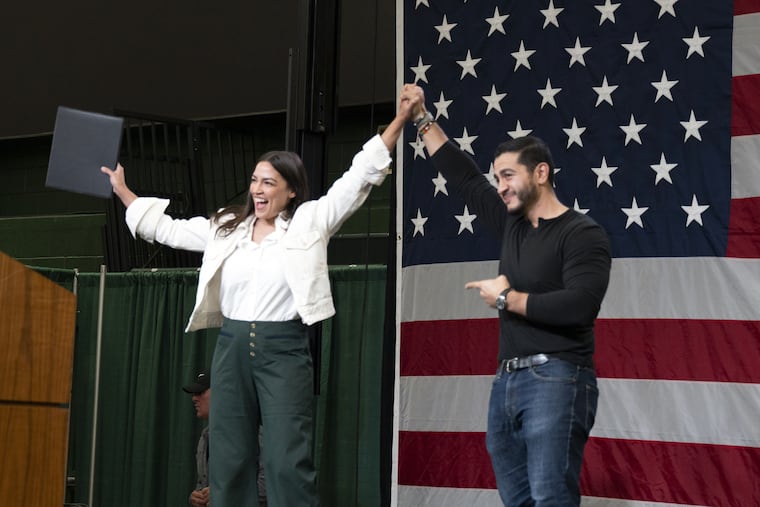
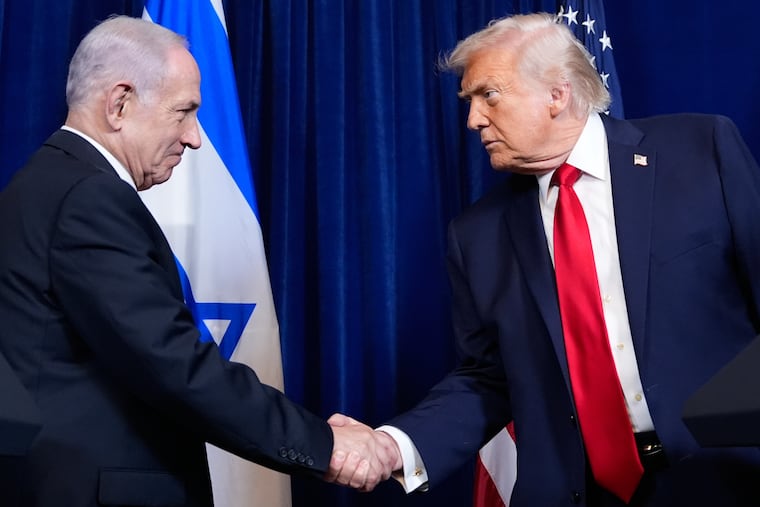
Gov. Josh Shapiro said that a new entrance ramp to I-76 will run west from Seventh Street, bypassing two complexes where neighborhood children have played sports for generations.
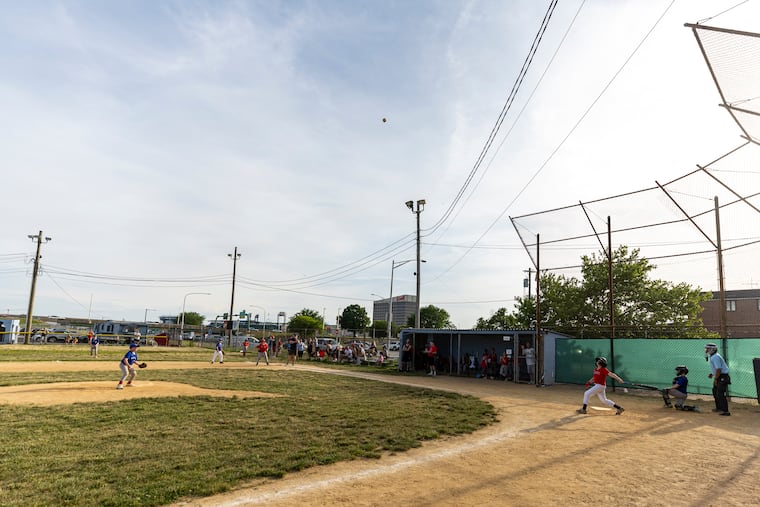
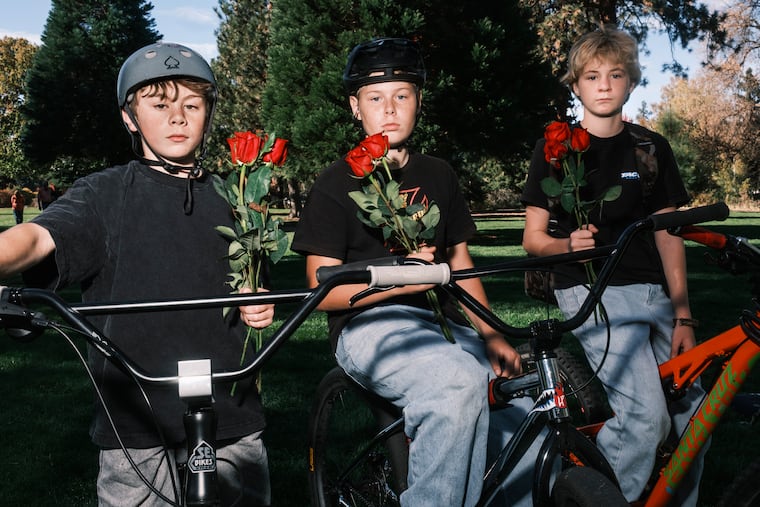
For the last year, Joann McAfee, longtime league administrator of the Southeast Youth Athletic Association in South Philadelphia, has fielded questions from worried parents she could not answer: “What will happen to the fields?” “Where will the kids go?”
With no other nearby green space available for the thousand-plus kids who play baseball, soccer, and flag football year-round at the scrappy ball fields at Seventh and Bigler, the queries often brought McAfee, a volunteer, like all league officials, to tears.
On Thursday, McAfee cried tears of joy, when she learned that a $30 million state highway investment to fix traffic congestion in the Philly sports complex no longer included the Pennsylvania Department of Transportation-proposed access roads that would run smack through SEYAA’s five playing fields that have hosted games for generations.
During a windswept news conference at Citizens Bank Park, Gov. Josh Shapiro said Thursday that a new entrance ramp to I-76 will run west from Seventh Street, bypassing the ball fields. A nearby complex of fields where another thousand children play baseball in the Delaware Valley Association League will also not be affected by the new ramp. When the project is completed in 2028, the state estimates, it will be used by 800 vehicles per hour.
Shapiro also announced artificial intelligence-powered traffic signals, and better signage in the district.
On Friday, McAfee still could not fully believe the imperiled fields were safe.
“I couldn’t believe it because if they wanted the ground, they were going to take it,” she said, welling up during a phone interview. “We’ve seen it done in the past with neighborhoods. It makes me so happy to know the kids still have a place to play.”
Brad Rudolph, deputy communications director for PennDot, said planners did what was best for the neighborhood — and drivers. The new ramp will be built adjacent to an existing ramp, providing traffic and safety benefits without impacting the community ball fields, he said.
“The Shapiro administration is committed to finding efficient solutions to transportation challenges that meet the public’s needs and improve quality of life,” he said. “That includes careful planning that preserves or enhances community property and assets whenever possible.”
McAfee and community leaders say they were blindsided when PennDot posted proposals endangering the fields on its website in 2023. The neighborhood rallied. More than a thousand parents and community members — including families who could recall being displaced by eminent domain during the original I-95 construction in the 1960s — swamped a PennDot virtual survey on the proposals. Donning their uniforms, SEYAA players went door-to-door with fliers. State Rep. Elizabeth Fiedler (D., Philadelphia) and City Councilmember Mark Squilla lobbied hard for the fields.
“I’m really happy with the result,” said Fiedler, whose own children play in SEYAA. “And really grateful to PennDot and the administration and everybody who heard my concerns, who heard the community leaders’ concerns, and heard the kids’ concerns. There are thousands of South Philly kids who get to learn how to play baseball and softball and soccer on those fields.”
The fields, which sit in the shadows of the stadium where pros play, have deep roots, she said.
“These are fields where generations of kids have played,” she said. “Their dads and their moms have played here. It’s just a special place. It’s a really good day, and a moment to be proud.”
McAfee first started volunteering in SEYAA in the late ’90s, when her children played. She never left.
“I am totally about the kids,” she said. “That’s why I still do it.”
Back then the sprawling fields were a swampy mess. Responsible for upkeep of the parkland, both leagues fundraise to cover costs of utility bills, insurance, and liability costs. With SEYAA finishing up its baseball playoffs, volunteers will soon work to prepare the fields for summer soccer.
On Thursday, she said she received hundreds of texts and calls from parents who wanted to know if the news was true — that their fields were not going away.
Now, she had an answer.
“Yes,” she told them.