Kermit Gosnell, West Philadelphia abortion doctor convicted of murder, dies while serving prison term
Gosnell, 85, had been sentenced in 2013 to a life term. Media coverage had called his West Philadelphia clinic a "house of horrors."
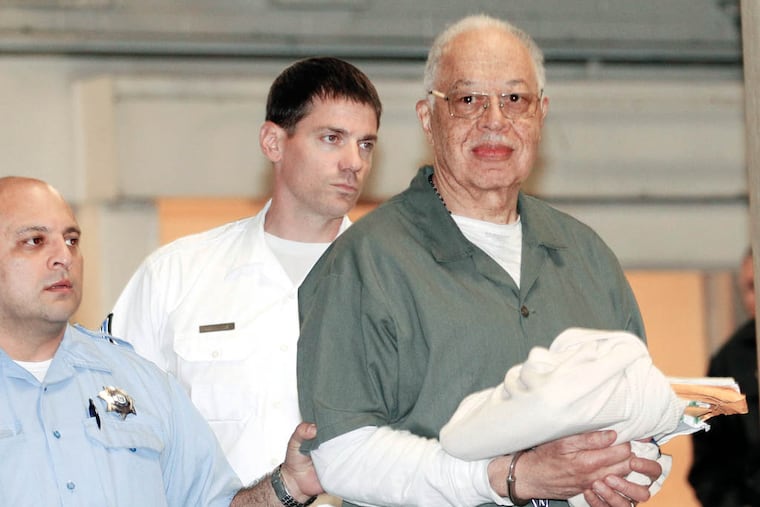
Kermit Gosnell, the infamous abortion doctor who was sentenced to life in prison in connection with the deaths of three infants and a woman in his care at his so-called “house of horrors” clinic in West Philadelphia, has died.
Gosnell, 85, died earlier this month at a hospital, the Pennsylvania Department of Corrections said. He was most recently being held at State Correctional Institution Smithfield in Huntingdon County, but was admitted the hospital, which corrections officials did not identify, prior to his death.
The cause of Gosnell’s death — as well as the exact date — was not clear Monday afternoon. The Huntingdon County Coroner’s Office did not immediately respond to request for comment. Gosnell’s death was first reported by Ann McElhinney and Phelim McAleer, the conservative journalists and filmmakers known for the 2017 book Gosnell: The Untold Story of America’s Most Prolific Serial Killer.
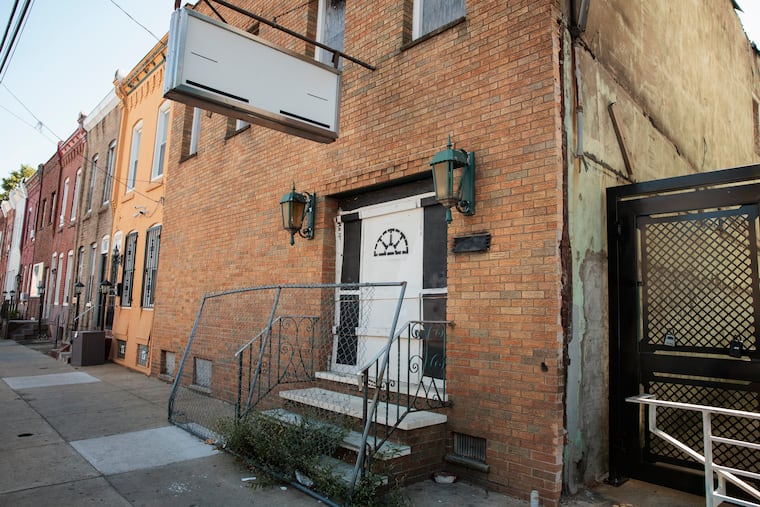
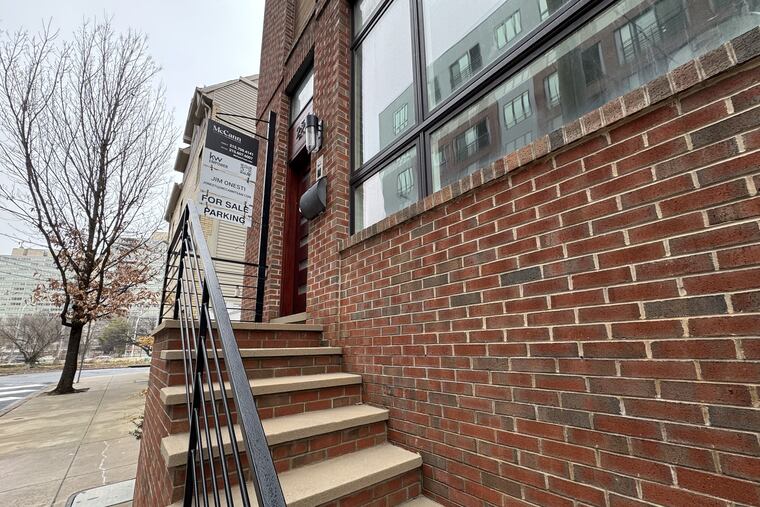
Prior to his death, Gosnell had been in prison for more than a decade in connection with the grisly scene discovered by federal authorities in 2010 at Women’s Medical Society, his former clinic at 3801 Lancaster Ave. in the city’s Mantua section. Federal investigators executed a search warrant on the property that February, finding what a 281-page grand jury report later referred to as “deplorable and unsanitary” conditions.
Fetal remains were found throughout Gosnell’s clinic, including in cabinets and a freezer, with the grand jury report calling the property a “baby charnel house.” Later referred to in media coverage as a “house of horrors,” the clinic also reportedly reeked of cat urine and feces, and was replete with blood stains on the floor and furniture.
Patients, the report found, were waiting for or recovering from abortions “on dirty recliners covered with blood-stained blankets.” Many had been sedated by unlicensed staff, who could not tell investigators what medications had been administered.
Following the raid, the state Board of Medicine suspended Gosnell’s medical license. In January 2011, Gosnell was arrested and initially charged with the murders of seven babies who were born alive, as well as the death of a patient.
Prosecutors alleged Gosnell had severed the spinal cords of the seven babies with scissors following their births in the sixth, seventh, and eighth months of the mothers’ pregnancy, reports from the time indicate.
The grand jury report found that Gosnell referred to this practice as “snipping.” It was performed hundreds of times at the clinic over the years, the report said. Many of the crimes Gosnell allegedly committed, the grand jury report noted, could not be prosecuted because files documenting the acts had been destroyed.
Authorities also said Gosnell was responsible for the death of Karnamaya Mongar, a 41-year-old Bhutan native who died following an overdose of anesthetics during an abortion procedure at the clinic in 2009.
In May 2013, after 10 days of deliberation, a Philadelphia jury in the Court of Common Pleas found Gosnell guilty of three counts first-degree murder in three babies’ killings, as well as involuntary manslaughter on Mongar’s death. Gosnell was also found guilty of 21 counts of performing illegal late-term abortions, and 211 counts of violating Pennsylvania’s 24-hour waiting period before performing abortions.
Though he could have faced the death penalty, Gosnell was ultimately sentenced to three consecutive life terms. In July 2013, he pleaded guilty in federal court to running a “pill mill” out of the clinic, and received a separate 30-year sentence.
Gosnell had a good reputation in his early career, and one childhood friend described the doctor as being “very dynamic, charming, and he had an inclination to make some money,” according to an Inquirer report from the time.
Raised in West Philadelphia, Gosnell attended Central High School and later graduated from Jefferson Medical College in 1966. He briefly lived in New York City and worked at an abortion clinic there before returning to Philadelphia to open his own clinic, as well as a methadone clinic, both in West Philadelphia.
His career had an early controversy in 1972, when he was involved in a scandal over an experimental abortion tool known as the “super coil.” Gosnell, The Inquirer reported, used the tool on 15 women who traveled to the city from Chicago, and nine of them later suffered serious complications, federal and city health officials found. Gosnell was not charged in that saga.
Gosnell’s guilty verdict was lauded by those on both sides of the abortion debate, though each said the case illustrated different problems. Carol Tracy, then the executive director of the Women’s Law Project said Gosnell represented the future should Roe v. Wade, a Supreme Court case the recognized abortion rights, be overturned — which it was in 2022.
“The tragedy here,” Tracy told The Inquirer in 2013, “is that these women felt they had no other choice but to go to a doctor who turned out to be a butcher.”
Anti-abortion advocates, such as Live Action founder Lila Rose, meanwhile, said Gosnell was “not an outlier within the abortion industry,” and warned of “continuing abuses happening even now in abortion facilities throughout our nation.”
Then-District Attorney Seth Williams called Gosnell a “monster” following the trial’s conclusion — a description that rankled the doctor’s defense attorney, Jack McMahon. Gosnell, McMahon said, believed that “what he did was not homicide.”
Jury members later said the case was less about abortion than murder. Gosnell, foreman David Misko said at the conclusion of the trial in 2013, preyed on his patients and employees, and appeared “delusional” in his attempt to portray himself as a martyr.
“He’s the worst example of an abortion doctor in the world, obviously,” Misko said.