Philly's Clean and Green office wants 'vast network' of surveillance cameras to catch dumpers
Much of a Council budget hearing for the Office of Clean and Green veered into a forthcoming renewal of a contract for disposing city waste at an incinerator in Chester.
Mayor Cherelle L. Parker is asking for $190 million for the Philadelphia Office of Clean and Green Initiatives to pay for higher sanitation labor costs, an expansion of twice-weekly trash collection, and a network of surveillance cameras to catch illegal dumpers.
However, a City Council budget hearing Tuesday focused largely on whether the city would renew a contract for disposing of city waste at the Reworld Delaware Valley Resource Recovery Facility trash-to-energy incinerator in Chester.
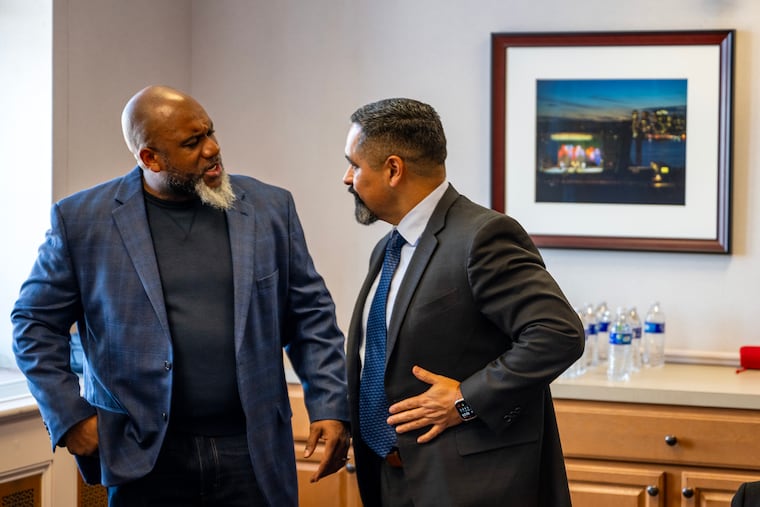
Councilmember Jamie Gauthier questioned officials about the contract, which she opposes, saying it pollutes Chester City, which has long been beleaguered by polluting industries. Gauthier has championed a bill, the Stop Trashing Our Air Act, that would prohibit the city from incinerating trash.
About 37% of the city’s trash is incinerated. It would cost an estimated $6 million more to take it to a landfill.
Gauthier noted a study by Delaware County that she said showed burning trash at the incinerator in Chester is “69% worse for the climate than landfilling, and that it is 23 times as harmful for all other public health and environmental measures combined.”
Carlton Williams, director of the Philadelphia Office of Clean and Green Initiatives, said the city has commissioned its own independent review of the environmental impact of various waste disposal strategies and will factor that into any new contract.
Here’s what else to know about the proposed budget for Clean and Green Initiatives.
A budget increase
Prior to Council’s questioning, Williams said the office’s proposed budget for the 2027 fiscal year, which starts July 1, is about $4 million over obligations for the current fiscal year. That translates to a roughly 2.1% budget increase.
However, the budget figure is $10 million more than the $180 million Council originally approved for the agency in this year’s budget. The department is on pace to spend $186 million this year due to extra costs.
The Philadelphia Office of Clean and Green Initiatives, which was created by Parker, includes the department of sanitation, the Community Life Improvement Program (CLIP), and the PHL Taking Care of Business Clean Corridors Program. The initiatives are designed to address graffiti, abandoned autos, vacant lots, and nuisance properties.
“We are laying the foundation for the sustained cleaner and greener and safer Philadelphia with economic opportunity for all, not just for today, but for the future,” Williams told Council.
Labor costs
Much of the budget increase, Williams said, is due to contracted wage increases and an expected rise in cost per ton for waste disposal and recycling.
An eight-day municipal worker strike last year, the first such work stoppage in nearly four decades, left the city reeling when roughly 9,000 members of the American Federation of State, County and Municipal Employees District Council 33 walked off the job July 1.
DC 33 leaders agreed to end the strike with a three-year contract with $1,500 signing bonuses and annual raises of 3%. That was far less than the 5% per year the union was seeking. However, the raises still added to labor costs the office must pay for.
Illegal dumping
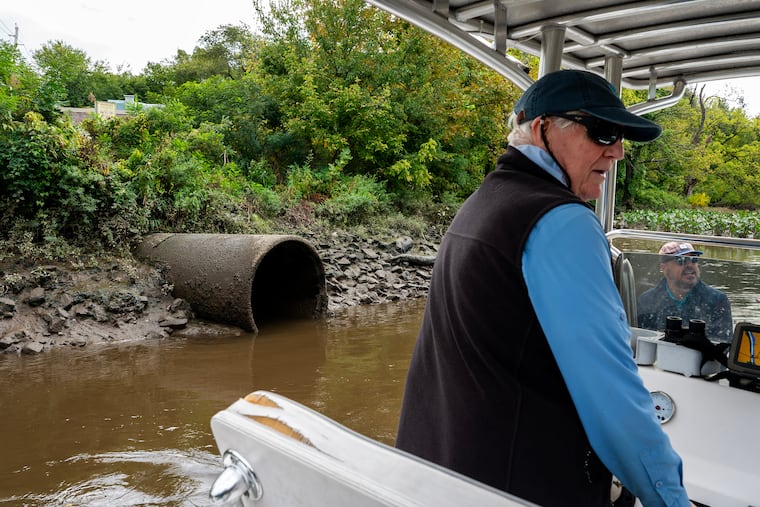
The budget proposal aims to continue to stem the proliferation of illegal dumping.
Currently, the city has posted 400 surveillance cameras specifically to monitor illegal dumping, and can tap a broader network operated by the police department and other city agencies. For the forthcoming fiscal year, the city anticipates purchasing an additional 100 cameras.
Williams, in prepared remarks, said he plans to expand coordination with the police department and the Philadelphia Office of Innovation and Technology (OIT) to “create a vast network of illegal dumping surveillance cameras in hot spots.”
The effort includes an illegal dumping surveillance team composed of people from various departments to monitor those spots, investigate dumping, and cite violators.
Crystal Jacobs, the city’s sanitation commissioner, said the budget would support six crews dedicated to addressing illegal dumping.
So far this year, the city has issued 113 notices of violations, with fines of up to $5,000.
Williams said the city’s legal department sought $3.2 million in legal judgments last year for illegal dumping by people or businesses, and $908,000 so far this year.
However, he said, the city has collected only about $70,000 of that so far.
Councilmember Curtis Jones Jr. emphasized the need for stricter penalties to deter illegal dumping.
“And I will say to you that until we increase the fines to make it cost-prohibitive to do the dumping, we’re hustling backward,” Jones said.
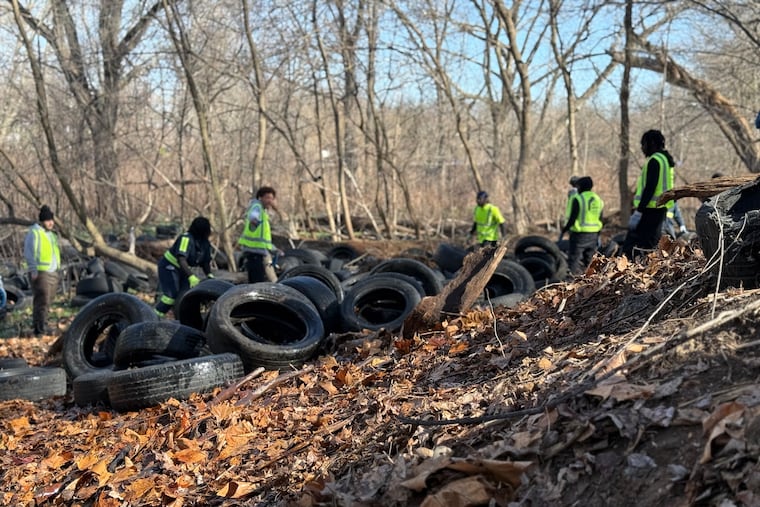
He recounted a success story about a “notorious dump spot” on Marion Avenue. There, someone who illegally dumped 50 tires was issued the maximum fine for every tire.
Expanding trash collection
Additionally, the office proposes an expansion of twice-weekly trash collection in its strategic goals.
Beginning in January, those collections began in North Philadelphia, serving residents within the boundaries of Vine Street to Hunting Park Avenue from Broad Street to the Schuylkill, and Vine Street to Glenwood Avenue from Broad Street to the Delaware River.
Officials say they are targeting neighborhoods that score high on the city’s litter index and have problems with illegal dumping. A second trash pickup is designed to ease storage challenges for residents.