Mayor Parker proposes a $7.1 million ‘Pothole Squad’ to rescue Philly streets
The squad would focus on proactive and speedy pothole repairs and be funded by a new tax on deliveries proposed by Mayor Cherelle L. Parker.
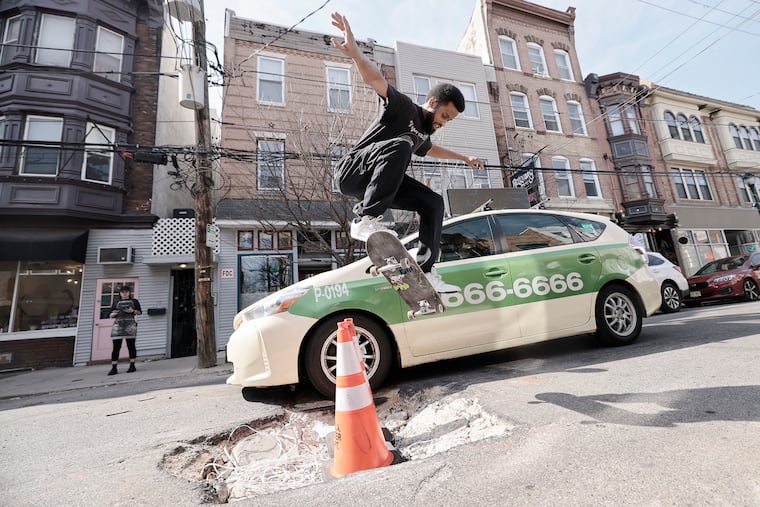
After record snowfalls, then record heat, and now more snow over just a few weeks, it is clear: Philadelphia pothole season has arrived. Enter Mayor Cherelle L. Parker, and a new pothole initiative backed by millions of dollars and a name echoing the Avengers.
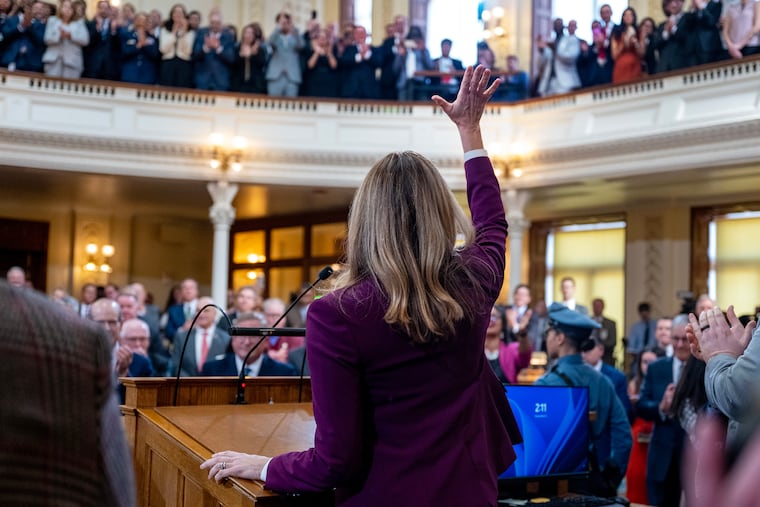
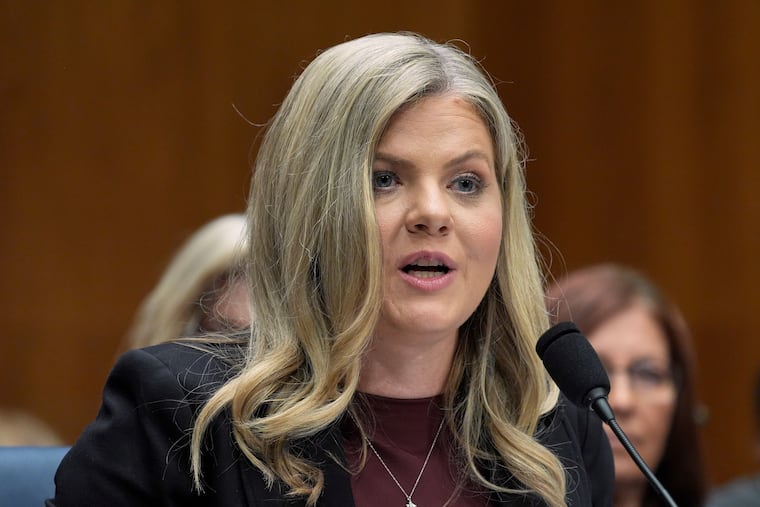
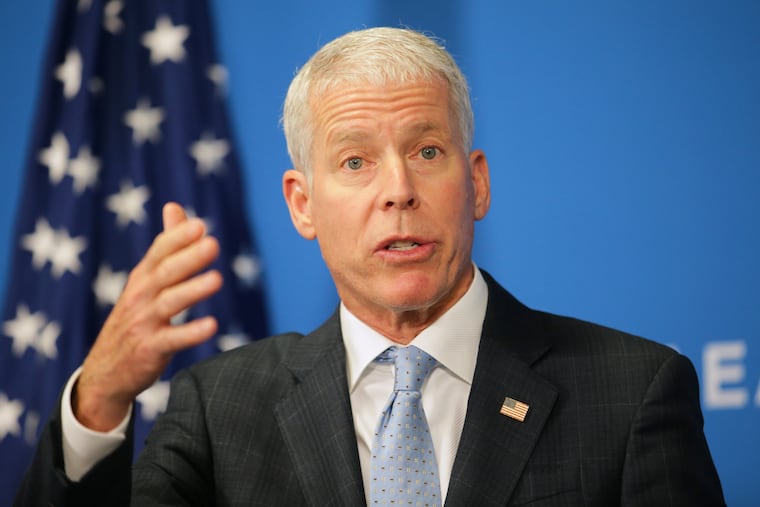
At her budget address before Philadelphia City Council on Thursday, Parker announced her proposal to create a $7.1 million “Pothole Squad” dedicated to more proactive and speedy repairs of the city’s potholes. The squad would have dedicated response teams in each of the city’s six highway districts
“More crews, more equipment and more action to keep our roads in good repair,” Parker said.
The city’s record on pothole response suggests some help was needed. An Inquirer analysis found from May 2024 to May 2025, it took the city 15 days on average to respond to potholes reported via 311. City officials have stated their goal is to have potholes repaired within three days of being identified.
Some neighborhoods received a faster response than others, largely correlating with the area’s income — in Center City, reports were addressed within nine days on average. In Olney, it took 36 days, and in Frankford it took 34 days.
» READ MORE: Where potholes rule: Ranking Philly’s most plagued neighborhoods
Philadelphians filed nearly 6,000 reports over that period, but the city only resolved about two-thirds of them. Some potholes racked up dozens of 311 reports before they were addressed.
The streets department repaired over 60,000 potholes across Philadelphia last year, Parker said in her address, but she admitted that wasn’t enough. She said she considers potholes to be an important safety and quality-of-life issue for residents.
“Until you’ve had to go and get your shocks or your car serviced because you hit a pothole, you don’t know how serious an issue this is in the city of Philadelphia,” she said.
Funding for the Pothole Squad would come from a new 25-cent tax on the delivery services of certain goods. The tax, which wouldn’t begin until July 1, 2027, would be charged to retailers and would exclude essential items like food, baby products, medication, and medical products. It is expected to generate $15 million annually, Parker said.
“In other words, businesses that rely on our streets for deliveries will help to maintain them,” she said.
The city could unleash the squad on Philadelphia’s broken streets if it is approved in the finalized budget, set to take effect in July.