A Puerto Rican Day parade float is highlighting how a bus route can bring a sense of community to Philadelphians
"La Guagua 47: The Musical," uses a SEPTA bus line to tell a story of immigrants finding a sense of community.

When Alba Martinez first came to Philly, in 1985, she encountered the kind of heartbreak that speaks to the human experience: She felt like she was drowning of loneliness in an ocean of people.
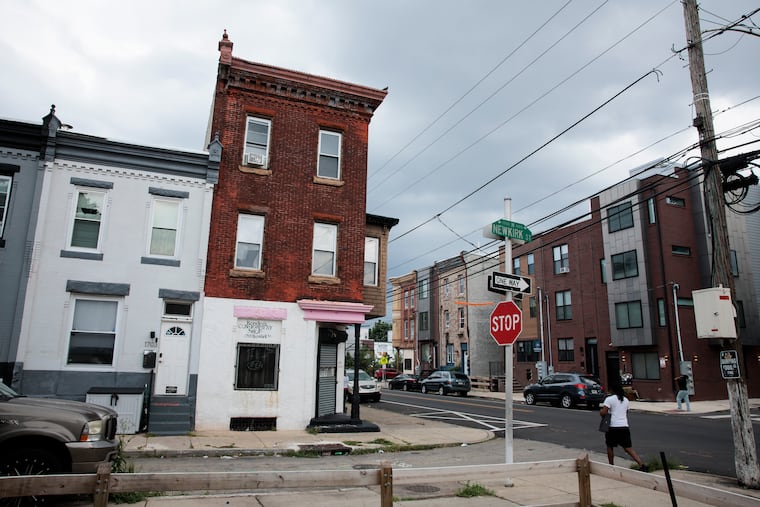
The Puerto Rico native found community through SEPTA’s Route 47 bus, and her story was told in a 2022 film named after the route. Three years later, La Guagua 47 — guagua is a word for “bus” in Puerto Rican Spanish — is turning into a musical, with a 32-foot float and two of the songs from the forthcoming show to be featured in Sunday’s Puerto Rican Day Parade.
Unlike the film, the musical won’t focus just on Martinez’s journey. The main character is Lucía, a 14-year-old girl who leaves her home in Puerto Rico with her father to join her mother in Philadelphia. Feeling a lack of belonging, Lucía isolates herself watching the days pass on her aunt’s couch.
“Her aunt says, ‘Enough is enough, all you know is the UPS guy and the sofa,’ and sends her on a journey on the 47 bus as she tries to answer: Will I ever belong here?” said Martinez, who quit her position as commerce director for the Parker administration in March to produce the musical. “This is a universal story, not just a Latino story. It is a belonging story.”
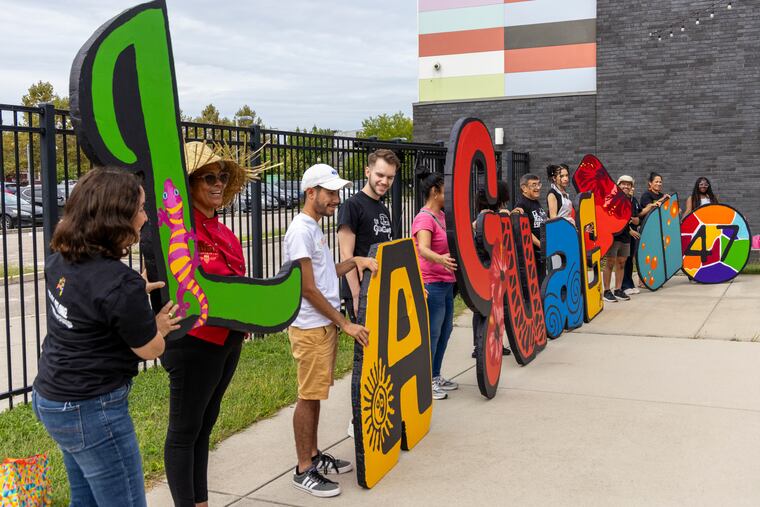
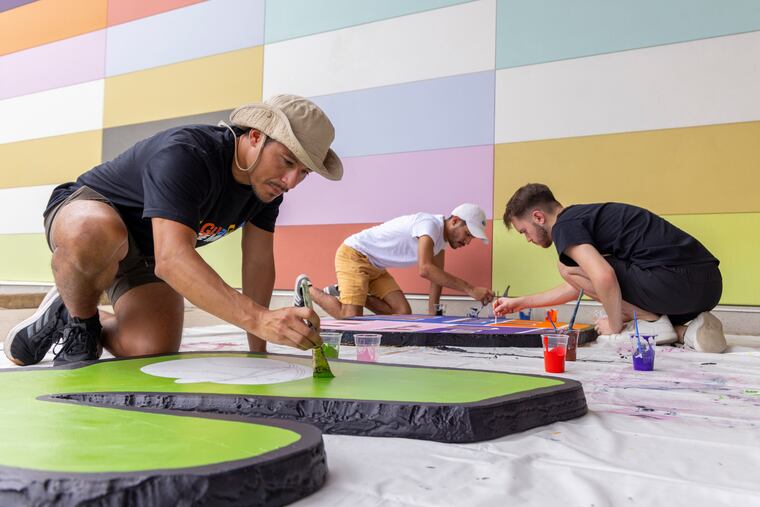
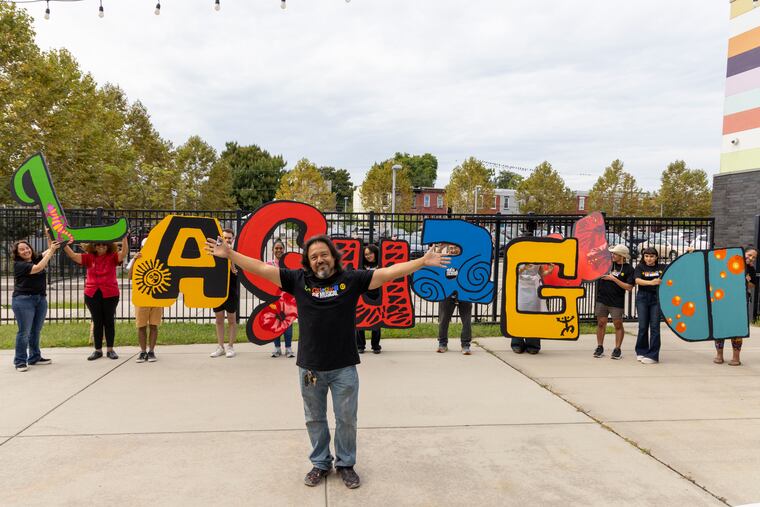


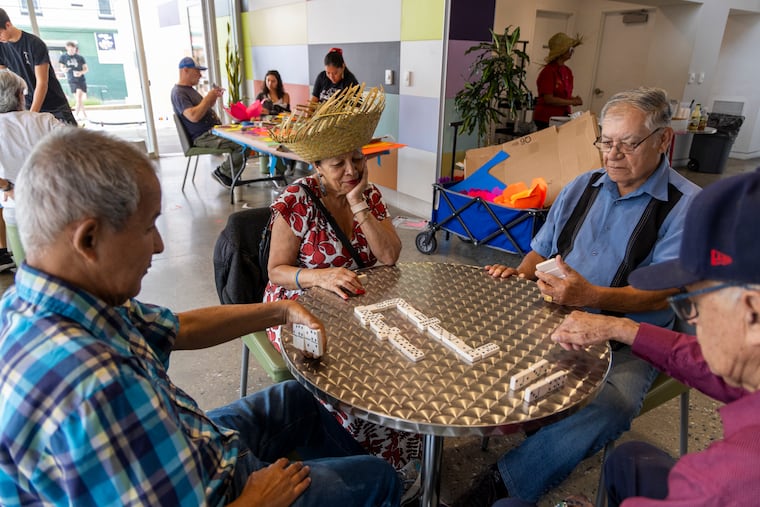
To make the float come to life, community members gathered at Taller Puertorriqueño on Saturday, making paper flowers, talking, painting, and listening to salsa music in a room that smelled like freshly cooked rice and chicken.
With his hands covered in green paint, muralist Cesar Viveros, 57, said he felt a sense of togetherness at a time when, he said, immigrants and Latinos are experiencing a form of otherness.
“Representation matters,” Viveros said. “Having the space to go with something so big, so colorful, is making a statement that even when politics divides us, art can bring us together.”
The float will feature two 12-foot mobile murals painted by Viveros and other local artists, with help from more than 100 community members, to represent the story of La Guagua 47: The Musical.
Karina Hirschfield, 53, has spent the last two weekends driving an hour from Phoenixville to Philadelphia to help prepare the float.
As an Ecuadorian immigrant, Hirschfield said, she can relate to the feeling of wanting to belong in a new place. But, as a school counselor, she wanted to show her students the power of community.
“I wanted them to know that even though we are living through some challenging times, you are not alone. There are people that care: Connect with those people,” Hirschfield said.
The need for community also drove Tyler Rocio Ecoña, who uses the pronouns they and she, to become the musical’s dramaturge and the production’s manager of community engagement.
Much like Martinez, the Virginia native struggled to find Philadelphia’s Latino community after moving to the city in 2019 for college. Once the University of the Arts shut down, their need to feel a sense of belonging heightened.
“My school community had suddenly dissolved. I had to be intentional about finding my people,” Rocio Ecoña said.
It’s not as if Philadelphia doesn’t have a strong Latino community; 16% of the city identifies as Latino, Philly’s fastest-growing demographic. But the community tends to exist in clusters, primarily in North or South Philadelphia. And, with the Trump administration’s immigration policies, many have been sent into hiding.
The musical comes at a time when Rocio Ecoña feels it’s important to emphasize the impact of Latino stories and Latino contributions.
“Especially during a time like this where our community faces so much danger, we are not going anywhere,” she said.
La Guagua 47: The Musical is set to be performed in full in April 2026 by the Philadelphia Theatre Company, Martinez said.
Until then, she hopes to extend to Philadelphians the same feeling she experienced after getting off the Route 47 bus for the first time.
“Even when you lose your home, you can make one somewhere else,” Martinez said. “There is power in belonging.”