Shapiro signs a disaster declaration to aid to those facing food insecurity amid SNAP uncertainty
In Pennsylvania, SNAP provides more than $366 million in benefits to about 2 million families, including 713,000 children.
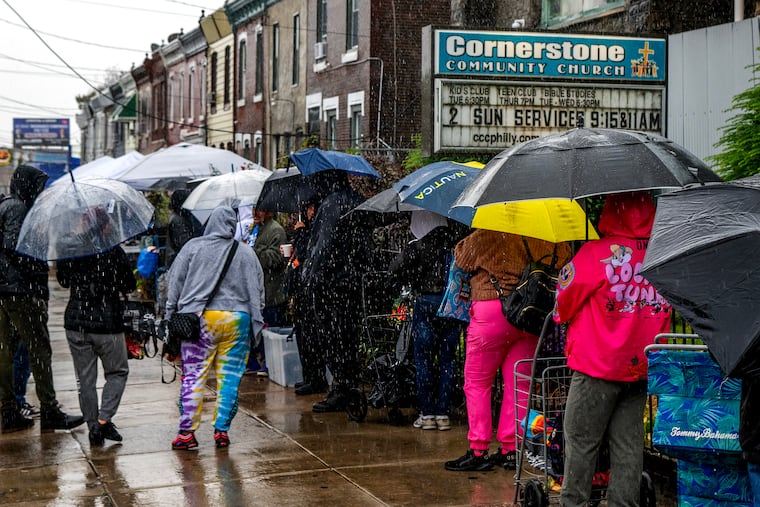
Supplemental Nutrition Assistance Program benefits will not be renewed Saturday.
That’s despite two separate federal judges’ orders Friday directing President Donald Trump’s administration to replenish the benefits using emergency funds, as the federal government continues to hammer out a budget. Even if funds were immediately released, experts and lawmakers say they could take at least a week to reach people’s accounts.
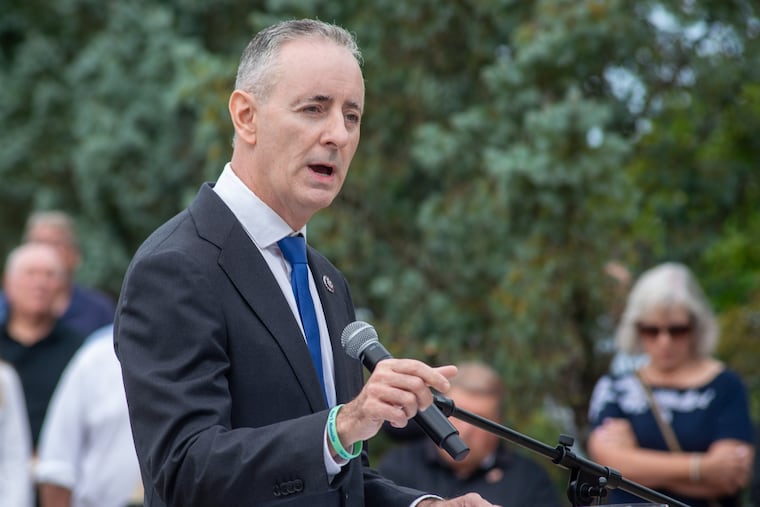
“As a result, I would presume that the vast majority, if not all, 2 million Pennsylvanians who don’t receive that money [Saturday] are going to be in dire straits,” said Pennsylvania Gov. Josh Shapiro at a news conference Friday.
Shapiro, who joined a coalition of attorneys general and governors from 25 states, sued the Trump administration Tuesday to stop the benefits freeze. But anticipating key funding questions would remain unresolved over the weekend, Shapiro moved forward with a contingency plan of his own early Friday, before any ruling came down.
Shapiro signed a disaster declaration, which allowed him to redirect $5 million from other accounts to Feeding Pennsylvania. The nonprofit partners with food pantries across all counties will use the funds to help mitigate an expected surge in need.
The disaster declaration, said Shapiro, helped circumvent red tape and expedite the delivery of the funds that went out Friday and should reach pantries by next week.
To further aid in relief efforts for what some food assistance advocates describe as a food insecurity doomsday, Shapiro announced a private sector fundraising effort, which has so far yielded $1 million.
Donors include 76ers co-owner David Adelman and his wife, Hallee; businessman and Dallas Mavericks owner Mark Cuban; as well Thomas Tull, another entrepreneur who is part-owner of the Pittsburgh Steelers.
The influx of funds to pantries marks a small fraction of the more than $366 million in benefits SNAP provides to Pennsylvanians on a monthly basis, but it offers the nonprofits a bit of relief as they await news on how the program will be funded.
The U.S. Department of Agriculture has $5.5 billion in contingency funds, which many Democrats say should go to SNAP, but even if that money were released as a result of the judges’ orders, the program would only be funded through half the month, ending shortly before the Thanksgiving holiday.
There are other pools of federal money Democrats say the administration could pull from, but it was not immediately clear if these funds were on the table. The Trump administration is to update one of the judges Monday.
Still, another detail prevents the ruling from being a total slam dunk for Democratic states that sued.
“Given this administration and its propensity to ignore the rule of law, I don’t trust that they’re going to follow this judge’s ruling,” said Shapiro at a Philabundance warehouse in South Philadelphia Friday, adding the administration could appeal, further delaying the distribution of SNAP benefits.
And time is of the essence, according to food assistance advocates.
Philabundance, the region’s largest food bank, has reported a 30% increase in need in recent weeks amid rising prices, a state budget impasse, and now a federal shutdown that’s left thousands of workers furloughed or working without pay.
“Dual-income households are seeking support like never before,” said Loree Jones Brown, CEO of Philabundance. “Meanwhile, food banks and pantries are left with less resources to meet the need.”
In announcing his rapid response Friday, Shapiro also outlined the limitations in what states could do to help residents amid the federal funding lapse. He said the Trump administration told states should they choose to place money on people’s SNAP cards as a stopgap measure, they would not be reimbursed.
It’s why Shapiro rejected a plan pitched by Pennsylvania Treasurer Stacy Garrity, a Republican seeking to challenge the governor next year.
In a letter to Shapiro, Garrity offered that the state treasury utilize a short-term loan from the state’s coffers to cover the cost of Pennsylvania’s SNAP program for one month.
“We have enough money to cover more than one month,” Garrity said at a news conference Wednesday.
“The hope would be that we would only need it for one month.”
Shapiro’s office told NPR-affiliate WESA that the plan was “not workable” because the U.S. Department of Agriculture said it would not repay funds used to backfill the benefits, and therefore make the state responsible for the loan’s repayment and any interest accrued.
The disaster declaration comes amid a surge of mutual aid among regular citizens and as lawmakers at local and county levels deploy rapid response plans of their own.
Prior to the rulings Friday, officials across the collar counties had begun to take action to address anticipated increases in food insecurity.
Delaware County organized a countywide food drive for Nov. 8, while Chester County officials urged residents to give to local pantries.
Montgomery County officials announced plans Friday morning to provide $500,000 to local food pantries. In Bucks County, commissioners said in a statement that they expect to consider offering $200,000 in funds to food pantries next week. The county had already contributed $150,000 to Bucks County Opportunity Council for food pantries reliant on funds tied up in the state budget impasse.
Staff writers Gillian McGoldrick, Katie Bernard and Alfred Lubrano contributed to this article.