A Philly woman pleaded guilty to voting twice in the 2024 presidential election
Prosecutors did not say who Miya Pack voted for, but said she cast ballots in both New Jersey and Philadelphia.
A Philadelphia woman pleaded guilty Monday to voting twice in the 2024 election — first in northern New Jersey, then in the city.
Miya Pack, 40, said little beyond responding to routine legal questions as she pleaded guilty to a charge of voter fraud before U.S. District Judge Joshua D. Wolson.
Pack has been registered to vote since 2004 in Bergen County, N.J., prosecutors said in court documents, and she’s also been registered to vote in Philadelphia since 2016. She is not affiliated with any political party, voter records show.
On Oct. 26, 2024, prosecutors said, Pack cast a ballot in that year’s presidential election in Bergen County. Then, 10 days later, prosecutors said, she cast a ballot in the same contest in Philadelphia on Election Day.
They did not say whom she voted for, and she declined to comment as she left the courtroom Monday.
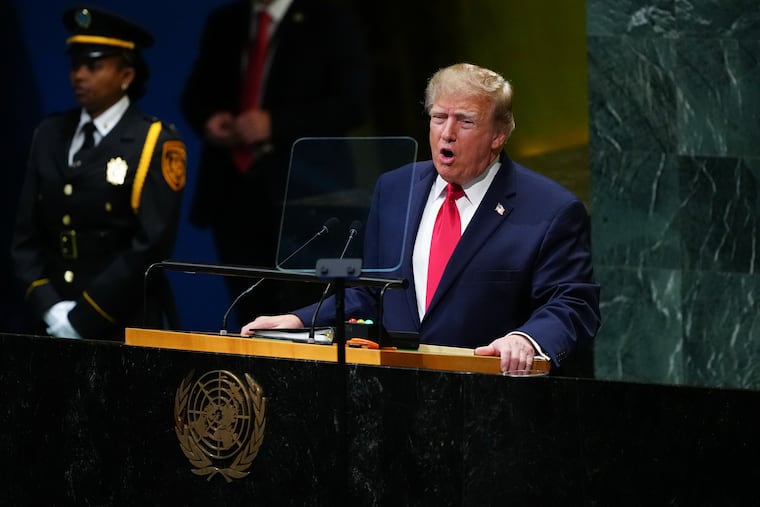
President Donald Trump has repeatedly made questionable or false statements about the prevalence of voter fraud, particularly in places like Philadelphia, where Democrats heavily outnumber Republicans. Election officials and experts who study the issue generally agree that voter fraud has not historically occurred at widespread rates.
Pack was charged by federal prosecutors last September. Prosecutors announced her indictment alongside the indictment of another man, Matthew Laiss, who was separately charged with voting twice in the 2020 election.
Laiss later said in court documents that he voted twice for Trump, and unsuccessfully sought to claim that his actions were covered by pardons Trump extended to people who tried to help him overturn the results of the 2020 election.
Laiss was convicted of voter fraud earlier this year at trial and is awaiting sentencing.
Pack is scheduled to be sentenced in October. She faces the possibility of prison time, although prosecutors said in court that federal guidelines suggest a term of no jail time to six months.