Here’s why it’s crucial political candidates disclose whether they’ve accepted contributions from AIPAC
Groups linked to the American Israel Public Affairs Committee are hoping to defeat progressives who are judged insufficiently loyal to Israel. Their targets are disproportionately Black and brown.
This year, voters in Philadelphia’s 3rd Congressional District and across the country are asking candidates a simple question: Do you accept contributions from AIPAC, the American Israel Public Affairs Committee?
AIPAC is the nation’s fourth-largest political action committee, and is poised to wield its considerable influence over this year’s midterm elections. AIPAC was started in 1954 to provide political support for the nascent state of Israel, and has maintained strict allegiance to it over the years, even as the Israeli government has drifted to the extreme right.
AIPAC is the largest source of Republican funding in Democratic primaries. Affiliates invest heavily in moderate Democrats to defeat progressives who are judged insufficiently loyal to Israel. In the just-concluded Chicago primaries, AIPAC-linked groups spent roughly $21 million on four House races, winning two and losing two. They have now begun pouring money into Philadelphia.
To further its impact, AIPAC established a network of “super PACs.” The United Democracy Project (UDP) is the largest of these. It entered this year with $96 million to spend on midterms. Others include the Democratic Majority for Israel, the Republican Jewish Coalition, and the Joint Action Committee for Political Affairs.
Reporting identifies another PAC, 314 Action, as one of the intermediary nonprofits that had received money from UDP in the past. In Philadelphia, 314 Action has committed to donating $2.5 million in the 3rd Congressional District primary.
A disproportionate number of progressive candidates targeted by AIPAC are Black and brown. In 2024 in New York, members of its network spent $14 million to successfully elect George Latimer, who previously had little traction against the popular incumbent, Rep. Jamaal Bowman.
Similarly, AIPAC spent $8 million on Wesley Bell to beat incumbent Rep. Cori Bush in a Missouri district. Bowman and Bush are Black, as is Summer Lee, the Pittsburgh representative whom AIPAC failed to defeat in 2022 despite spending more than $3 million.
Shockingly, in at least two of these contests, mailers funded by AIPAC played to white racism by darkening the skin color of the candidates they opposed.
AIPAC has not issued an endorsement in the 3rd Congressional District contest in our city, but its support of candidates has been a flashpoint in the race.
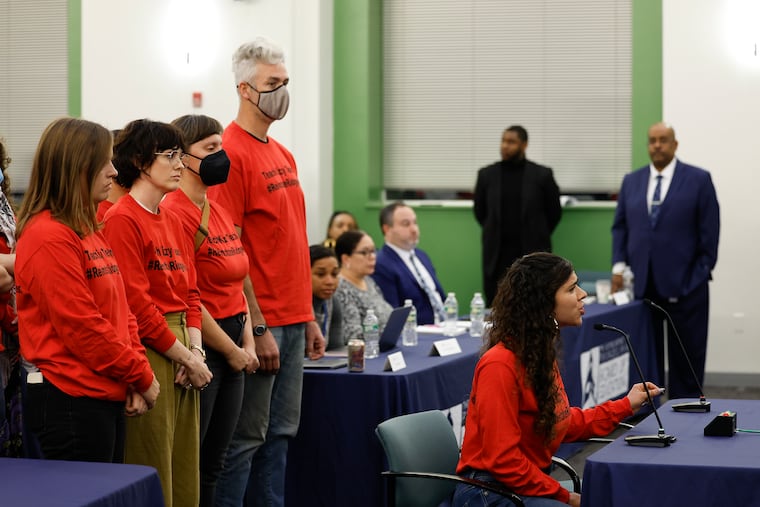
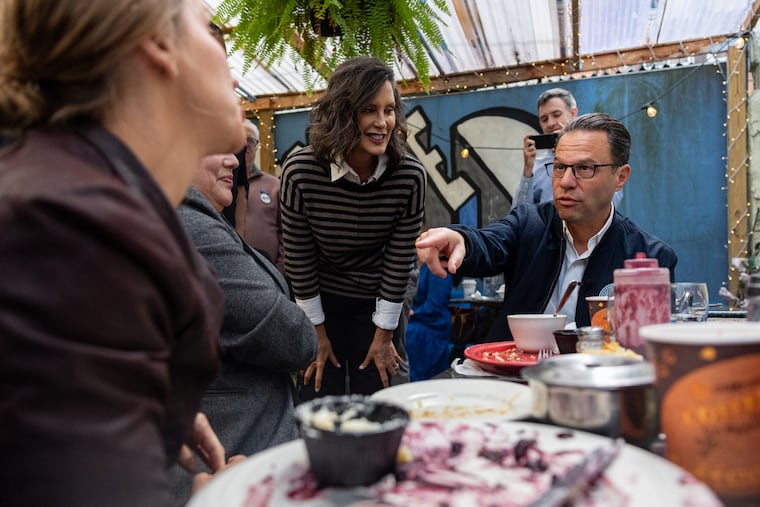
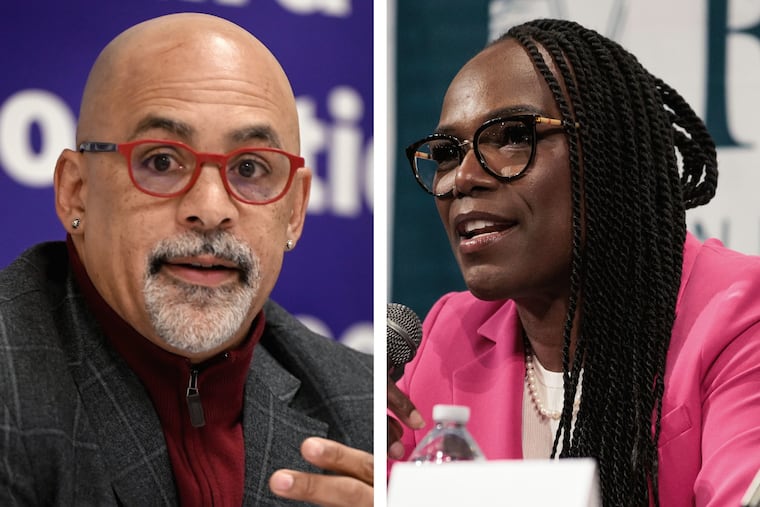
Two of the leading contenders — Ala Stanford and State Rep. Chris Rabb — have sparred over the organization, with Rabb accusing Stanford of accepting financing from a political action committee that had previously received a $1 million donation from a group aligned with AIPAC.
Stanford said she’s been subjected to death threats because of Rabb’s accusations. State Sen. Sharif Street — another leading contender in the race to succeed the retiring Rep. Dwight Evans — has called Rabb’s attacks “over the top.”
That AIPAC has become such a contentious issue in the campaign underscores the scope of its influence on political races.
The amount of money AIPAC and other special interest PACs spend on congressional races mocks the concept of free and fair elections. It’s worth noting that Christians United for Israel, a white evangelical PAC boasting 11 million members (more than the total number of Jews in the U.S.), lobbies Congress and supports AIPAC generously. It supports Israel because it believes it heralds the second coming of Christ.
Meanwhile, fewer than half of American Jews identify as Zionists.
Despite its successes by 2024, AIPAC recognized its name had become toxic for candidates. This year, AIPAC is using more creative approaches. Members of its board are hosting private fundraisers for AIPAC donors and encouraging them to give directly to candidates.
In Illinois, they established additional super PACs that don’t mention Israel. In one congressional district, AIPAC affiliates donated to one progressive to pull votes away from another who was leading in the polls. Sometimes, these approaches have backfired. In a recent New Jersey primary, Analilia Mejia, a progressive Democrat who is a frequent critic of Israel, defeated an AIPAC-backed moderate.
Fortunately, Democratic voters in Philadelphia are resisting these tactics by asking whether candidates accept money from AIPAC and affiliates.
Holding candidates accountable for their funding is a welcome sign that voters still aspire to the ideals embedded in our democracy, however imperfectly these have been implemented. Two candidates in the cohort of 3rd District Congressional primary contenders accepted contributions from individuals who also make significant donations to AIPAC.
Expect to see more of this as the election draws closer. And expect to see Philadelphia voters, like our sports fans, fight back.
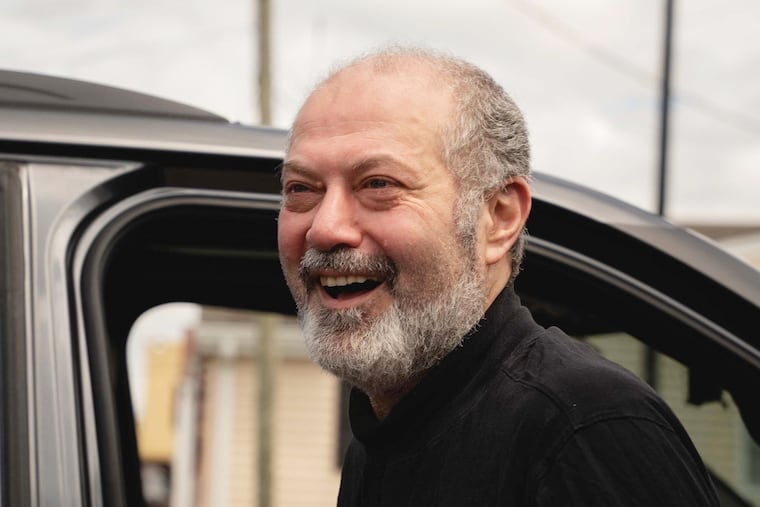
Christie Balka is a retired policy analyst and a member of the Tikkun Olam Chavurah in Northwest Philadelphia. Rabbi Mordechai Liebling is a former member of the Conference of Presidents of Major Jewish Organizations and is faculty emeritus at the Reconstructionist Rabbinical College.