The unexpected challenges of grandparenting (or how I learned to love installing car seats)
The consistent, careful way my son and his wife interact with their children brings up memories of my own parenting that I had not been inclined to examine too closely — until now.
Becoming a grandparent had never loomed large in my thoughts of what life after retirement would look like. My husband’s grandparents had died before he was born, and I was never close to mine, two of whom lived eight hours away.
When my older son told us he and his wife were expecting a child — a girl — I was happy for them, but also curious in a kind of abstract way. My mother had seven grandsons (no granddaughters), and I have two sons. Raising girls was not part of our family skill set. I looked forward to my granddaughter’s birth with anticipation, but with no real idea what the sudden expansion of our family would mean.
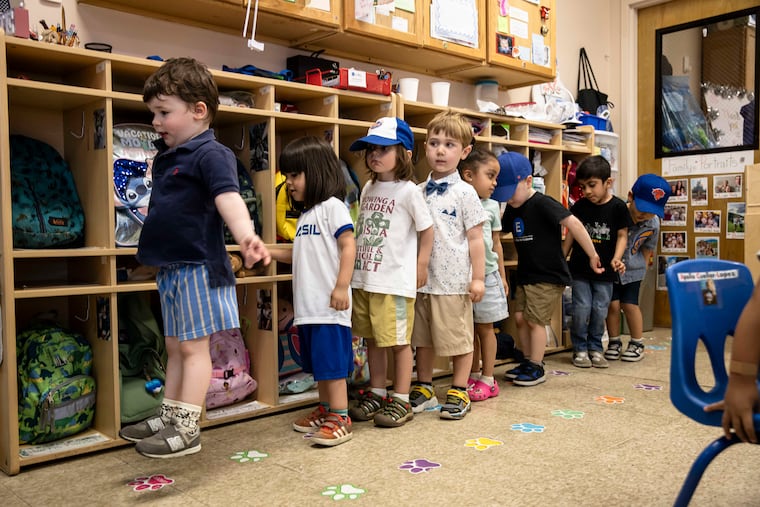
Fast-forward a few years: I now have two grandchildren, ages 4 and 2. What have I learned during this time about being a grandmother?
Granted, these little people are so young that I can’t offer any expertise on the later stages of grandparenthood, only some thoughts on how their arrival brought both expected and unexpected consequences.
Expected: The unconditional love I felt for my grandchildren from the moment they were born.
Unexpected: Seeing how the consistent, careful way my son and his wife interact with their children continues to bring up memories of my own parenting that, up until now, I had not been inclined to examine too closely.
» READ MORE: Grandparents: More important than ever | Opinion
For example, I regret not learning to play chess so I could engage with my younger son, who had already learned the game in middle school.
I regret not finding the time to arrange ski trips for my older son after his initial visit to Spring Mountain.
I regret that I gave bad advice (“Riding this enormous roller coaster will forever cure us of our fear of roller coasters.” I was wrong.) and didn’t offer advice when I should have (“Consider not taking on this extracurricular activity now, given all your other school assignments.”)
More generally, I regret that the demands of working full time meant I didn’t always have the patience or energy to sit quietly and catch up with my sons at the end of long work days for me and long school/after-school days for them. I could have learned a lot about their lives in those peaceful, undisturbed timeouts.
I know it’s way too late for do-overs, but at least I can feel some relief seeing that my own children seem to be avoiding similar mistakes.
It’s not just memories of being a parent that grandparenting evokes; it’s also the memory of my own childhood at a time when few women worked outside the home.
To my generation, my mother’s role as full-time caregiver for four children, three of them born within two and a half years, seems, in retrospect, almost heroic. Looking back on my home life as a child and then a teenager, I can now ask: How well did my mother do? How did she juggle the often-competing needs of her children and husband?
I know it’s way too late for do-overs, but at least I can feel some relief seeing that my own children seem to be avoiding similar mistakes.
My answer to myself is always: She did the best she could. But that doesn’t stop me, especially now, from recognizing that some of the decisions she made set the stage for difficult relationships among her children that have never been totally resolved.
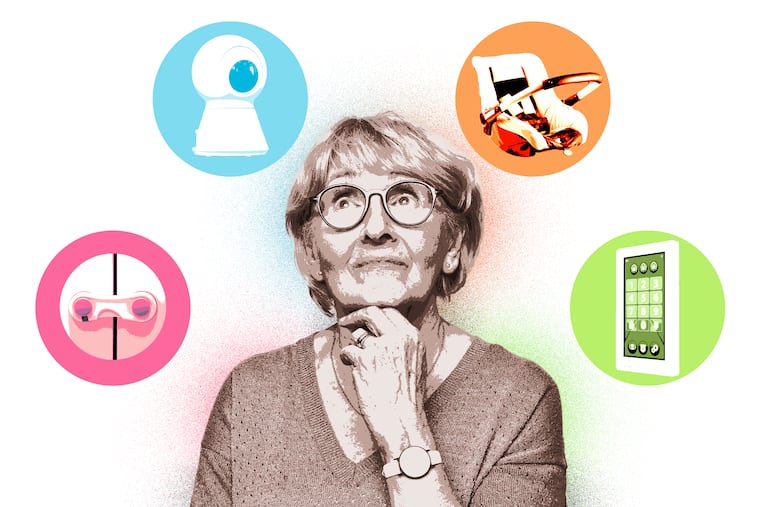
As for advances in technology and engineering that make grandparenting a continuing challenge, I have found some updates unexpectedly difficult to master.
The infant car seat in my son’s car is built to survive an earthquake — provided I could figure out the interlocking straps. The tightly wound safety handles on kitchen drawers are designed to keep young children — and as it turns out, me — from being able to open them.
These devices are clearly designed to make our grandchildren’s world as risk-free as possible to a far greater extent than I remember during my own time as a parent.
I would never challenge the huge difference technology has meant in the everyday lives of today’s families, but it also makes me ask just how large a safety net we can provide, and whether we can ever feel we have done enough.
What it gets down to is the following thoughts:
That, along with regret for what I failed to do or didn’t know as a young parent, I can still feel some satisfaction knowing I got some things right.
That the beauty of grandchildren is that they start out as a blank slate for grandparents, ready to soak up love and attention with no strings attached.
That we create our own definitions of what it means to be a grandparent, knowing how much our own past will influence the course of these new relationships.
That our children choosing to have children means they are placing a bet that the world will continue on despite the social, political, and environmental challenges lying in wait. It helps me remember that the future still holds out hope and the promise of new beginnings for generations to come.
Robbie Shell, a retired journalist, worked as an editor at the Daily News in the 1980s.