Focus on kindness after the headlines about the shooting in Grays Ferry
We catch glimpses of kindness in the everyday actions of community heroes, in families spending time with their children. But we don’t see it in the news.

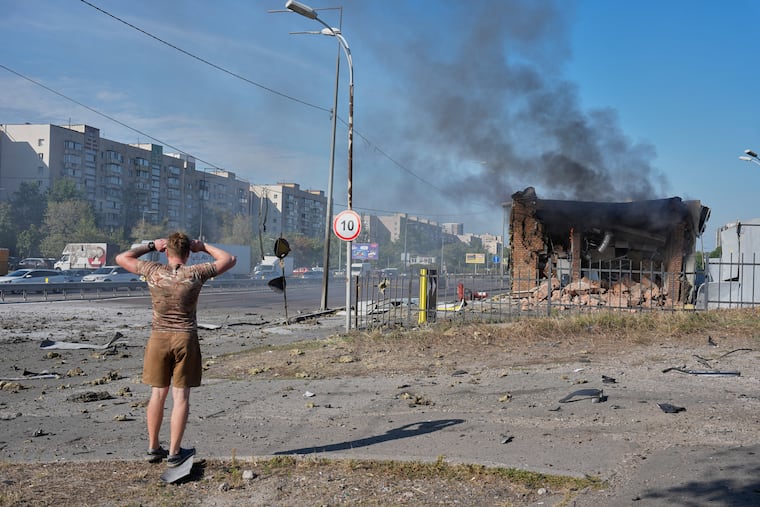
From sweeping federal legislation to a Minnesota lawmaker gunned down outside her own home. From halted trash collection in city neighborhoods to yet another mass shooting in Philadelphia — this time in Grays Ferry. What is this world coming to?
Where is the kindness?
We catch glimpses of it — in the everyday actions of community heroes, in mothers and fathers spending time with their children. But we don’t see it in the news. Instead, headlines scream tragedy, violence, and division. And just like every other mass shooting before it, this will be covered — and then be forgotten.
» READ MORE: It’s past time for both sides to find a way to end Philadelphia’s contentious trash strike | Editorial
But we can’t forget.
One of us — Sara Solomon — doesn’t live in Grays Ferry, but works there. Solomon knows the people and the children and staff at the Young Chances Foundation, a grassroots community hub at 27th and Tasker, which was founded by the other author of this piece, Tyrique Glasgow.
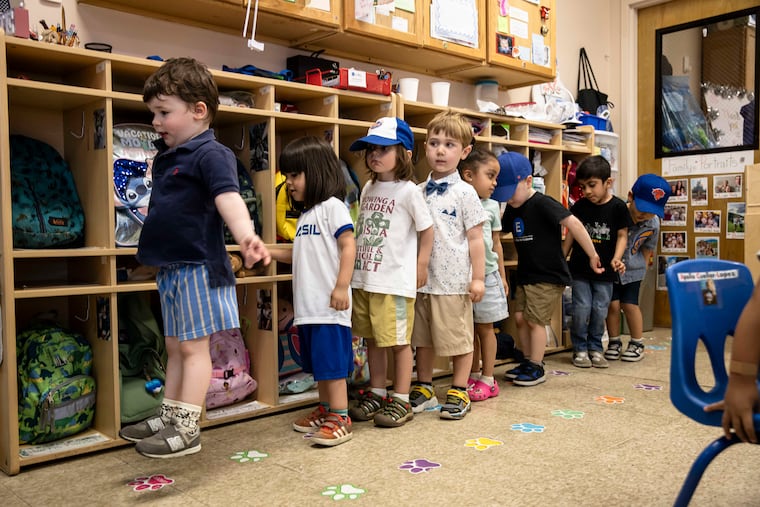
Kindness lives in the organization. Every single day. In the summer camp activities. In the free meals. In the resources and supplies handed out without judgment. In second chances — whether in employment or in life itself. In efforts to improve quality of life.
That doesn’t make the news. But the shooting does.
So how do we shift the narrative? How do we respond without adding to the noise and sorrow?
First, we must understand what happened. People carried guns. They used them — firing at others, including children, people with disabilities, and those who couldn’t run fast enough. People were injured. People died.
In public health, we use something called the Haddon Matrix — a tool that helps break down incidents into phases: before, during, and after. We look at contributing factors — human behavior, environmental conditions, equipment, and systems — to identify opportunities for intervention.
To prevent deaths, for example, we’ve created emergency systems to get people to hospitals faster. Or to promote safe gun access, we’ve implemented policies, safety locks, and background checks. But what about the most crucial moment — the one where a person, already flooded with adrenaline from feeling unsafe, decides to pull the trigger?
What do we do then?
In Philadelphia, there are programs like “Shoot Hoops, Not Guns” and “Put Down Your Guns, Pick Up Your Drums” — and these are powerful. But they still rely on reaching people before that moment. What about transforming the culture that glorifies violence in video games, in entertainment, even in the toys we give to children?
What if we fought just as fiercely for kindness?
What if kindness were on the front page? What if we treated kindness not as a feel-good afterthought, but as a force — an intervention?
Because that’s what it is.
Yes, we can make guns safer. Yes, we can work to stop people from pulling the trigger. Yes, we can make emergency response faster. Yes, we need policies. But those alone won’t save us.
Real change doesn’t come from one program or one protest. It takes a system. And right now, our systems are fragmented, underresourced, and often out of touch.
» READ MORE: I met Azir Harris after he was paralyzed in a shooting in 2018. Gunfire early Monday claimed his life. | Helen Ubiñas
Systems don’t change overnight. But movements start somewhere — with one piece. One action. One intervention. One relationship.
As I, Solomon, sit in my Mount Airy home, working remotely, I reflect not only as a public health preventionist and community-engaged researcher but as a person with privilege. I can’t solve everything. But I can show up. I can be present at the Young Chances Foundation — a place that feels like a second home, even as I know I am an outsider. I can listen. I can support. I can help lift up community voices.
And most importantly, I can remind the world that the solutions are already here — especially in our youth. They have the insight. They have the answers. They just haven’t been given the microphone.
For Glasgow — who not only lives in South Philly but works at an organization where families continued to bring their children even after the shooting — there can be no talk about solutions without centering trust, and the people already doing the work.
We cannot stop.
We know what works. The question is: Will we choose to do it?
We must listen. We must act. And we must remember: Kindness is not weakness. Kindness is strategy. Kindness is resistance. Kindness is survival.
And above all, kindness is the intervention this moment demands.
Sara Solomon is the deputy director of the Penn Injury Science Center at the University of Pennsylvania and is the codirector and cofounder of both the Penn Community Scholars Program and the REACH Initiative. Tyrique Glasgow is the founder and executive director of the Young Chances Foundation, a grassroots organization in South Philadelphia dedicated to improving the lives of children, families, and seniors.