Tony Watlington and Cherelle Parker: Philadelphia’s future is built in our schools
The superintendent and the mayor assert that a new school facilities plan will help ensure Philadelphia’s children can access high-quality academic programs in safe, modern learning environments.
Philadelphia is a city of neighborhoods, and at the heart of every neighborhood is a school. Schools are where our children learn, where families gather, and where communities take shape. When our schools thrive, Philadelphia thrives.
That is why the Philadelphia School District’s recently announced Facilities Master Plan is so important — not just for students and educators, but for the future of our entire city.
This plan is about more than bricks and mortar. It is about opportunity. It is about ensuring every child, in every zip code, has access to high-quality academic programs, safe and modern learning environments, and the extracurricular experiences that help young people discover their talents and chart their paths forward.
For too long, inequities in school facilities have mirrored broader inequities across our city. Some students learn in buildings that limit what they can access — advanced coursework, arts and music programs, athletics, career and technical education, and modern technology — while others have more opportunities simply because of where they live. That is not acceptable, and it is not sustainable.
The Facilities Master Plan directly confronts these challenges. It takes a thoughtful, data-driven approach to aligning school buildings with student needs, enrollment trends, and program quality. The goal is clear: to expand access to strong academic offerings and enriching extracurricular programs across neighborhoods, while making smarter use of resources and improving learning conditions citywide.
Ninety percent of impacted students will be reassigned to schools with comparable or better academic outcomes, and 100% of impacted students will be reassigned to schools with comparable or better academic outcomes and/or comparable or better building conditions.
When students have access to well-equipped schools with robust programs, outcomes improve. Graduation rates rise. Attendance improves. Students are better prepared for college, careers, and civic life. These are not abstract benefits — they translate into a stronger workforce, safer neighborhoods, and a more vibrant local economy.
The impact extends well beyond the classroom. Modernized and rightsized school facilities can anchor neighborhood revitalization. They attract families, support local businesses, and create hubs for community use — from recreation and arts to adult education and workforce training. Investments in schools are investments in communities.
This plan also reflects a commitment to partnership and transparency. It is grounded in community engagement and recognizes that schools do not exist in isolation. The city of Philadelphia and the school district are working together to ensure that planning decisions consider housing, transportation, economic development, and public safety — because when we coordinate our efforts, everyone benefits.
» READ MORE: What’s happening to your Philly school under the proposed facilities master plan?
One of us, Mayor Parker, has made clear that creating a safer, cleaner, and greener city with access to economic opportunity for all is critically important to the success of our young people. Strong schools are foundational to that vision.
The other one of us, Superintendent Watlington, has, over the past three years, led a series of sweeping improvements in the district: student attendance, teacher attendance, graduation rates, and test scores in grades four through eight have all increased. During the same period, dropout rates have decreased by more than half.
The Facilities Master Plan brings these priorities together in a way that will drive even stronger and faster progress in an ambitious and responsible manner.
Change is never easy, and conversations about school facilities can be deeply personal. Families care about their schools because schools are part of their identity.
That is why continued engagement and listening will remain central as the plan moves forward. The school district and the city are committed to working with students, families, educators, and community members every step of the way.
What unites us is a shared belief that Philadelphia’s children deserve the best we can offer — and that the city’s future depends on how well we prepare them today.
This Facilities Master Plan is a long-term investment in equity, excellence, and opportunity. It is a commitment to making sure that no matter what zip code a child grows up in in Philadelphia, they have access to high-quality education and enriching experiences that open doors and expand horizons.
By building better schools, we are building a stronger Philadelphia — for this generation and the next.
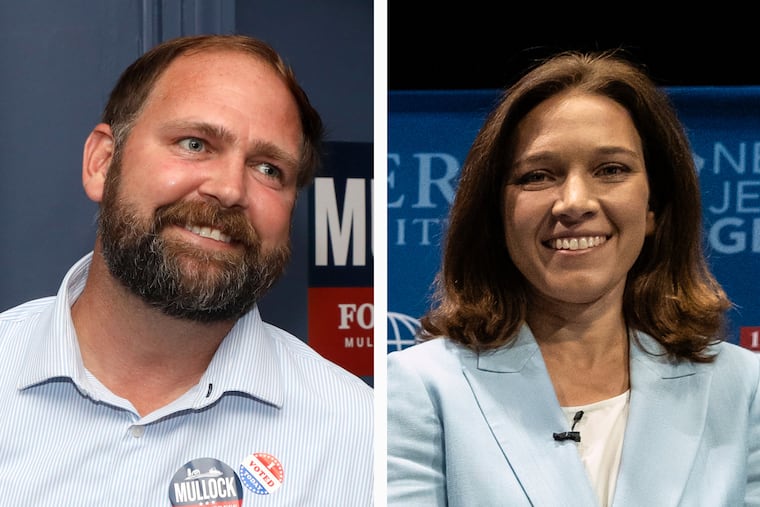
Tony B. Watlington Sr. is the superintendent of the Philadelphia School District. Cherelle L. Parker is the 100th mayor of Philadelphia.

Inquirer Opinion Newsletter