Immigrants are targets in Trump 2.0. That impacts Philly Restaurant Week, too.
Unless we push back against anti-immigrant policies, some of our restaurants may not be around for the next one.
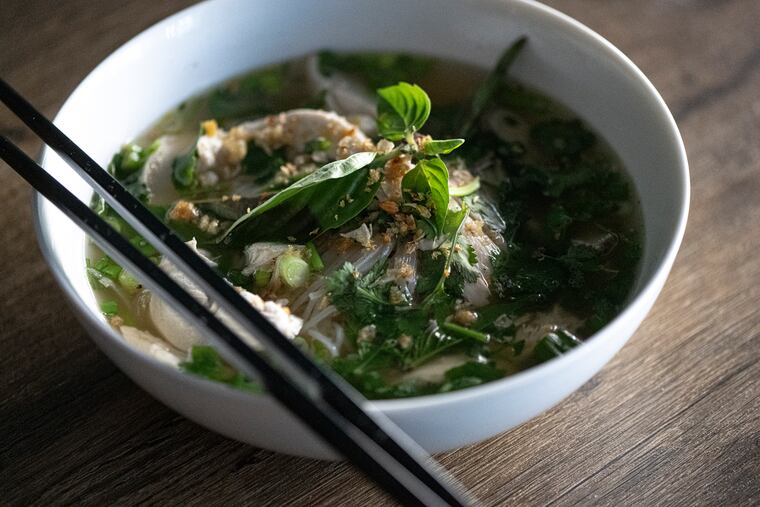
Now through Saturday, thousands of patrons will visit Center City as part of Restaurant Week, and that’s great for all of us in Philadelphia.
But more than just a point of pride, our food businesses are an economic engine for the city. An Economy League of Greater Philadelphia report found the food service economy represents 12% of all city jobs and 18% of all businesses. Restaurants are vital to our broader hospitality and tourism industry, especially as we gear up for the 2026 semiquincentennial.
But Restaurant Week also coincides with the start of a new federal administration that could upend our restaurant community if we’re not careful.
Immigrants who carry a disproportionate share of our region’s restaurant industry and success are now likely targets of the second Trump administration. National estimates indicate immigrants comprise about 22% of the restaurant industry. In Pennsylvania alone, nearly 60,000 immigrants work in the food service economy.
The food service economy is an important entry point for foreign-born residents. Credentials and language proficiency are not barriers, and it’s an industry offering career ladders and pathways to the middle class. Immigrants are not just washing dishes and cleaning the floor mats. They are servers, cooks, maître d’s, chefs, and owners. Philadelphia’s restaurant sector simply wouldn’t be what it is today without immigrants.
If you think the threat of mass deportations and nativist governance doesn’t affect your life, think again. Much of our food-driven economic gain and creative energy now hangs on a thread. We need to take action to protect our neighbors and the businesses we have come to love. Immediate steps include:
Expand know-your-rights training
We are still a nation of laws. Just because federal agents show up at the door doesn’t entitle them to do whatever they want. Warrants are still required. Groups like neighborhood business associations and the Pennsylvania Restaurant and Lodging Association should organize and educate our restaurateurs on their rights and responsibilities. Let’s expand those efforts.
Offer pro bono legal assistance
The surest protection for immigrants is citizenship. If you are a practicing or retired attorney, consider lending your skills to a pro bono legal assistance organization like Esperanza Immigration Legal Services and HIAS Pennsylvania that provide volunteer opportunities. We have some of the best in the nation. Even if you haven’t practiced immigration law, you can still help a neighbor gain a pathway to citizenship.
Keep Philadelphia a ‘Welcoming’ city
Philadelphia is the largest “Certified Welcoming” city in the United States. It’s a hard-earned title based on nearly two decades of intentional policy, posture, and investment. It has enabled our city to gain population, and it fosters an environment in which immigrant entrepreneurs, particularly in food services, have invested in the city. Our leaders should do whatever it takes to preserve that status.
Press Congress for meaningful immigration reform
America remains a beacon of hope for people all over the world. The issue is not that people want to come here in search of opportunity. In fact, we need them. The issue is that we don’t have the systems to transparently and safely allow them to do so. It’s why we have a crisis at the southern border. While Congress hasn’t taken meaningful action on immigration in decades, we shouldn’t let them off the hook. We need real immigration reform now more than ever, and we should pressure our elected leaders to support it.
When you dine out this week, enjoy yourself. Savor the food and relish the experience. And here’s a tip: Don’t take it for granted.
Unless we act in support of the people who make our restaurants successful, some of them may not be around for Restaurant Week in 2026. But together, we can ensure the continued success of Philadelphia’s restaurant industry, and the immigrants helping fuel it.
Anuj Gupta is the president and CEO of The Welcoming Center.