Utility shutoffs pose dire risks to families unable to afford energy bills
For millions of American children in poverty, lack of access to basic energy service ranks with food insecurity and housing instability.
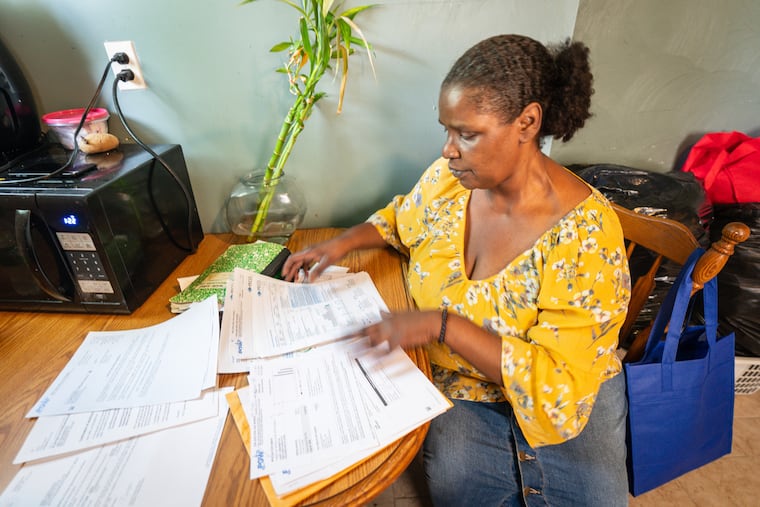
April showers may bring a deluge of May flowers, but in doctors’ offices across the country, they also bring a surge of certificates of medical necessity to prevent utility shutoffs, as the winter moratorium expires at the end of March each year.
Pennsylvania’s winter utility shutoff moratorium prohibits regulated electric and natural gas utilities from terminating service to households at or below 250% of the Federal Poverty Level from Dec. 1 through March 31. When that protection lifts, the consequences for the health of children become pressing.
A heavy burden
In Philadelphia, approximately 26% of households — more than 600,000 families — experience a high energy burden, spending over 6% of their income on energy bills. Fourteen percent face a severe burden, with more than 10% of their income going toward utilities.
As a physician, I regularly witness the struggles my patients face just to keep the lights on. This week, I received a desperate call from a mother of three — including a son with diabetes — as her electricity was about to be shut off, with her son’s lifesaving insulin stored in the refrigerator. I have known this family for nearly two decades: from his diagnosis at age 3, through his father’s deportation, to his high school graduation.
I called the utility company to delay the shutoff and was struck by her reality: a bill exceeding $3,500. How does it get this high? How is a single mother expected to pay it? What resources can I refer her to? Most importantly, how could energy insecurity affect her son’s health and the health of children in Philadelphia and across the nation?
Nearly 10 million children in the United States live in poverty, twice the rate of any other industrialized nation. Energy insecurity is one of the sharp edges of what can be thought of as a triad of hardship: food insecurity, housing instability, and lack of access to energy.
‘Heat or eat’
Energy insecurity is defined as lacking consistent access to enough of the kinds of energy needed for a healthy and safe life in a particular geographic location. It affects one in four U.S. households.
Families experience this daily through the “heat or eat” phenomenon: skipping meals or reducing food intake to keep the heat on, or resorting to unsafe alternatives — propane heaters, open ovens, or extension cords from a compassionate neighbor.
Energy insecurity can be analyzed through the Home Energy Affordability Gap, which is the difference between affordable (6% of gross household income) and actual energy bills. In the United States, the energy gap rose from 27% to 33% in U.S. households between 2020 and 2024, and the strain continues to grow.
Energy insecurity increases the likelihood of serious injury and even death through carbon monoxide exposure, fires from using stoves for heat, and unsafe lighting practices such as candles.
The health consequences for children can be dire.
Children in energy-insecure households are more likely to be reported in fair or poor health. They are more likely to fall below the 5th percentile for weight and more likely to require hospitalization. Chronic exposure to temperature instability, food insecurity, and stress can disrupt early brain development, increasing the risk of developmental delays.
Catastrophic risks
Temperature extremes can further exacerbate problems for children with special healthcare needs. Children with asthma and eczema are especially vulnerable to cold environments, while cold weather is a known trigger for pain crises in children with sickle cell disease. Infants in underheated homes are more likely to be overbundled, increasing their risk of sudden death.
The risks can also be catastrophic. Energy insecurity increases the likelihood of serious injury and even death through carbon monoxide exposure from space heaters, fires from using stoves for heat, and unsafe lighting practices such as candles, in homes without electricity.
In February, electricity costs increased 4.8% and natural gas 10.9% nationwide, rising with each day of the Iran war.
Each day, our office receives a stack of certificates of medical necessity. Providers review these forms to determine whether a child has a “serious medical condition” that qualifies for temporary protection from utility shutoff — typically for one month — while families apply for assistance through programs such as LIHEAP, the Utility Emergency Fund, or help at a Neighborhood Energy Center. These resources and more can be found on the cap4kids.org/philadelphia website, under “Housing and Utilities.”
Just the other day, there were a dozen medical necessity forms waiting to be reviewed by the physicians in our group. Children with asthma, sickle cell disease, leukemia, and autism. All serious conditions.
But what about the rest of the children whose only condition is a fundamental human need to not be cold, hungry, or forgotten?
Daniel R. Taylor is director of the Patient Advocacy Program and an associate professor at Drexel University College of Medicine.