Whether in Harrisburg or City Hall, lawmakers owe taxpayers a fiscally sound budget that’s delivered on time | Editorial
After breaking their budget deadline the last two years, state legislators have no excuse for delay. In Philadelphia, leaders must balance responsible governance with ambitious new thinking.
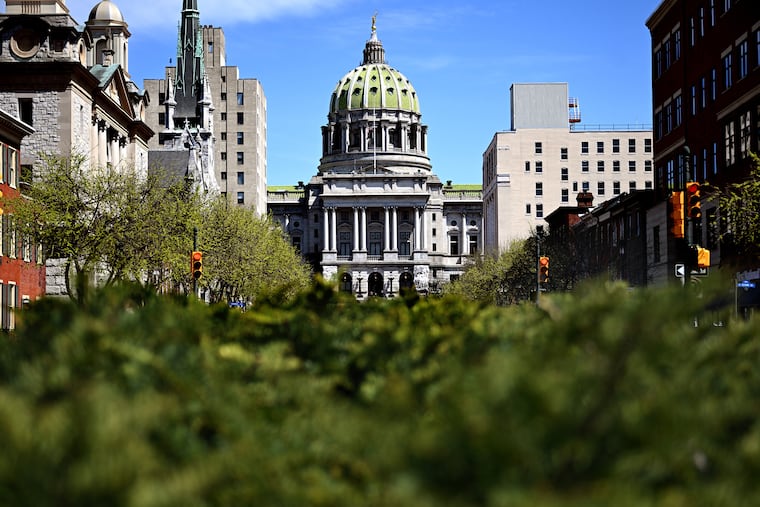
Lawmakers in City Hall and the state Capitol building have entered what is hopefully the final stretch of budget season, and for both centers of political power, the conversation seems awfully familiar.
In Harrisburg, just finishing on time would be considered a sign of improvement.
During last year’s monthslong delay — as legislators blew past their June 30 deadline — Pennsylvanians were stuck with the consequences as officials refused to compromise. Local governments were forced to suspend services, school districts borrowed money with interest, and public transit riders dealt with the uncertainty of knowing whether the transportation network they’ve built their lives around would shrink.
This year simply must be different. Lawmakers in the General Assembly must send an agreed-upon framework to Gov. Josh Shapiro on time.
There’s little excuse for delay, as none of the major issues has changed. Discussion still revolves around questions like whether to tax so-called games of skill, legalize and tax recreational marijuana, increase taxes on online gambling outfits, approve court-mandated increases in education funding, and provide a sustainable solution for public transit agencies across the commonwealth.
None of these questions is complicated or contentious enough to justify the foot-dragging that has slowed the budget approval process during the past two years. Reluctant state Senate Republicans should consider the political reality that if a bipartisan consensus is not reached this year, voters may decide it can be reached without them next time.
At City Hall, some residents and City Council members have lamented that it seems like Philadelphians are being asked to pay more and get less.
In particular, the decision to close 17 public schools while also implementing a $1-per-ride tax on rideshare services has attracted public ire. While it would be better to tie any rideshare tax to transportation rather than education, the fact remains that the school district needs resources. Without the tax, Superintendent Tony B. Watlington Sr. will be forced to cut hundreds of positions. The uncertainty is already affecting hiring and retention, according to Inquirer reporting.
Given that Philadelphia schools are making progress on academic success, with a recent report suggesting the city’s students have outpaced gains in other big cities, these cuts would be a disaster. Absent the kind of property tax increases suburban areas tend to rely on, and city policymakers have long eschewed, City Hall will continue to identify new taxes on a smaller scale — like the liquor-by-the-drink, soda, and now rideshare fees — to balance the books.
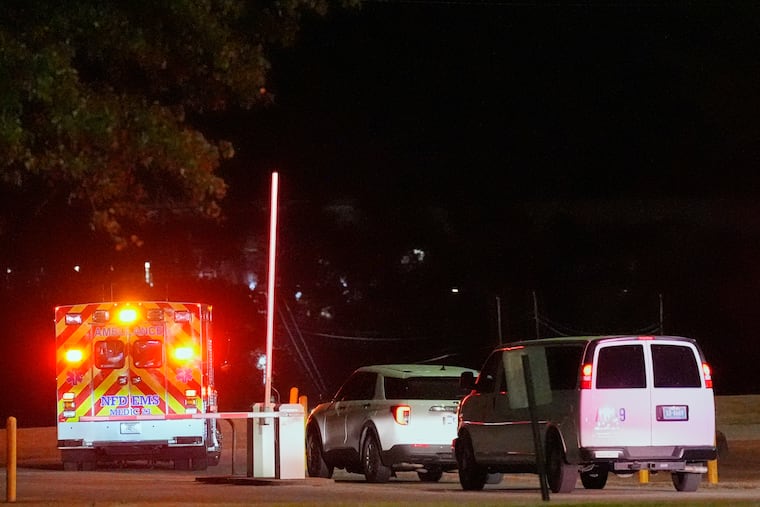
» READ MORE: Clash at N.J. ICE detainment facility spotlights the cruelty and folly of Trump’s immigration policies | Editorial
A bigger problem than the rideshare surcharge is the loss of the $100,000 exemption on the city’s Business Income and Receipts Tax, or BIRT. For many small businesses and independent contractors, that change means switching from paying no business taxes at all to taking on a four-figure bill and an expensive accounting service.
With its strongest financial position in decades, record low levels of violence, new energy at the Port of Philadelphia, and the opportunity to showcase the city’s culture and history to the world this summer, Philadelphia is poised for a new era of growth and opportunity — if the city can find a way to make life easier for residents and businesses alike.
Both local and state officials owe it to residents to deliver a budget that’s on time, responsible, and tackles their biggest challenges.