Harrisburg can’t let regional factionalism keep them from finding common ground on SEPTA | Editorial
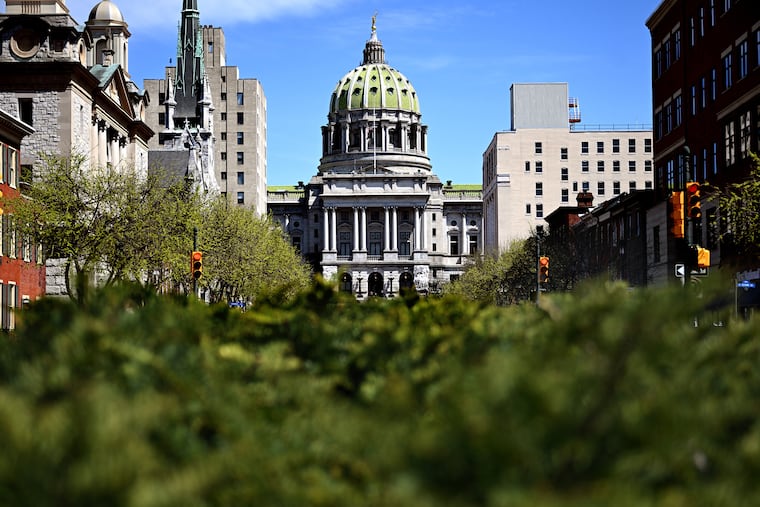
The stalemate over the state budget has entered a new, fractious phase, pitting lawmakers who represent predominantly rural areas against their counterparts from the commonwealth’s larger cities.

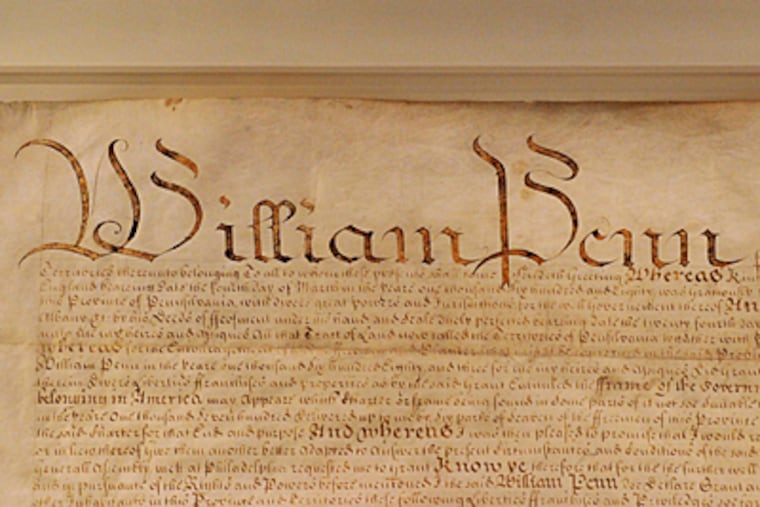
Like Massachusetts, Virginia, and Kentucky, Pennsylvania officially describes itself as a commonwealth, rather than a state. There is no legal distinction between the two words, but besides being a more poetic way to describe a political entity, commonwealth has an aspirational meaning.
Dating to 16th-century England, the word evolved from the term common weal, itself a translation of the Latin bonum publicum, or “the public good.” That phrase underscores the altruistic way Pennsylvania’s founders viewed themselves and their new home — as a voluntary association formed to advance the needs of all.
These days, it seems that many Harrisburg lawmakers could use a reminder about that history.
That’s because the debate over providing long-term funding for SEPTA — a sticking point in negotiations by the legislature that has delayed the passage of the state budget by nearly two months — has entered a new, fractious phase. The rhetoric from both sides, pitting lawmakers who represent predominantly rural areas against their counterparts from the commonwealth’s larger cities, has ratcheted up.
It began last week when Republican Joe Pittman, the Senate majority leader, proclaimed in a 12-minute speech that he would not support an enduring funding plan for SEPTA, making it clear that his move was a form of payback for what he saw as the shabby treatment of his rural constituents by urban lawmakers in years past.
» READ MORE: Republican public transit proposal is too little, too late | Editorial
Not to be outdone, Chester County State Rep. Melissa Shusterman proposed her own discordant path forward. The Democrat unveiled a proposal in which the state’s largest counties would keep their share of all collected tax revenues to fund schools, police, transportation, and other essential line items, instead of putting that money into a larger pot that would benefit the entire state.
Shusterman’s idea — which would divide counties into three different tiers of funding — would benefit communities with strong local economies, like Philadelphia, while defunding rural areas across much of Western, Central, and Northern Pennsylvania.
She presented her idea as a way to address SEPTA’s $213 million budget deficit — and as a requital to the reluctance of Pittman and others to invest in the southeastern corner of the commonwealth, a region that accounts for about 40% of the state’s tax revenue.
Instead of doubling down on acrimony and leaning into regional factionalism, Pennsylvania’s leading elected officials must sit down, bury their rhetorical hatchets, and finally forge a deal that keeps the commonwealth’s services whole, including public transportation across the state.
Rather than arguing about who subsidizes whom, lawmakers should figure out how to compromise and get a budget done, one that includes funding for public transit.
There are indications that the two sides may not be that far apart. The House passed a modified version of Gov. Josh Shapiro’s budget with $50.6 billion in spending, which Pittman suggested may have them within striking distance of a deal.
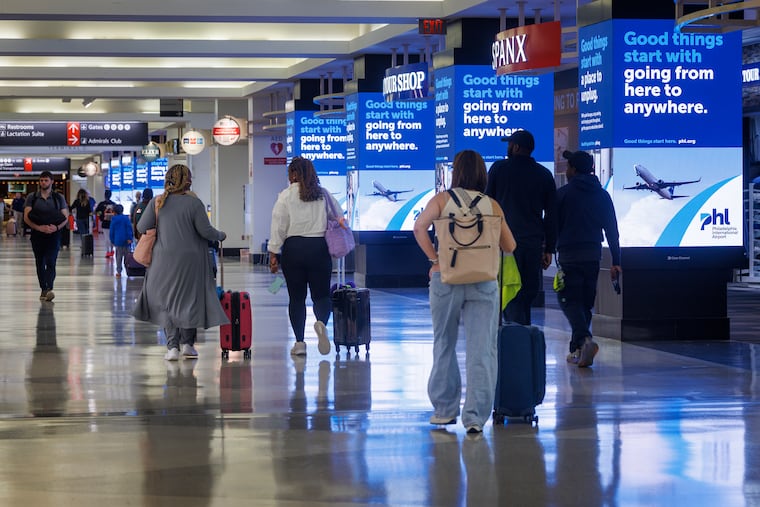
The negotiators should move quickly. Already, people are suffering from the consequences of this failure to reach an accord, with SEPTA riders facing drastic service cuts, beginning on Monday.
And more hardship may be on the horizon: Because of the SEPTA reductions, Amtrak may also be forced to slash intercity train services across Pennsylvania, including, ironically enough, its trains to Harrisburg, which would affect lawmakers themselves.
Pennsylvanians can’t go on like this. It is time for the leaders of our commonwealth to live up to the lofty promises of that word and agree to a budget that doesn’t leave anyone behind.