Reaction to Trump’s unpopular policies offers hope for fixing our broken immigration system
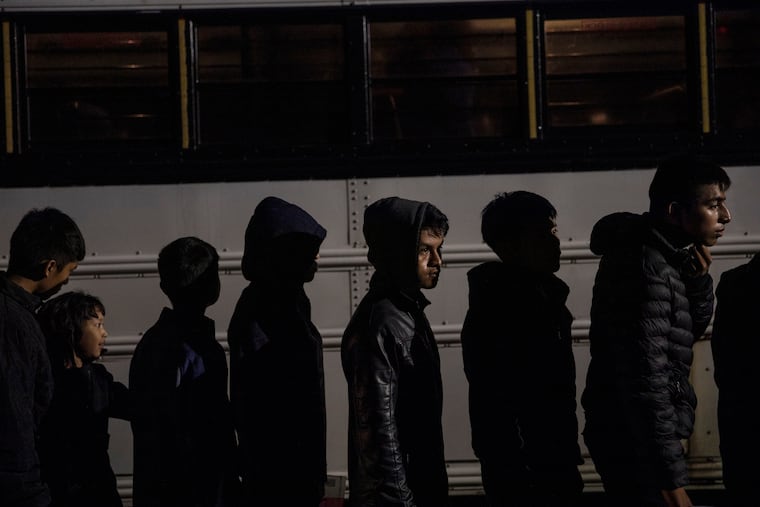
The kind of militarization seen at the border is now knocking at people’s doors in places like Chicago and New Orleans, and Americans don’t like what they see.

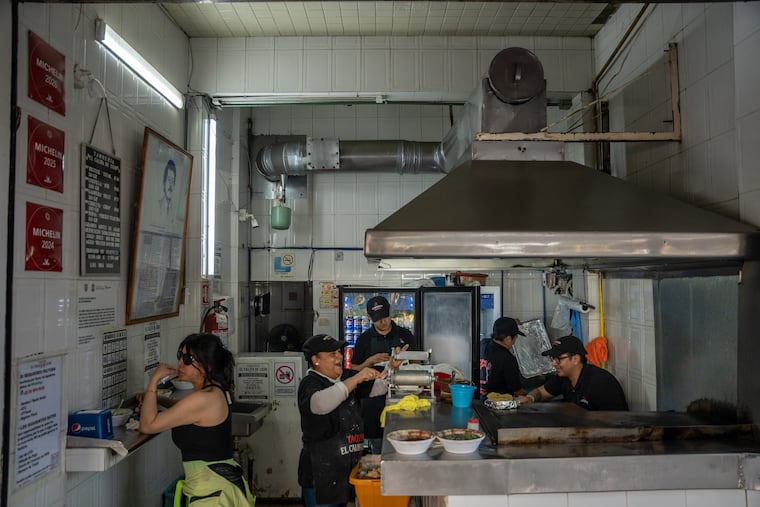
EL PASO, Texas — I had barely been in the city for a few hours before I was asked the same question by two different people: Had I heard about the four panadería workers who were arrested by immigration agents?
It was a bit of a rhetorical question that led to similar expressions of sympathy for those detained, and it also underscored two distinct truths: 1) Without employees, the bakery owner would have to close, so this hurts people who just want to work. 2) Everyone knew what they were doing, and the law is the law.
Like most in the political middle, I agreed.
My conversations with people on both sides of the border reinforced something that should go without saying, yet here it is: There is a sensible middle ground between the Biden administration’s ill-advised border strategies and the Trump administration’s virulent anti-immigrant policies and dehumanizing rhetoric.
Over the years, polling has shown that commonsense immigration reform has broad support. Bipartisan bills have failed in the recent past, but perhaps something good can come out of the Trump administration’s cruel overreach on immigration enforcement.
The border is far away from most Americans. It’s easy to scapegoat and demonize. As one activist here told me, even Democrats have been fine with throwing money at the continued militarization of this part of the world in the name of “border security.” That militarization is now knocking at people’s doors in places like Chicago and New Orleans, and folks across the country don’t like what they see.
Most Americans want immigration control; they are not anti-immigrant. Let alone supporters of what’s becoming a “papers, please” society under Donald Trump, where simply having the wrong skin tone or speaking another language can put a target on your back.
As the outrages pile on and voters turn against the president’s tactics, it opens an opportunity. If Democrats capture the White House in 2028, they must make fixing our broken immigration system a priority — with public sentiment on their side.
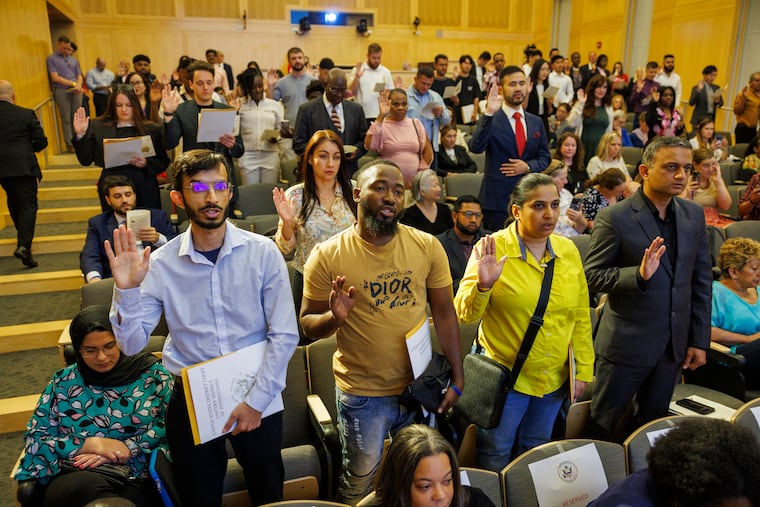
In that vein, the United States needs a functioning immigration system that keeps people from coming illegally, allows immigrants to fill jobs U.S.-born workers won’t do, honors America’s commitment to protecting those seeking asylum, and creates that line immigrants are supposed to queue up in to come here “the right way.”
Broadly speaking, deterring people from crossing illegally should not depend on immigrants being afraid to die in the Arizona desert or be maimed by razor wire trying to ford the Rio Grande into Texas. Humane deterrence would involve not only expedited deportation if caught, but also holding employers accountable for hiring people who are not authorized to work.
While some immigrants are fleeing their country over safety concerns, economic migrants are looking for a better life. I hate to break it to you, but people come to the U.S. not because they admire Jeffersonian democracy, but because there are jobs here.
Many of those jobs are the kind that citizens will not do. Not because they’re lazy or afraid of hard work, but because they have other opportunities. For immigrants, it’s all relative. Monthly pay in Venezuela is roughly $130. In the U.S., you can make twice that in a week earning minimum wage.
Whether it’s picking fruits and vegetables, putting up houses, processing meat, taking care of the elderly, or other demanding and arduous tasks that are not going away, the U.S. needs immigrants for these jobs — ideally through a dynamic work visa system that responds to demand. We also need — and should welcome — specialized professionals, such as medical doctors or tech workers.
A potential pathway to permanent migration, if desired, could start with a work visa. I say “if desired” because many immigrants would love to come here to work temporarily and then return home. A side effect of stricter border controls after 9/11 was that immigrants no longer went back and forth as readily, and instead remained full time in the U.S.
For asylum-seekers, more immigration judges — under the judicial branch, instead of the U.S. Department of Justice — could speed up adjudication, granting protection to those who qualify and rejecting those who don’t.
A working immigration system also means hitting the reset button and adjusting the legal status of the 13 million or so immigrants who are currently in the country without authorization.
Undocumented immigrants who have been here for a determined amount of time and meet agreed-upon criteria (pay taxes and/or fines) should be able to earn permanent legal residency, known as a green card, and be able to eventually attain citizenship if they qualify. Worried Republicans need only look at the increased support Trump gained among naturalized Americans in the 2024 election if they think that being an immigrant means you automatically vote for Democrats.
Of course, there is still a long way to go before any of these proposals has a shot at being considered. And while there is still time for the president to change his approach, the $45 billion authorized for new immigration detention centers and almost $30 billion going toward U.S. Immigration and Customs Enforcement likely means there’s no turning back.
Things will get a lot worse before they get better. But as the new year approaches, there is at least some hope.


Inquirer Opinion Newsletter