Letters to the Editor | March 12, 2026
Inquirer readers on potential school closings in Philadelphia and Team USA’s Paralympians in Milan and Cortina.
School closings
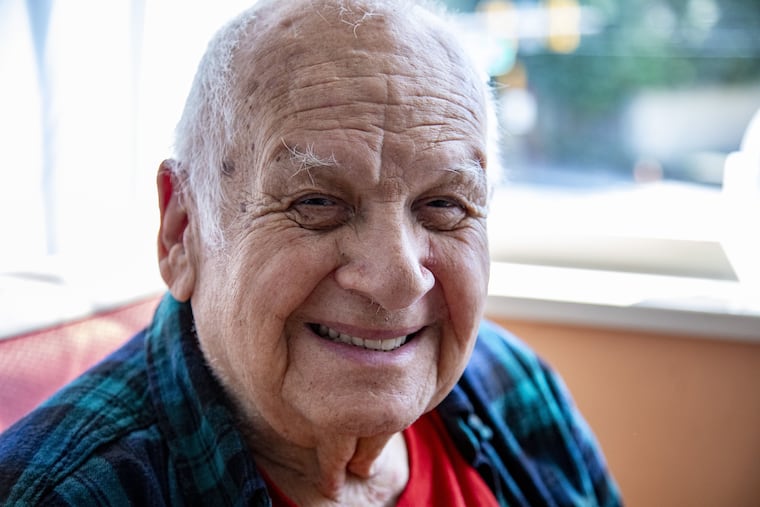
If we listen carefully to the concerns about school closings as expressed by the affected parents, we hear two important things: 1) small schools work; 2) neighborhoods are better when they have a school as a base for community.
The school board will hear the superintendent’s recommendations to close buildings, but many Philadelphians have such an intense emotional attachment to their local schools that the board’s rational (and money-saving) arguments for closure would likely not gain much traction.
And there’s the sticking point.
The solution might be to keep small schools open and functioning but use the empty spaces inside for rental to community groups or private concerns.
Of course, the details would be tricky but they can be worked out. This approach would also allow the district to make some money from the unused space.
After all, why would you close a school when you could keep it open, generate revenue, and use it as a model of success for other schools?
Ernest Angiolillo, retired principal, School District of Philadelphia
Time to shine
As we celebrated the excitement of the Winter Olympics, we now find ourselves in the midst of the 2026 Winter Paralympics in Milan and Cortina. Team USA’s Paralympians have already done our nation proud by earning a half dozen gold medals, including victories in para cross-country skiing and para biathlon.
The Paralympic Games remind us that inclusion, accessibility, and opportunity matter. For nearly 50 years, the Winter Paralympics have highlighted the strength and skill of athletes with disabilities, and demonstrated what athletes achieve when communities remove barriers and support potential. Challenges do not define these competitors; their commitment, discipline, and passion define them.
As we cheer on Team USA, we celebrate the broader message these Games carry: Everyone deserves the chance to pursue goals and contribute talents. At the Division of Disability Services, we advance independence and equal opportunity every day in New Jersey.
Let us rally behind our Paralympians through the conclusion of the Games on Sunday. They inspire us to aim higher, work harder, and believe in what we can achieve.
Jacqueline Moskowitz, interim executive director, New Jersey Department of Human Services, Division of Disability Services
Unconditional surrender
On Feb. 16, 1862, after a four-day Union siege on Fort Donelson on Tennessee’s Cumberland River, Confederate Gen. Simon B. Buckner sent a note to his fellow West Point graduate, Union Gen. Ulysses S. Grant, and suggested a cordial meeting to discuss satisfactory terms of surrender. To which Grant is famously quoted as saying “no terms but immediate and ‘unconditional surrender’ can be accepted.” In practice this blunt and unexpected response meant that terms would be at Grant’s choosing after immediate surrender of the fort. As one of the great military tacticians in history, Grant knew exactly what he meant and the message he was sending. President Donald Trump also recently demanded “unconditional surrender” by Iran. Why? Like many of his impulsive posted threats and musings, with no assessment of their potential impact, it simply sounded tough — and it must have felt good for him to say those words. But who is to surrender? How and what do they surrender? To whom do they surrender? Historically aware leaders and military, even in Iran, are likely aware of Grant’s response and take Trump’s as inflammatory saber-rattling. Shortly afterward, Iran specifically vowed never to surrender. Donald Trump is no Ulysses S. Grant and his casually ignorant approach to war and history is deeply troubling.
Joseph B. Baker, West Chester
Join the conversation: Send letters to letters@inquirer.com. Limit length to 150 words and include home address and day and evening phone number. Letters run in The Inquirer six days a week on the editorial pages and online.