Letters to the Editor | May 1, 2026
Inquirer readers on the restoration of FDR Park and the benefits of solar energy.
Hollow anniversary
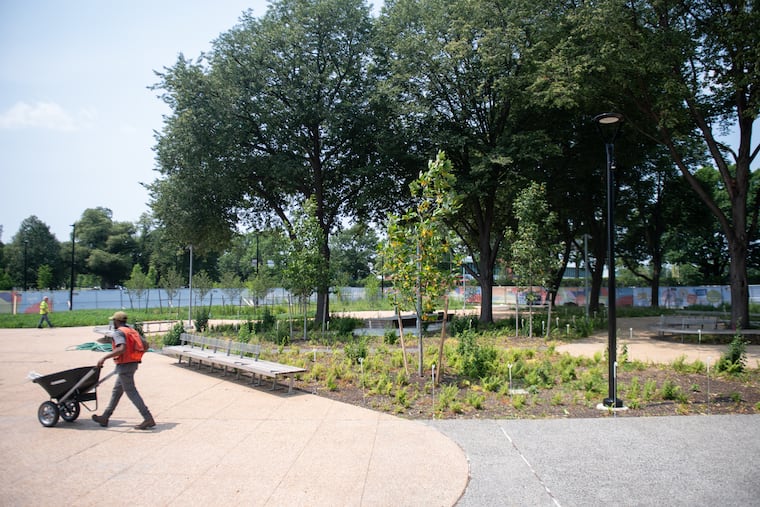
On April 22, the 56th anniversary of Earth Day, there was an op-ed congratulating the city on its planned restoration of our wetlands. The plan, however, includes a dozen artificial turf playing fields at FDR Park in South Philadelphia. Since the proposed fields do not restore the wetlands, they seem superfluous. The restoration of the wetlands should be the focus.
The chemicals used to make artificial turf are carcinogenic and don’t belong in a playing field. They will leach into the rivers from which we drink. Playing outdoor sports on artificial turf is not healthy.
Installing an artificial turf field is like covering grass with a rug. In the covering of an area for 12 athletic fields, this would be a big rug. And the artificial turf will need to be replaced after a decade with a new artificial turf. The cost of new artificial turf and the disposal of the old present problems for the next generation.
Again, this does not restore our wetlands.
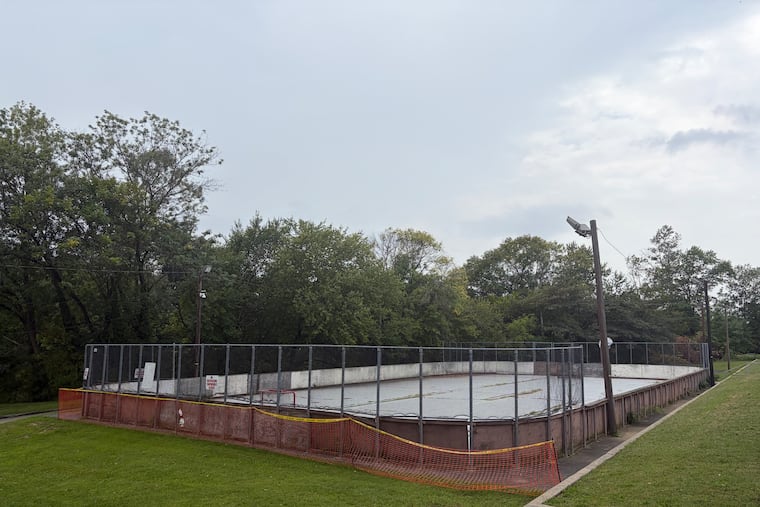
The clustering of fields in South Philly makes them remote for most of the city. It would be better for each neighborhood to be responsible for the upkeep of its own fields, which we do in Mount Airy. Recreation centers are better suited to manage playing fields that children can walk to. The Philadelphia Department of Parks and Recreation should support its neighborhood recreation centers to mow the grass and groom its playing fields.
It seems foolish to add these artificial turf fields to a wetlands restoration project.
Gerry Givnish, volunteer groundskeeper, Mount Airy Baseball
Community energy
My wife and I live in a twin in Germantown. Ten years ago, when prices came down, we purchased a solar roof, and, as expected, our electric bill plummeted. We were lucky. Our roof faces east and south, and in a neighborhood with many tall trees, we were not shaded. Our twin neighbor was not so lucky. A tall sycamore next to their side of the house shades their roof, so solar panels were not an option for them.
Many Philadelphia residents do not have the option we did. They are renters, are shaded, cannot afford to buy a solar installation, and live in apartments. There is a way people in these situations can have solar. It is called the community energy program. The bill, House Bill 504, passed the state House on a strong bipartisan vote. It sits right now in the Senate Consumer Protection Committee, not being discussed in committee and not being brought up for a vote.
Energy prices are rising, as we all know, because of factors like the Iran war, data centers, and other factors. Our Pennsylvania Senate leadership is calling for measures to improve energy affordability; solar is the cheapest, fastest way of increasing supply, and thus reducing price. It is not subject to price spikes because of politics, so it is more reliable than power from fossil fuels. Time is now of the essence to get this passed by the Senate, with elections coming, before the summer recess, whether as a stand-alone bill, as part of budget negotiations, or as a trade with Republican senators.
Peter Handler, Philadelphia
Join the conversation: Send letters to letters@inquirer.com. Limit length to 150 words and include home address and day and evening phone number. Letters run in The Inquirer six days a week on the editorial pages and online.