Philadelphia has lost a great journalist and a kind spirit
Michael Days was more than just a boss. He was an editor, mentor, and friend who looked out for his staffers, which engendered our intense loyalty.
We buried my father on a bitterly cold day in Washington, D.C., in 2010. As I followed his casket out of the church, I spotted journalist Michael Days in the crowd of mourners. I didn’t get to speak with him, but I was deeply touched, not to mention honored, that my editor at the Daily News was there.
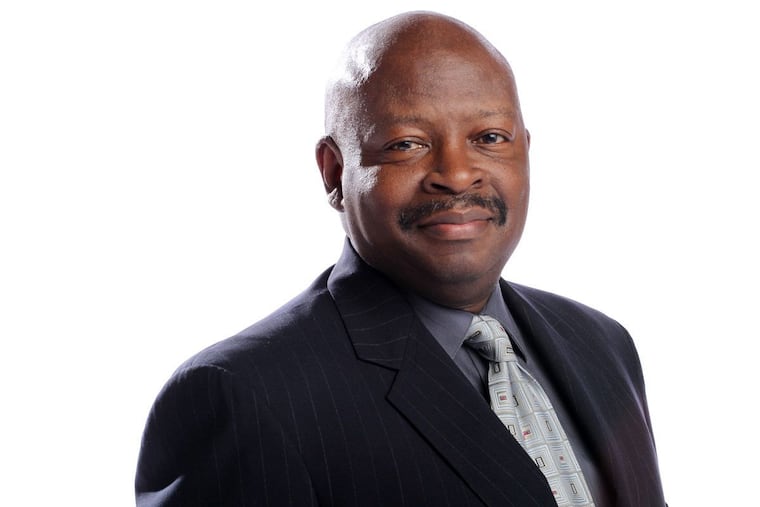
He didn’t have to do that. But Days, who died suddenly on Saturday at the age of 72, was a deeply empathetic man who genuinely cared about people. As former Daily News columnist Howard Gensler wrote on Facebook recently: “He celebrated the wins and keenly felt the losses in his newsroom. He knew when to step in and when to step back and he could go Philly on you when he had to — and then later ask you how your parents were doing.”
I met the pioneering journalist when he was business editor for the Daily News, and I was applying for a job. During my interview, I got so excited at the prospect of earning twice my salary in D.C. at the time that I didn’t bother to negotiate. But Days kindly arranged for me to have two weeks’ vacation during my first year of employment instead of my having to work an entire year, as stipulated by the terms of the union contract.
That was my first experience with the kind of leader Days was. He was more than just a boss. He was an editor, mentor, and friend who looked out for his staffers, which engendered our intense loyalty. We used to joke that when Days said, “Jump,” our response was, “How high?”
As amazing as he was as a newsroom leader, Days was an even better person outside of work. A fellow Catholic, he was a man of great faith who not only attended Mass regularly but whose life exemplified his deeply held Christian beliefs. He and his wife, Angela Dodson — then an editor at the New York Times — adopted not one child, but four brothers all at the same time.
Once, I had the good fortune of being invited to a holiday party at his home in Trenton — a location picked because it was between his wife’s job in NYC and his own in Philly. Shortly after I arrived, I recall glancing outdoors and spotting four shiny, new bicycles in the backyard. I was in awe. His beautiful home was decorated with a huge tree. I watched as Days’ wife handed each boy a matching Christmas plate. Lunch was a warm, cozy affair with lots of Southern favorites.
Days’ career took off, as he went on to hold a number of leadership positions in the newsroom. The first time he was in line to make history — as the first African American managing editor of the Daily News — I felt for certain he would get the job. Days had grown up in North Philly and graduated from Roman Catholic High School. Not only did he know the city, he understood the paper’s operations inside and out, and was adept at dealing with its motley crew of reporters and photographers.
I was outraged when he was passed over for an outsider. But when I stuck my head in his office to check on him, I was startled when he met my gaze with a smile. Days was unflappable like that. Calm. Steady. No matter what happened, he always kept his cool. That’s not easy in a newsroom full of strong personalities, but Days did it.
Looking back, he had the right idea. Management eventually woke up and named him managing editor, and later executive editor, of the Daily News. Under his leadership, the Daily News excelled journalistically, winning a Pulitzer Prize in 2010 for a series exposing corruption in the Philadelphia Police Department.
The following year, Days was named managing editor of The Inquirer and left the Daily News for a brief time. When then-publisher Bob Hall announced his return, and Days strode back into the newsroom, we all stood and cheered. Some even cried. Time passed, the papers consolidated, and Days went on to hold other management roles at The Inquirer. Even as he became less involved in the day-to-day newsroom operations, we still streamed in and out of his office, seeking advice about stories we were working on or grabbing a piece of chocolate from his candy dish.
After he retired in 2020, we continued to seek him out. He would take our calls as if he were still on the clock.
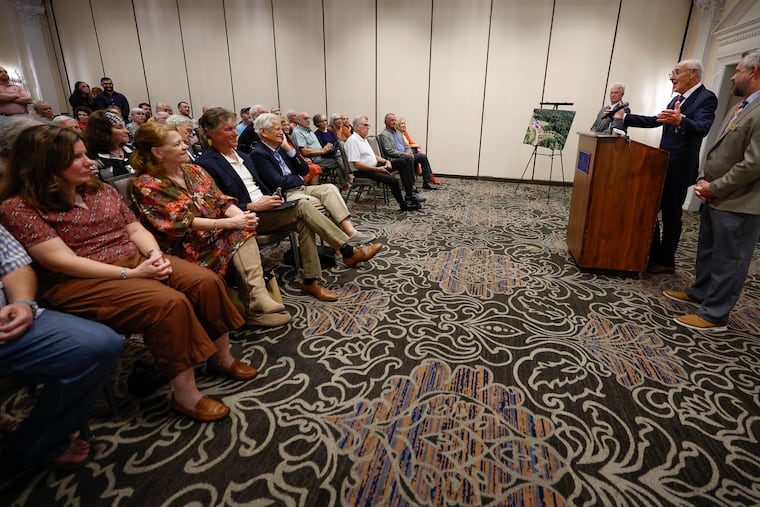
Two years ago, a group of Black journalists decided to form a new local affiliate branch of the National Association of Black Journalists after the Philadelphia Association of Black Journalists broke off from the nationwide group. Days, then 70, graciously agreed to serve as NABJ-Philadelphia’s inaugural president, and helped the new group find its footing.
In September, the group hosted a reception at the Free Library of Philadelphia honoring NBC contributor Trymaine Lee, author of the new book, A Thousand Ways to Die: The True Cost of Violence on Black Life in America. When it was his turn to speak, Days praised Lee, who had been a Daily News intern, and told him, “You are a talent, and nobody is surprised that you have done so well.”
Afterward, former Daily News reporter Mister Mann Frisby posted on social media: “The way he spoke about Trymaine at his book signing, I have also heard him speak of me the same way. Always encouraging. That makes me know that he was CONSISTENT for decades in regards to how he supported and mentored journalists.”
When I woke up early Sunday and discovered numerous “call me” texts, I knew something really bad had happened. Days’ death sent a seismic jolt through journalism circles nationwide.
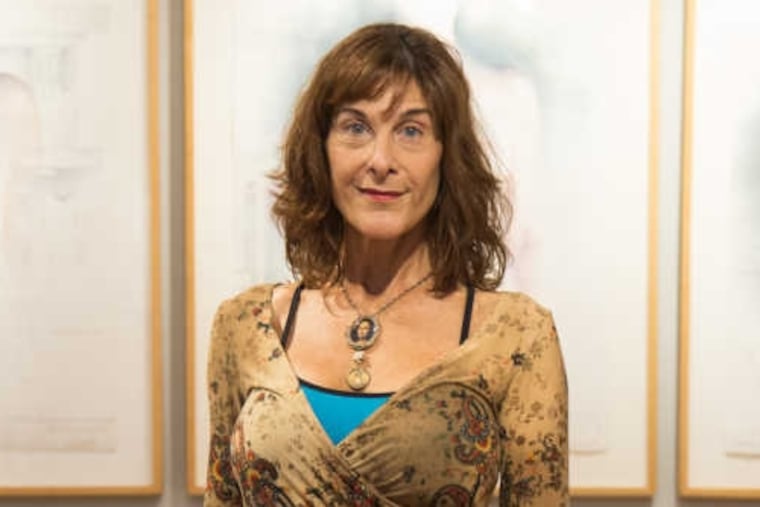
“He was kind and gentle,” recalled Inquirer columnist Elizabeth Wellington. “I lost my own father earlier this year. And this feels as if I’ve lost a second.”
I feel the same way. Before Days, I’d never met any man I considered anywhere close to being in the same league as my dad, who was a giant among men.
Inquirer reporter Melanie Burney, who will finish out Days’ term as president of NABJ-Philadelphia, told me she has found herself in the days after his death asking, “What would Michael do?”
That’s a question I’ve asked myself a few times recently, as well. Days had been just a quick phone call away. Going forward, we will have to rely on the many lessons he has already taught us.