Education decisions aren’t inevitable. They are rooted in history.
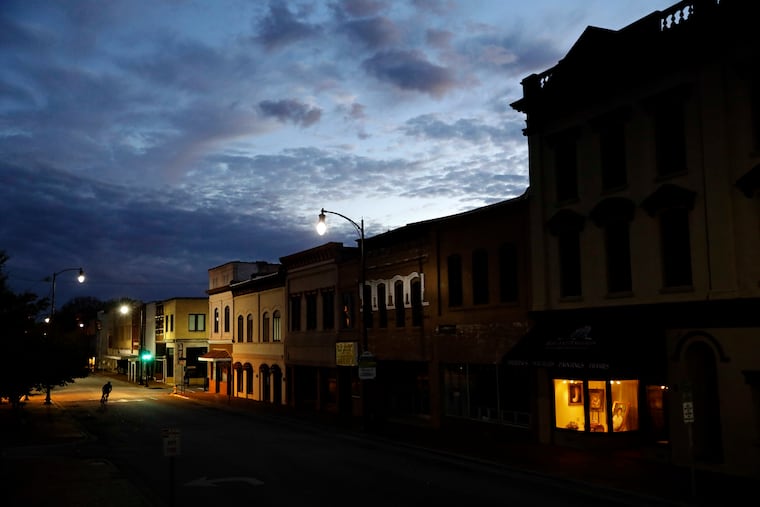
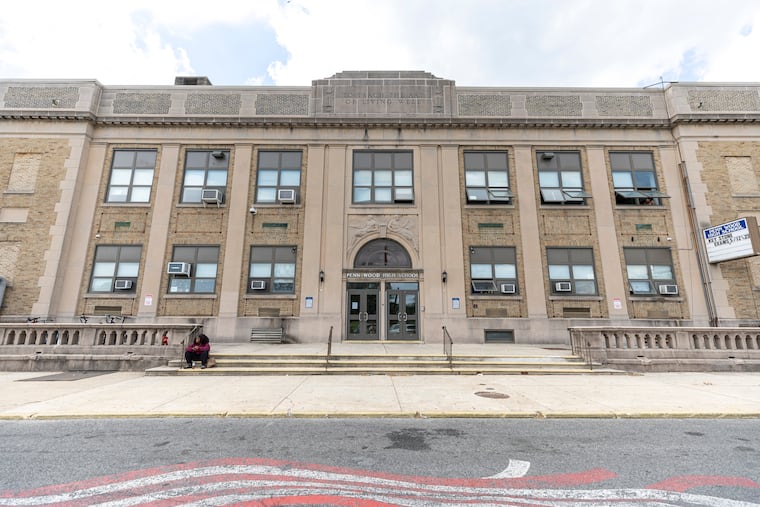
Fitler, once an all-white elementary school in Germantown, now serves mostly Black children. Its planned closure reflects a legacy of shortchanging pupils of color in Philadelphia.
Once again, the Philadelphia School District has released a list of schools slated for closure due to declining enrollment, shrinking funding, and demographic shifts.
It’s a narrative, unfortunately, that Philadelphia’s Black families and youth know well. For decades, they have borne the brunt of school closures here in Philadelphia as well as in Chicago and Detroit.
One story from my book on Germantown High School, a school that closed in 2013, one year shy of its 100-year anniversary, seems particularly salient now.
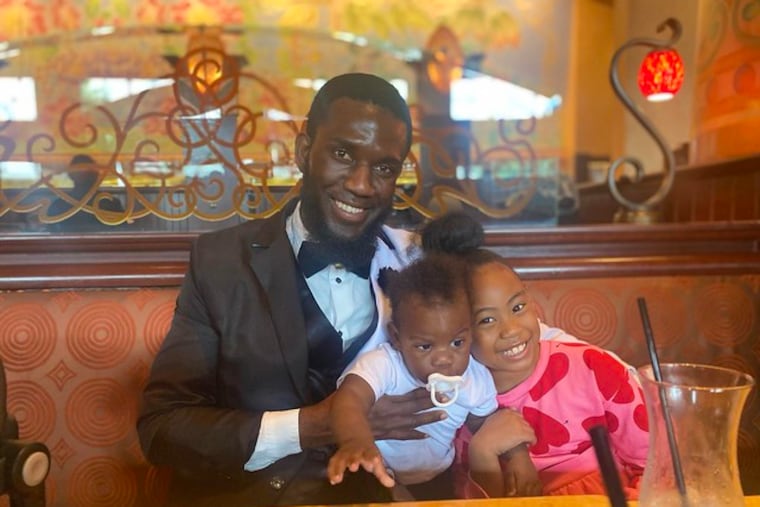
Born to middle-class Black parents, William T. Coleman Jr. spent his childhood in Germantown, attending his local public schools. His father, William T. Coleman Sr., spent 40 years as the director of the all-Black Wissahickon Boys Club, a lifeline that provided recreational and social activities for Black children in the community.
The younger Coleman’s mother, Laura Mason Coleman, taught German in Baltimore’s segregated public school system and then worked at home, raising her three children. Civil rights leaders, including W.E.B. Du Bois and Langston Hughes, visited the Coleman home, which was a site of Black intellectual conversations and principled advocacy.
Coleman Jr.’s family taught him about the importance of education from an early age. He attended the all-Black Meehan Elementary School and, eventually, the all-Black Hill Elementary School, which drew its students from a larger, more economically diverse geographic area. Coleman’s teachers, and his beloved principal, Nellie Rathbone Bright, reinforced and broadened his understanding of Black history and culture.
Philadelphia’s school challenges did not suddenly appear in the 21st century.
While he appreciated these Hill School educators, he recalled that the school exposed him “to a different kind of discrimination, one based on poverty, class, and envy rather than [solely] race.” At Hill, Coleman witnessed the compounding effects of racism and poverty on Philadelphia children, and in turn, the Germantown community.
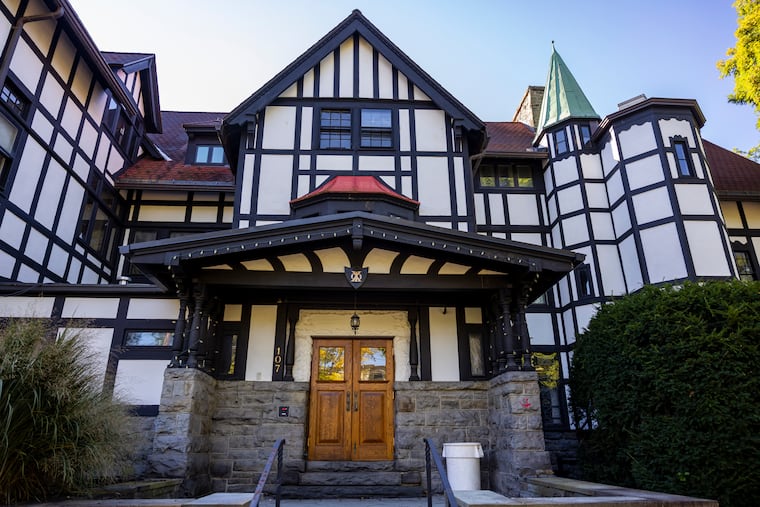
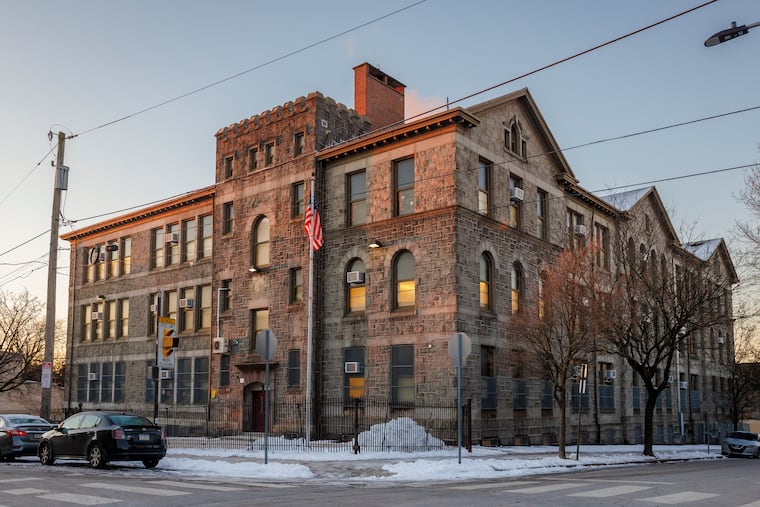
Coleman’s teachers realized he had a stuttering issue and enrolled him in special speech classes at the nearby all-white Edwin Fitler Elementary School, a massive gothic building built in Germantown in 1898.
When I interviewed him nearly eight decades later, Coleman explained that this experience — moving from his all-Black school, where he spent most of his time, to an all-white school, where he spent an hour or so a week — shaped his understanding of educational inequality.
Even though he was quite young, Coleman noticed that the Fitler School had much better facilities and resources than the all-Black Meehan and Hill Schools. Fitler had smaller classes. More teachers. Better lighting. Freshly painted walls. Adequate heating. Larger windows.
Filter had the resources children needed to thrive. The resources educators needed to teach. It had those resources because, in the early 20th century, Fitler served white children.
The school that taught Coleman, the first Black U.S. Supreme Court law clerk and one of the lead strategists on the pivotal Brown v. Board of Education case, about educational inequality, is now called Edwin Fitler Academic Plus School, and is slated for closure under the Philadelphia School District’s new facilities plan. Fitler is slated for closure because, like the schools Coleman attended, it now serves mostly Black children.
If Fitler closes, Germantown, a community that once attracted thousands of residents because of its reputable public schools, will lose another public school. One that serves Black children.
Many people say these closures are inevitable. I disagree.
Philadelphia has always had choices — choices to enact educational policies and practices that replicate inequality, or to pursue alternatives that disrupt it. Far too many times in our city’s history, those with power have chosen the former.
Philadelphia’s current challenges — shrinking school enrollments, outdated school facilities, and persistent resource disparities — did not suddenly appear in the 21st century. They have a long history marked by injustice and disinvestment, as well as resistance and liberation. It’s a history we would be wise to reflect on and reckon with now.
The choice to close Fitler is not inevitable. None of this is.
It is a decision.
And decisions, unlike inevitabilities, can be changed through our past actions and the ones we make today.
Erika M. Kitzmiller is a research associate professor at the University of Chicago and the author of two books: “The Roots of Educational Inequality: Philadelphia’s Germantown High School, 1907-2014” and “Unchartered: How One High School Transformed First-Generation College Success.”

Inquirer Opinion Newsletter