SEPTA and school district work to curb fare evasion by students | Shackamaxon
Plus: One Council member wants to make it easier for businesses to operate sidewalk cafes, and the problem with magnet admissions.
This week’s Shackamaxon covers students on SEPTA, some common sense on City Council, and how best to handle admission for magnet schools.
Please tap
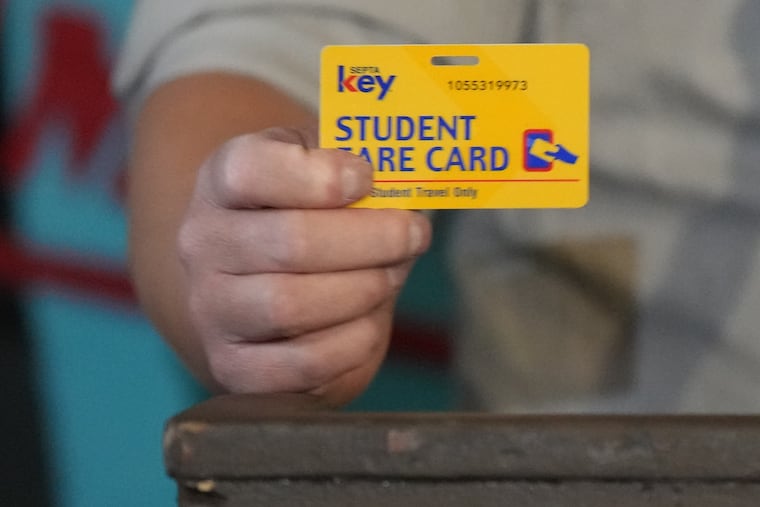
Philadelphians have complained about the antics of students on public transportation for longer than I’ve been alive. Growing up, I always found it somewhat unfair. Why paint all of us with the same brush? But since the pandemic, one behavioral issue has cost SEPTA tens of millions of dollars: too many students are refusing to tap their fare cards.
This presents a conundrum for the transit agency.
On the one hand, this behavior is totally unjustifiable. Contemporary students don’t even have to stand in the long weekly “token line” anymore, nor do they have to pay for the passes. The student Key cards also allow for more freedom than the token and transfer system, with all trips covered within the determined school-day time period instead of the single-continuous trip requirement that used to exist. On the other hand, no one wants to lock up kids for a nonviolent crime.
When I visited SEPTA headquarters earlier this year to check out its new camera-assisted enforcement program, we talked about the challenges of enforcing behavior for students. I suggested working alongside the district, and SEPTA leaders said we’d be seeing something about that very soon.
Ultimately, it was Superintendent Tony B. Watlington Sr. who broke the news in an email. Students who evade fares will be referred to the district. If they persist, they could be charged with theft of services. The enforcement program should also make it easier for officials to find gaps and weaknesses in the current policy.
In some cases, students may live too close to their school to qualify for free passes. Other students may have adult relatives or friends who pressure them into surrendering their fare card, under the assumption that SEPTA police will look the other way for underage turnstile jumping. It may be that the passes need to work until later in the evening to accommodate extracurricular activities. I certainly found it annoying that my own student tokens couldn’t take me to school-related events during weekends and evenings. If the enforcement program is successful, it could also be applied to students who smoke on the trains and platforms.
One way to reduce this issue would be to intervene early on. I’ve long wondered why our schools don’t include SEPTA headquarters alongside the Franklin Institute, Academy of Natural Sciences, local fire stations, and other classic field trip destinations. This would give SEPTA brass an opportunity to reinforce basic etiquette like paying your fare, and not blocking the entrances, taking up multiple seats, or subjecting your fellow passengers to music or a TikTok feed. Some may even come away from the experience as budding transit nerds. Fifth or sixth grade, which is right before many students switch from the yellow school bus to riding SEPTA, is an ideal time to visit.
While there are obviously a lot of demands on educational hours, the fact that tens of thousands of students ride SEPTA every day makes this an easy call.
Council common sense
Regular Shackamaxon readers are likely familiar with the way City Council routinely finds ways to make life harder for local small businesses. From making shops spend thousands of dollars on legal fees before opening their doors to outright attempts to undermine fundamental property rights, the local legislature often serves as an impediment to commerce.
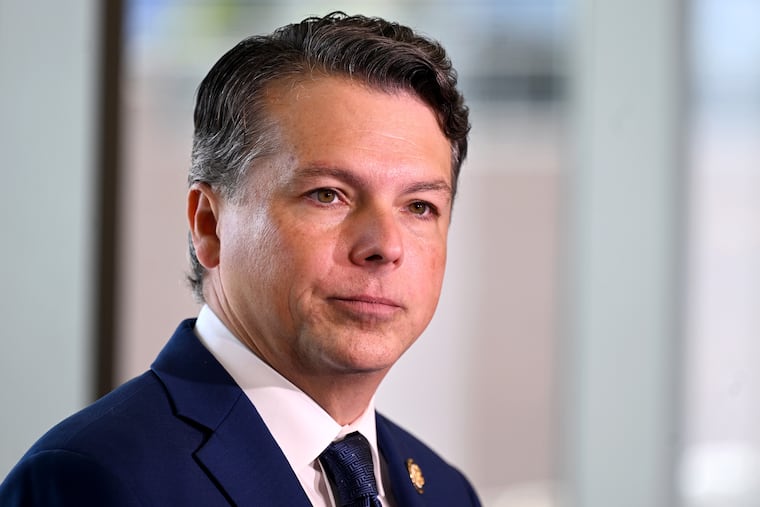
That’s what makes 1st District Councilmember Mark Squilla’s new bill so encouraging.
Following the lead of successful permit reform efforts elsewhere, Squilla has sought to make it easier to open sidewalk cafes. Currently, businesses that have applied for a permit but have yet to receive one can face fines of $300 per day. Given the weeks or monthslong delays at the Department of Licenses and Inspections many find that asking for forgiveness rather than permission is worthwhile.
Squilla’s bill would reduce these fines to $75, making it an easier call for more restaurants to open sidewalk seating. It would apply only to businesses that have an application in the pipeline and are trying to do the right thing.
Sadly, it currently applies to just one district, the 1st. Squilla told me in an email that his district colleagues will have an opportunity to opt in during the public hearing. I’d love to see all 10 districts included, but that seems very unlikely. As it stands, the legislation could mean that two restaurants along a corridor like Girard Avenue in Fishtown could pay different rates depending on which Council district they belong to. Even when Council has good ideas, prerogative holds the city back.
Magnet payout
During the pandemic, the school district decided to take over admissions at the city’s magnet schools, removing the principals from the process in favor of a lottery system. This week, the district is poised to pay $650,000 to families who said the new system discriminated against their children. District officials are stuck trying to strike a balance between the very real need to ensure equality and a legal landscape that makes doing so harder than ever before.
What they really should do is restore the old system.
Outside of creating strict quotas, which is likely illegal in a post-affirmative action world, no admissions system is going to produce a student body that perfectly matches the rest of the district. In fact, under the new policy, both Central and Masterman continue to enroll fewer Black and Hispanic students than the district averages. At Central, there are actually fewer Black students enrolled today than there were back in 2014, under the old system.
When principals decided admissions, some advocates complained that the process was too opaque. While this is an understandable frustration, it also helps the schools avoid the kind of public statements that could be seized on by opportunistic legal advocacy groups.
When I attended Central under the late great president Sheldon Pavel, we often assumed that efforts were made to ensure diversity at the school, but given that the process was under his own discretion, none of us knew exactly what they were. Just that, to some degree, they worked. Our student body did not look exactly like the district, but we weren’t dramatically different, either.
The urge to curb disparities through admissions policies may arise from good intentions, but it puts the cart before the horse.
The composition of the student bodies at Masterman and Central, like the disparity in test scores on the SAT and other standardized tests, reflects existing inequality, rather than serving as a driver of it. Additionally, centralizing admissions made recruitment more difficult for the city’s smaller, predominantly Black magnet schools.
The way to fix inequality is to ensure that all our elementary and middle schools are giving students a chance to succeed. As long as the catchment area has a significant effect on real estate values, the city’s most prestigious schools will follow the same patterns as the rest of society.