For much of Philadelphia, Sheriff Rochelle Bilal’s office is a portrait of dysfunction. For City Council, it’s worthy of praise. | Shackamaxon
Plus: Councilmember Quetcy Lozada’s opposition to housing, and the mayor’s proposed ride-share tax could be put to better use.
This week’s column revisits the proposed Turn the Key homes in Norris Square, looks at the mayor’s wished-for taxes on Uber and Lyft, and wonders if City Council isn’t simply trolling good government advocates with its latest honor.
You can’t block your way to affordability
One of the philosophical shifts that tends to happen when a member of City Council becomes mayor is their approach to development. Mayors generally welcome it, because construction helps the city pay its bills without increasing taxes. Council treats it as an imposition. After all, it isn’t responsible for underfunded services, but it does have to listen to residents who are angry about parking or worried about being pushed out of their neighborhoods.
There are times when city policy has caused displacement. Society Hill is now one of the region’s wealthiest neighborhoods. Before the urban renewal of the 1950s, it was a working-class enclave. The Black Bottom, a neighborhood located in what is now University City, was subjected to mass displacement in the 1960s. The University of Pennsylvania used often-overstated claims of blight to take control. Both episodes included the violation of property rights through eminent domain and significant federal redevelopment dollars.
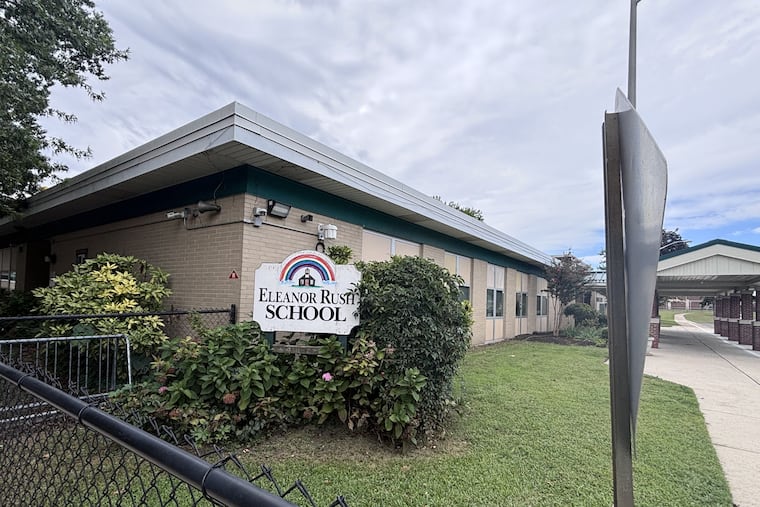
By contrast, a proposed project in Norris Square consists of 30 rowhouses, all of which would go to working-class families committed to the neighborhood. The program provides access to generational wealth to residents who are getting priced out by rent and mortgage increases that far outpace increases from property tax assessments.
It is true, as Councilmember Quetcy Lozada says, that not everyone in the neighborhood can afford these homes. That’s also true of the 97 homes currently listed for sale in the 19122 zip code for more than $280,000. Is holding up 30 homes really the best way to influence the housing market in an area with nearly 10,000 households? The upward pressure on real estate comes from bordering Fishtown, not workforce housing projects.
City Council has also enacted multiple policies to help homeowners cope with rising property tax valuations. The senior tax freeze, the Longtime Owner Occupants Program, and the homestead exemption all provide significant relief.
Efforts to preserve affordability by blocking growth have not served other cities effectively.
Manhattan’s Clinton Special District caps building heights, which reduces the incentive to turn blocks of Hell’s Kitchen low-rises into office towers and high-rise apartments. The neighborhood has median rents of $4,000. San Francisco embraced this strategy citywide, only to see working-class residents replaced by wealthy tech workers. It is certainly true that Philadelphia’s new apartment buildings tend to fill up with college-educated transplants. But refusing to build sufficient homes for people who are coming to the city anyway will only drive these new residents to bid up the prices of our existing housing stock.
Meanwhile, cities like Austin, Texas, that embrace development at all income levels are seeing a reduction in rents.
Taxing tech taxis
If you’re a regular reader of this column, you will appreciate an unlikely occurrence that happened on Monday: I agreed with Councilmember Jeffery “Jay” Young Jr.
At a budget hearing, Young expressed skepticism about tying Mayor Cherelle L. Parker’s proposed ride-share tax to the school district. Even at $1 per ride, the levy is expected to bring in just under $50 million per year. As Young pointed out, that’s a drop in the bucket given the district’s $4.6 billion budget. Young said it would be hard for residents to see any impact from the new tax. He’s right.
It isn’t that I’m opposed to a tax on tech taxis. After all, SEPTA riders saw fares increase by almost a dollar. It would be better policy, however, to tie the new fees to transit funding instead. Especially if done alongside a long-awaited sustainable revenue solution from Harrisburg.
A big reason people use ride-share is because transit can’t get them to their destinations quickly enough, or they don’t feel comfortable riding it. Both problems are most acute late at night and on weekends. A ride-share tax that’s dedicated to transit can be used to increase frequency across all modes, which will help bridge the time tax. It can also be used for additional cleaning and security, although it should be noted that SEPTA just posted its biggest ever drop in serious crime.
Dubious honoree
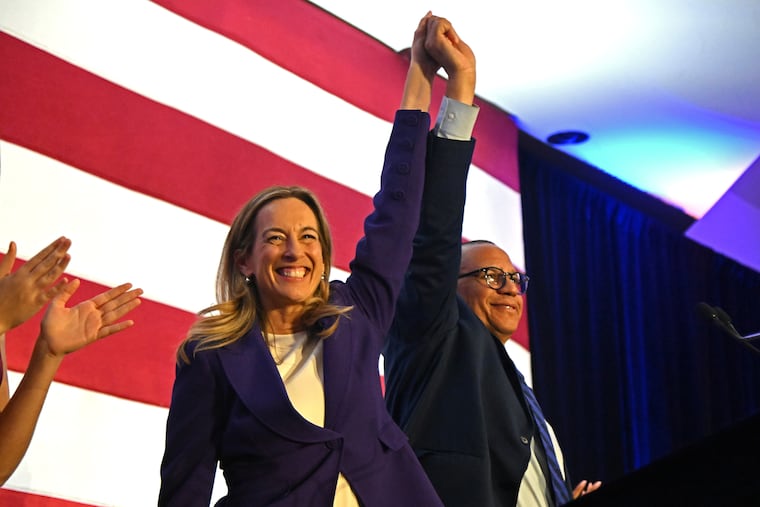
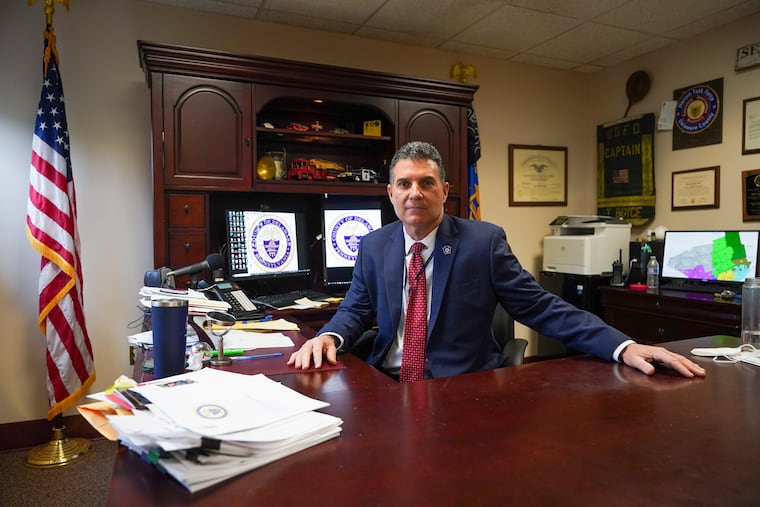
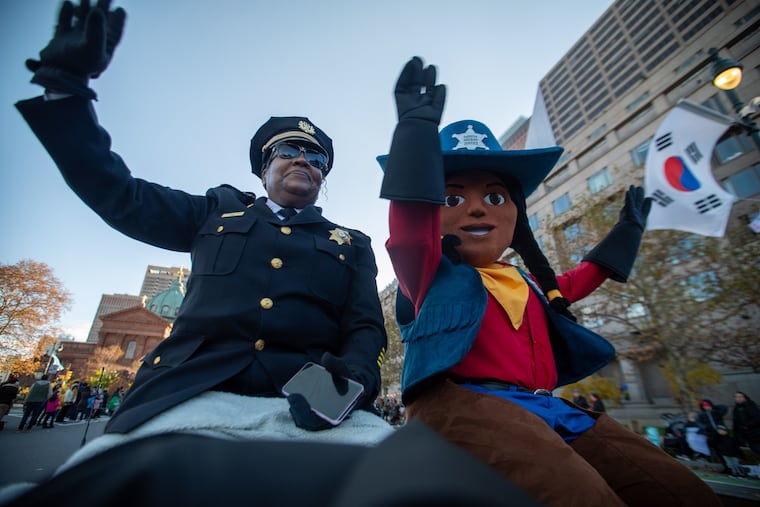
City Council, led by Councilmember Cindy Bass, chose to honor Philadelphia Sheriff Rochelle Bilal on Thursday. The recognition just so happened to occur on the same day The Inquirer published an editorial decrying the continued incompetence at the sheriff’s office under Bilal, which is now being sued over its inability to issue deeds in a timely manner after property auctions.
Bass specifically cited the “intense public scrutiny” Bilal has faced. Apparently, in Council’s topsy-turvy world, writing an accurate news report or editorial merits criticism, while failing to protect domestic violence victims, fumbling basic paperwork, providing inadequate courtroom security, and using taxpayer money for questionable expenses is worthy of praise.
At this point, Philadelphians should take this personally.