Like the 2025 Eagles’ offense, Philly’s 2026 snow response has been underwhelming | Shackamaxon
Plus: The different incentives that drive the mayor and Council, and reforming the city’s “resign to run” provision.
This week’s Shackamaxon covers slow snow removal, political incentives, and whether politicians should be able to hedge their electoral bets.
Snow-go zones
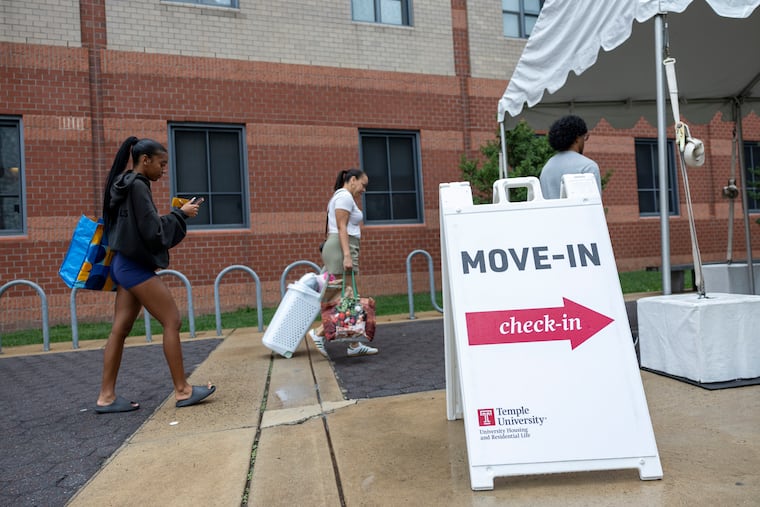
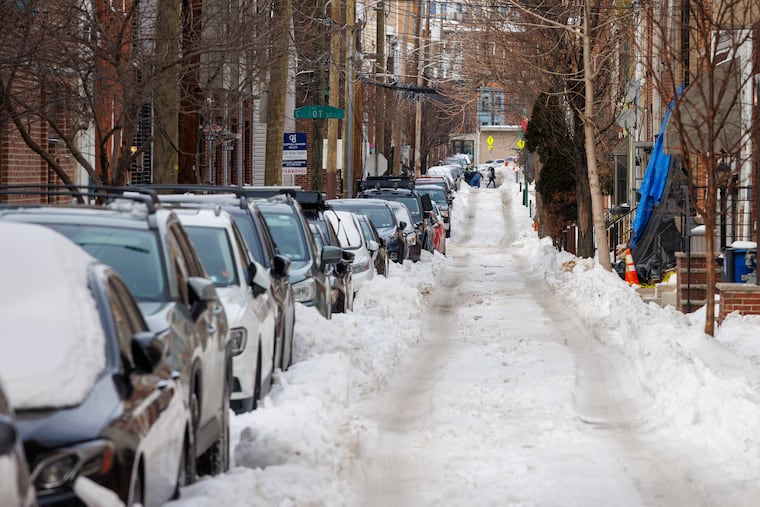
When the news came through that Philadelphia schools would finally be open on Thursday, the Pearson household cheered. Between some brutal stomach bugs, the Christmas holiday break, in-service days, and the snow, it had felt like my older two children had barely spent any time in class since Thanksgiving. While I’m a strong advocate for snow days, I’m less enthusiastic about snow weeks. For many, the failure to open schools for three days crystallized their frustrations with the way the city handled the weekend onslaught of snow, sleet, and ice.
TV news and social media are filled with angry residents. Many small streets remain wholly unplowed. Getting on the bus often requires climbing over ice piles. Many feel Mayor Cherelle L. Parker and her team did not adequately prepare for a weather event that everyone knew was coming. One reader even asked me if Carlton Williams, the city’s director of Clean and Green Initiatives and the point person for plowing, was Parker’s version of overmatched Eagles offensive coordinator Kevin Patullo.
According to contemporary Inquirer reporting, more than 90% of city streets were plowed and passable after a large ice storm in 2016. It is hard to make a direct comparison, but I would be surprised if we were anywhere close. I asked Joe Grace, the mayor’s head of communications, if the city had anyone available to explain any unique challenges this year, but he did not respond.
Of course, Philadelphia is hardly the only city to struggle with this storm. Washington residents are furious with their city’s snow response, schools across the state of Maryland are still closed, and cities in New Jersey are also struggling to remove the snow and ice. The freezing cold temperatures mean the snow piles are sticking around, rather than melting, and the accumulation is both heavy and frozen solid, making shoveling a difficult process.
A matter of incentives
The snowfall, and the attendant consternation, is a good way to explain one of my key beliefs about city government: When the mayor disagrees with City Council, the mayor is often right. This isn’t a statement about any particular mayor or councilmember, but rather the different incentives for each office.
When things go bad in a way that affects everyone, it’s the mayor who gets the blame. While many residents may vent to their district councilmember about the cleanup effort, most understand legislators aren’t in charge of plowing. In the private sector, employers will often talk about “key performance indicators.” For cities, that means things like crime reduction, trash collection, snow removal, and effective schools — which are all under mayoral control.
With a two-term limit and competitive elections for each vacancy, mayors also have more direct accountability. People know who the mayor is, even if they don’t typically vote in local elections. If you are reading this column, you probably know who your district councilmember is, but around half of your neighbors likely don’t.
Meanwhile, the things Council gets blamed for, and thus focuses on, tend to be more picayune. Sometimes, the body makes sweeping policy changes based on the testimony of just a few outspoken residents, who themselves often represent a hard-line and unrepresentative “not in my backyard” attitude. This approach leads to a concentration of benefits and the diffusion of costs.
One former staffer told me councilmembers tend to see themselves as their constituents’ lawyer, rather than agents of systemic change. With challenges rare and vacancies even rarer, members have little incentive to take on new perspectives or alter their approach. Instead, they tend to dance with the ones who brung ‘em. This is particularly acute for members who represent districts, who are a majority of Council.
The one move that tends to refocus a councilmember’s attention is becoming mayor.
Parker herself is a great example of this phenomenon. As a district councilmember, she was tough on new development. As mayor, Parker has become a cheerleader for it. That’s because while individual projects may lead to a surge in complaints, they also help the city pay its bills, employ skilled workers, and house residents. The city’s chief executive, no matter who they are, is always likely to side with policy choices that have widespread public benefit because it is in their interest.
Resign to run reforms
Perhaps lost in the ice removal and “Remove ICE” controversies is an effort from At-Large City Councilmember Isaiah Thomas to reform Philadelphia’s “resign to run” provision. This rule prevents city employees from running for political office without first quitting their day job, including elected officials. Thomas told me he’d like to see the proposed charter change put to the voters this year, perhaps as early as the May primary.
In the past, efforts to change or eliminate the provision have failed, in part because of an understandable resentment of politicians getting to run for higher office on the public dime. Still, just like debates between mayors and councilmembers, it is worth looking at what kind of behavior this rule incentivizes.
While the current crop of councilmembers is quite new, that hasn’t always been the case. Growing up, the joke was that people only left Council for three reasons: they retired, they went to jail, or they ran for mayor. The last member of Council to earn a political promotion outside of City Hall was Lucien Blackwell, who won a special election to replace Bill Gray in Congress all the way back in 1991.
Both of Philadelphia’s current U.S. representatives benefited from holding elected office in Harrisburg, where this provision doesn’t exist. Could Brendan Boyle, famously the son of a janitor, have run for Congress if he had to resign his seat in the state House to run? Probably not.