Trump concessions to Putin in Alaska would invite wider war
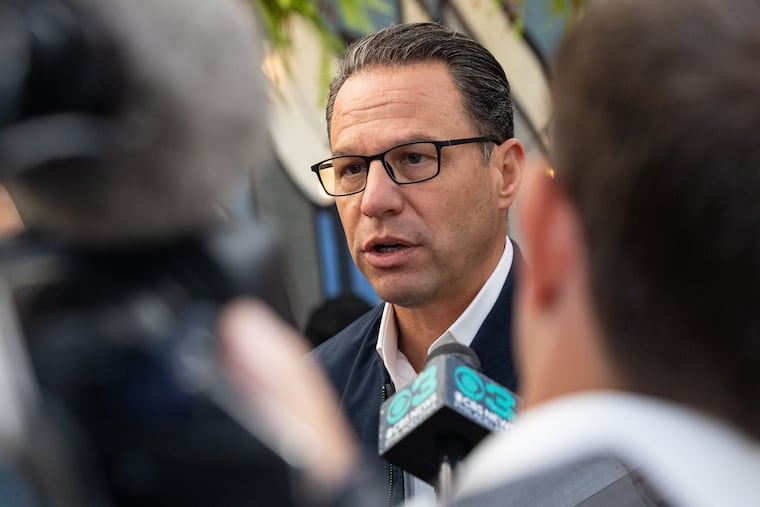
Lithuania’s Minister of National Defense, Dovilė Šakalienė, is blunt in her assessment of the threat Russia represents to the West and the perils of Trump's meeting with Putin.
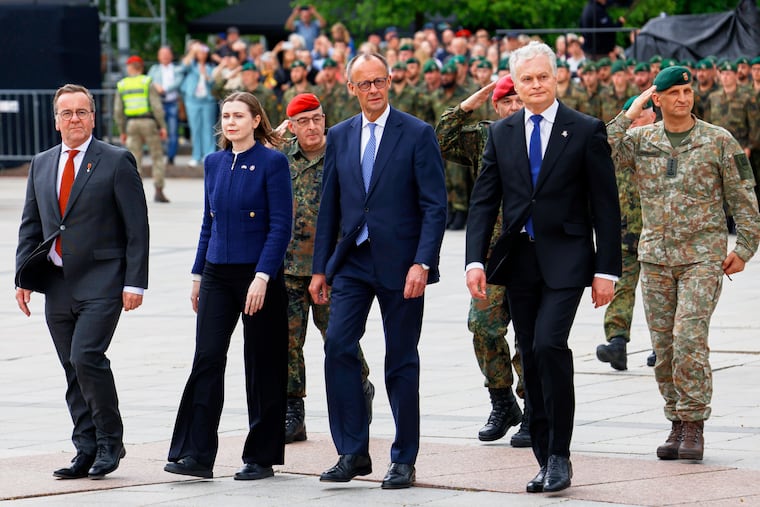
Europeans understand the aggressive mindset of Vladimir Putin in a way President Donald Trump does not. After all, many of their nations experienced brutal Soviet occupation during the Cold War.
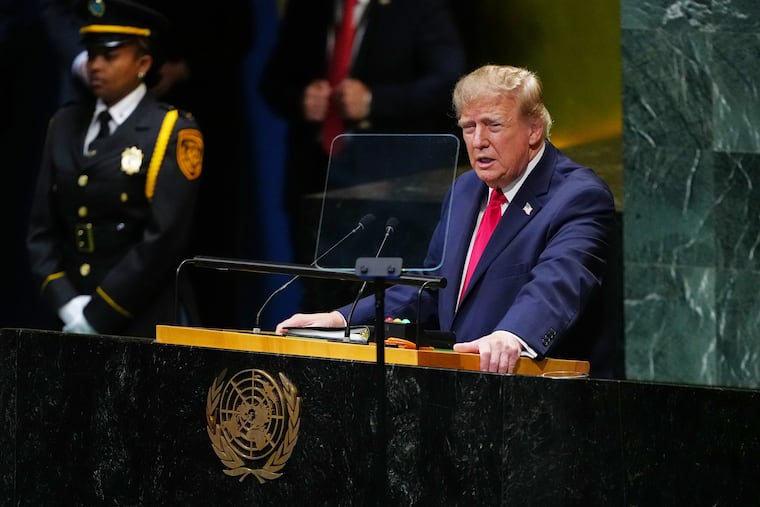
So one can only hope the Wednesday call between Trump, Ukrainian President Volodymyr Zelensky, and European leaders — all of whom are excluded from Trump’s Alaska summit on Friday with Putin — made an impact. And that Trump will not be bamboozled by Putin’s flattery and lies to make unrequited concessions over Ukraine’s head.
European leaders believe this summit, if handled badly, could have historic consequences extending far beyond Ukraine, and boost the chances of a much wider war in the future. A war on several fronts, involving not just Europe and Russia but also China, the United States, and America’s Indo-Pacific allies.
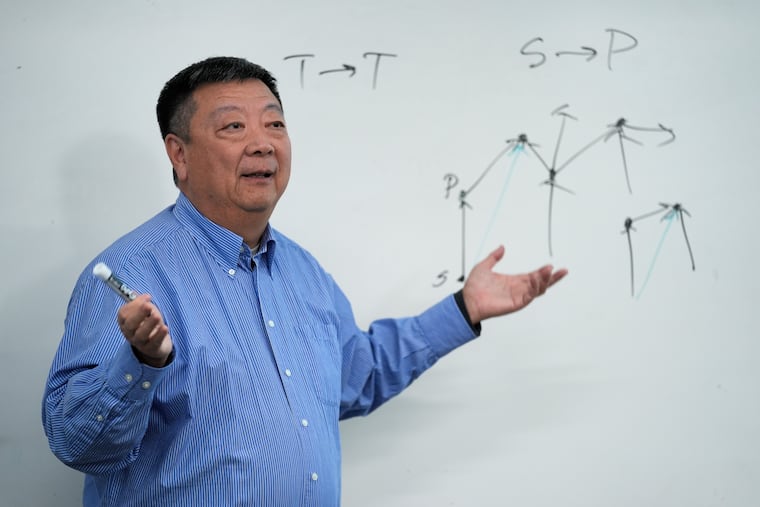
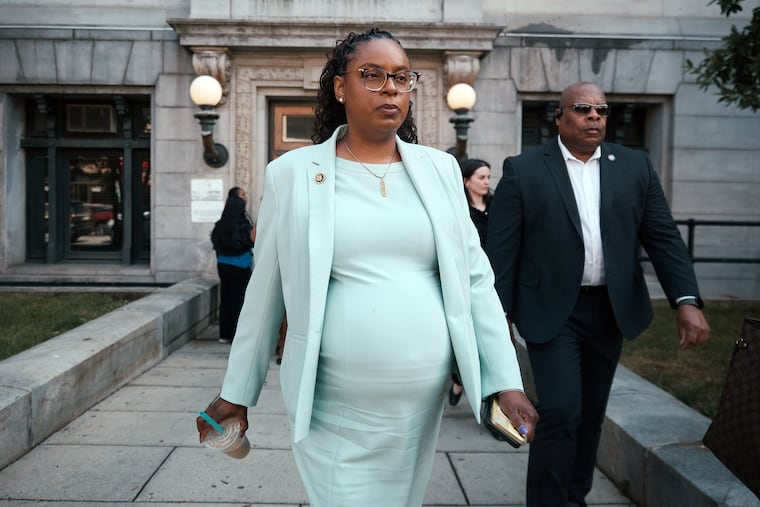
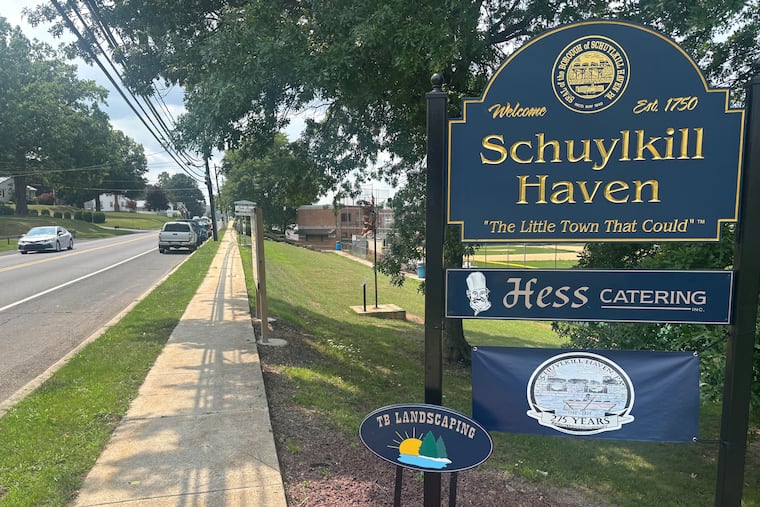
For a fuller picture, I turned to Lithuania’s minister of national defense, Dovilė Šakalienė, one of a handful of brilliant young female leaders from the Baltics. She was in Pennsylvania visiting the Pennsylvania National Guard, which takes part in a partnership program with Lithuania that involves collaboration on cyber defense and development of UAVs (unmanned aerial vehicles, or drones) and anti-UAV systems.
The partnership also involves exchanges and joint exercises, for which Vilnius has just built new barracks for visiting guard forces.
Šakalienė was blunt. This is a “high-stakes” summit, she said, “not only for Ukraine, Europe, and the United States, but for the world. The White House wants peace but conceding to Russia has never brought peace. Concessions to Putin would be a full guarantor of war.”
She added, emphatically: “Putin does not want peace. Centuries of experience with Russia have taught us that Russia follows a path of annihilation of its neighbors instead of resolving its own problems.
“We see how occupied territories are treated. When the Soviets occupied my country, 20% of families were either imprisoned, murdered, or sent to Siberia.”
I’d add that U.S. proposals to legally concede Crimea and eastern Ukraine to Putin, or hand him land he doesn’t yet control, ignore the brutal way Moscow has treated Ukrainians in territories it has seized.
I’ve spoken extensively with escapees from occupied Ukraine, who fled a Russian ban on public use of the Ukrainian language, imprisonment of teachers and priests, torture of dissidents, forced recruitment of youths to fight fellow Ukrainians — and the murder of tens of thousands of civilians.
So when Trump talks about occupied Ukrainian land on the Azov or Black Seas as “valuable sea property,” Europeans know occupation isn’t about real estate but about brutal repression of Ukrainian citizens.
Moreover, Russia presents a long-term military threat to NATO, as Šakalienė explained.
“Russia’s war against Ukraine is a critical moment in history,” she said. “Russia has the capabilities and willingness to wage war against us. The only thing that is missing is the momentum.”
Putin has built up Russia’s military spending to the point where the whole Russian economy is based on war. “Moscow’s defense spending for 2024 has been increased by 25%,” Šakalienė noted, which constitutes 32% of the total federal budget, the highest since the Cold War.
“Russia is constantly testing our deterrence and resilience through increasingly bold and destabilizing activities,” she added, citing large-scale exercises on European borders, GPS jamming, sabotage of crucial underwater cables in the Baltic Sea, and cyberattacks. (Not to mention assassination attempts on European soil.)
It’s important to note that Putin constantly talks about reconstituting the Russian empire. His imperial appetite extends to all or parts of several NATO countries that were once under Soviet or Russian control, or contain Russian speakers.
This has forced the alliance to approve defense plans for its entire eastern flank, based on the assumption that every inch of NATO territory will be defended against Russian attack, and assuming (nervously) that the United States would support this effort.
The at-risk territory includes a strip of land running along Lithuania’s border with Poland, known as the Suwalki corridor, which, if seized, would entirely cut the Baltic states off from the rest of NATO. Many analysts believe that corridor might be the first new land grab Putin would attempt if Ukraine fell, to prove that NATO was toothless.
If there were no substantive response, he could move on other European targets.
“The outcome of Russian aggression in Ukraine — and the U.S. position regarding Putin — will either have a deterrent effect or a motivational effect on whether Putin moves against NATO,” the minister said.
But what she said next should be a wake-up call to all Americans, whether or not the U.S. president grasps the threat.
“Europe and the Indo-Pacific are connected in a negative way,” she said. A Putin triumph in Ukraine could speed up a Chinese decision to attack Taiwan, drawing the U.S. into direct conflict with Beijing. In that case, as NATO Secretary General Mark Rutte also argues, China would likely ask its junior partner, Russia, to open another front in Europe to distract the West.
Australia, Singapore, South Korea, and Japan also fear such a multifront conflict could break out.
“The more fronts that are open, the more toxic the combination of hybrid and conventional warfare mixed by Xi Jinping and Putin, the more challenging it will be for us,” Šakalienė said — especially since the new defense structures Europe and NATO are building will take several years to solidify.
No matter its isolationist bent, the United States would inevitably be involved.
“The outcome between Putin and Ukraine will be one of the most critical factors that will determine whether this confrontation comes sooner or later,” the minister warned.
By Friday night, we will have a flashing signal of whether Putin — and Xi — have been encouraged or deterred.