Maternal mortality: A problem with solutions
Rates of maternal mortality are too high in the U.S. and too high in Philadelphia. There are solutions to this problem.
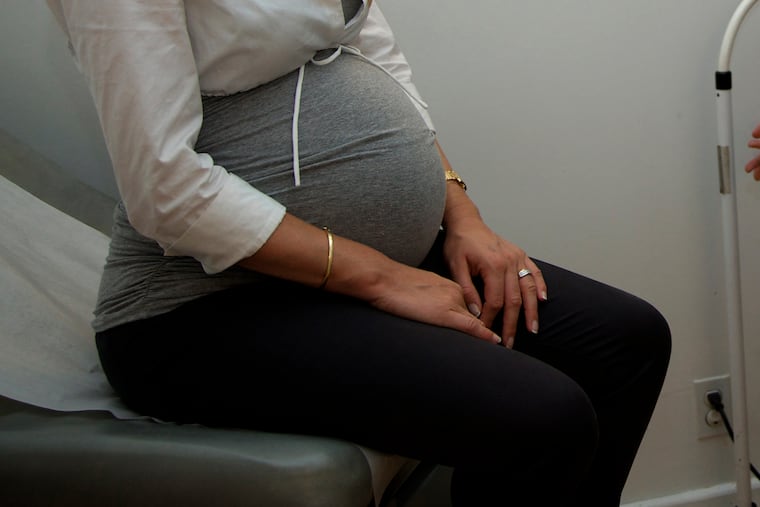
Rates of maternal mortality (deaths within one year of the end of a pregnancy) are too high in the United States and too high in Philadelphia. There are solutions to this problem.
That is the conclusion of an investigative report issued last month by the Philadelphia Department of Public Health. A team of 45 professionals looked at the 55 maternal deaths in the city in 2010, 2011, and 2012 and documented the need to fix the “shortfalls or gaps in our health systems, social service systems, and community resources,” offering a set of specific recommendations. Let’s commend the city Medical Examiner's Office for leading this thorough research. And let’s acknowledge how far we have come as a nation from the time in which preventable medical errors, self-induced and criminal abortions, and a lack of prenatal care were the factors largely responsible for maternal deaths.
There are few surprises in the Philadelphia report. Maternal mortality is marked by disparities and is correlated with poverty, poor physical health, and behavioral health problems including substance abuse and exposure to intimate partner violence. The interventions recommended by the committee therefore turn on increasing access to needed services, including home-based care that is coordinated with medical and social services, connecting health institutions' electronic medical records system so that clinical records and laboratory test results can be shared by all potential providers, training of emergency responders, provision of long-acting reversible contraception and access to postpartum tubal-ligations, support for women exposed to intimate partner violence, and treatment for mental health problems and substance abuse. The report contains recommendations for changes to state laws that will make surveillance of the problem easier and more likely to yield information that can be translated into successful interventions.
The health department report is a pragmatic document focused on steps that can be taken now. It doesn’t call for greater income support so that no Philadelphian lives in poverty, for example, nor does it call for massive increases in spending, only asking for what is needed now and for more cooperative efforts among different kinds of service providers. Barriers to treatment for prenatal and postpartum drug and alcohol abuse also need to be addressed, even as coverage for this service expanded with implementation of the Affordable Care Act.
"Maternal Mortality in Philadelphia, 2010-2012," challenges the city, state, and health-care providers to take small steps that will yield results. Boiled down to its essence, the report wants the state and city to make the gathering of information effective and ongoing, and to make changes in the laws that will enable this to happen. It asks that an effort be made to provide coordinated services through the sharing of patient information. And it asks that professionals providing care work together to develop interventions that unite medical, social, and behavioral health services. This report is a template not just for Philadelphia, but for the nation. At present, the United States is 33rd in maternal mortality out of 179 countries surveyed – and it has the highest death rate in the developed world.
Can't we do better?
Read more about The Public's Health.